



1930s French Glass Plate
These 1930s French glass plate pieces bring Art Deco elegance and luminous opalescent textures straight to your dining table or display cabinet.
1930s French Glass Plate
When you search for a 1930s french glass plate, you encounter sophisticated tableware and decorative chargers from the height of the Art Deco period. These items include shallow bowls, coupe ouvertes, and decorative dishes shaped by master designers working in France during the interwar years.
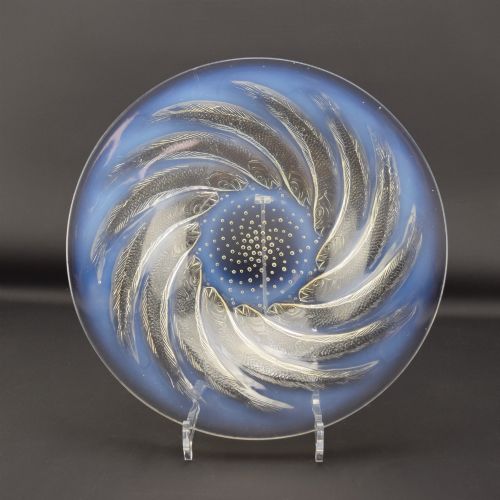
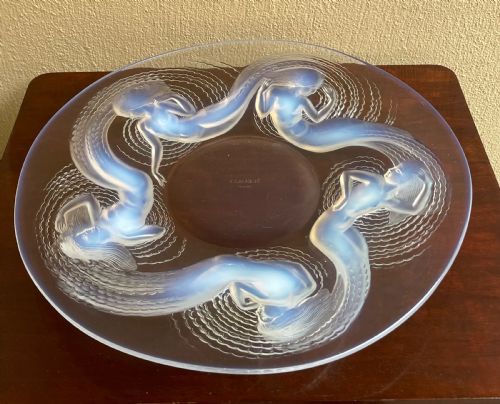
The pieces you meet most often on this page take the form of opalescent glass plates and chargers featuring moulded floral or aquatic motifs. Makers utilised distinct techniques to produce translucent surfaces that catch the light from every angle.
How they were made
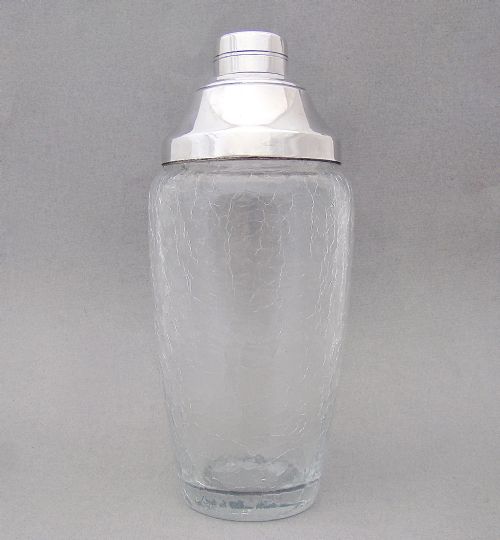
The primary material is glass, frequently worked into opalescent finishes that shift between milky white and pale blue tones depending on the light. Certain pieces combine this moulded glass with silver plate mounts to create contrasting textures.
Moulders employed pressed and cast techniques to achieve high relief patterns such as fish, feathers, and stylised flowers across the surface of each plate and bowl.
The listings show pieces exclusively from the 1930 period, featuring opalescent glass, crackle glass, and silver plate.
What varies in quality
Quality depends upon the crispness of the moulded relief and the depth of the opalescent fire within the glass. Superior examples display sharply defined details in motifs like fish scales or botanical petals without surface blurring.
The presence of signature marks and the integration of secondary materials such as silver plate further distinguish the finer pieces from standard production runs.
Rene Lalique·Sabino
The 1930s French Glass Plate Glossary
- Opalescent glass
- Glass that displays a milky, semi-translucent appearance with bluish or pearlescent highlights when lit from the front. This effect is achieved through the addition of specific chemical agents during the melting process.
- Coupe ouverte
- An open bowl or deep plate form common in French tableware of the period. These pieces often feature wide rims decorated with moulded motifs.
- Charger
- A large decorative plate placed beneath other dinnerware or displayed on its own. In this period, they served primarily as ornamental centerpieces.
- Silver plate
- A thin layer of silver applied to a base metal foundation, seen on cocktail shakers and mounts. It provides the lustre of solid silver alongside structural rigidity.
1930s French Glass Plate: Frequently Asked Questions
What defines a 1930s French glass plate?
These items are decorative and serving plates produced in France during the Art Deco era, characterised by moulded glass and opalescent finishes.
They showcase the distinct aesthetic of the interwar period, combining functional tableware design with sculptural relief work.
How were these plates used originally?
Owners utilised them as serving dishes, decorative chargers, or centrepieces for formal dining tables.
Larger bowls and plates often held fruit or functioned purely as display objects in contemporary interiors.
How do I care for opalescent glass?
Wash these pieces gently by hand using lukewarm water and mild soap, avoiding harsh scrubbing brushes or abrasive cleaners.
Store them securely on flat surfaces away from direct edges to protect the delicate moulded rims and glass bodies.
Are all these plates signed?
Many examples bear moulded or engraved signatures from the respective glassworks or master designers on the underside.
Unsigned pieces still reflect the period styles and manufacturing techniques characteristic of French workshops from the era.