


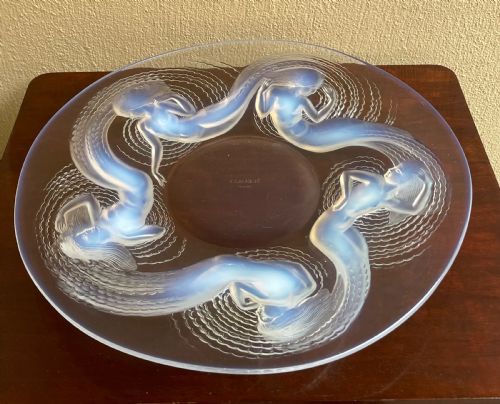


Rene Lalique Opalescent Bowl
These pieces capture the milky, light-catching magic of a rene lalique opalescent bowl, prized by collectors for their sculptural glass forms.
Rene Lalique Opalescent Bowl
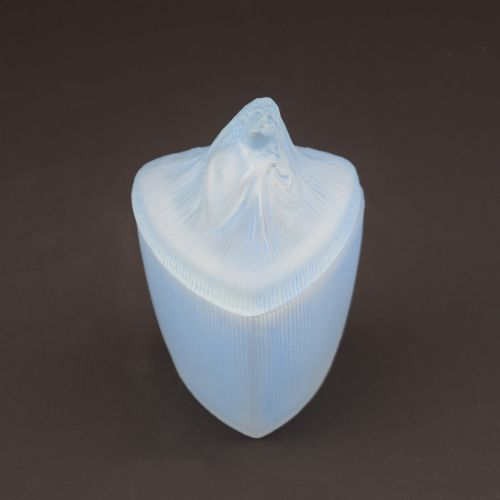
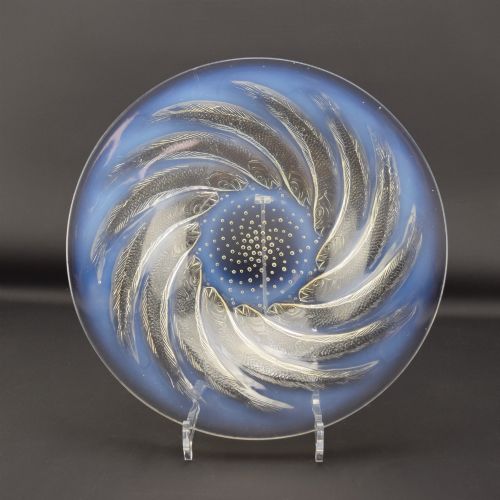
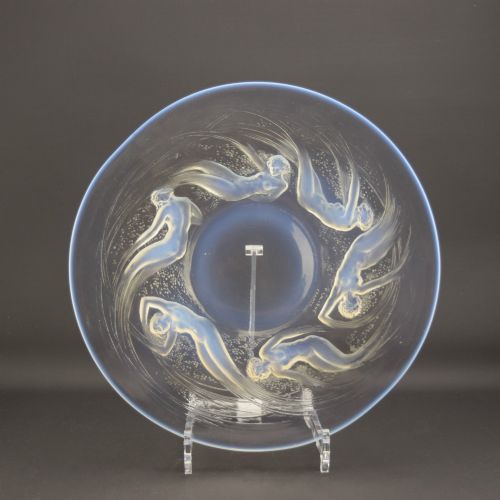
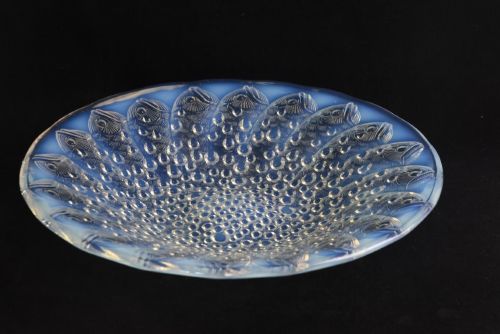
When searching for a rene lalique opalescent bowl, buyers encounter decorative dishes, shallow bowls, chargers, and powder boxes spanning periods from the Edwardian era through the nineteen-twenties and nineteen-thirties. The selection includes named motifs such as Poissons, Ondines, and Coquilles, reflecting both Art Nouveau and Art Deco movements.
The version most commonly met on this page is the open glass bowl or coupe ouverte, often featuring moulded floral or aquatic designs. These vessels range from intimate small dishes to large chargers, showcasing the transition of styles across early twentieth-century glassmaking.
How they were made
The pieces on this page utilise opalescent glass, frosted glass, and moulded glass, shaped through pressing techniques that allowed intricate relief patterns to emerge. Artisans manipulated the chemical composition of the glass to create the characteristic milky blue and amber optical effects.
Selected examples incorporate coloured staining in the recessed details, such as green or blue and black, to emphasise the depth of the moulded motifs. This combination of frost, clarity, and colour highlights the sculptural qualities inherent in the material.
Listings feature opalescent glass, frosted glass, and moulded glass across Art Deco and Art Nouveau styles.
What varies in quality
Quality rests in the crispness of the moulded relief and the intensity of the opalescence within the glass. Superior examples display a vibrant play of light, shifting between milky white and warm amber or blue depending on the angle of illumination.
The depth of the relief and the successful application of any coloured staining further distinguish finer pieces from standard production. Artisanal precision in finishing the surface defines the distinction across the range.
Rene Lalique
The Rene Lalique Opalescent Bowl Glossary
- Opalescent glass
- Glass that exhibits a milky, bluish appearance when viewed by transmitted light and a warm yellowish or orange appearance when viewed by reflected light. This optical property creates the signature glow seen in these vessels.
- Coupe ouverte
- An open bowl shape frequently utilised for decorative glass tableware and display pieces. The open form allows moulded motifs along the interior to remain fully visible.
- Moulded glass
- Glass shaped by being pressed into a metal or wooden mould while hot. This technique permits the consistent reproduction of complex relief designs such as fish and flora.
- Frosted glass
- Glass rendered translucent rather than transparent through acid-etching or sandblasting. This texture diffuses light and accentuates the contours of the moulded decoration.
Rene Lalique Opalescent Bowl: Frequently Asked Questions
How do I identify a genuine period piece?
Examine the weight, the crispness of the moulded relief, and the quality of the opalescence within the glass. Period examples show specific characteristics tied to manufacturing methods of the early twentieth century.
Look closely at the surface finish and any coloured staining within the recessed areas. Comparing known motifs helps establish the authenticity of the design.
Were these bowls used for food or display?
Most of these vessels function primarily as decorative bowls, chargers, or centrepieces rather than everyday tableware. Their delicate moulded surfaces and opalescent qualities make them suited for visual display.
Certain smaller examples, such as powder boxes and confituriers, served functional roles on dressing tables and in domestic interiors during the period.
What is the difference between Art Nouveau and Art Deco styles here?
Art Nouveau examples tend to feature organic, flowing motifs inspired by nature, including flowers, foliage, and sinuous lines. These designs often date from the Edwardian years and the earliest decades of production.
Art Deco pieces embrace more stylised, geometric representations of flora, fauna, and aquatic themes. The lines become more ordered while retaining the tactile relief characteristic of the glass.
How should I display opalescent glass at home?
Position these pieces where natural light can pass through the glass to activate the opalescent effect. Placing them near a window or under dedicated display lighting reveals the shift between milky white and warm tones.
Ensure stable surfaces away from heavy traffic areas to protect the edges of shallow bowls and chargers. Gentle placement allows the interplay of frosted and clear sections to stand out.