


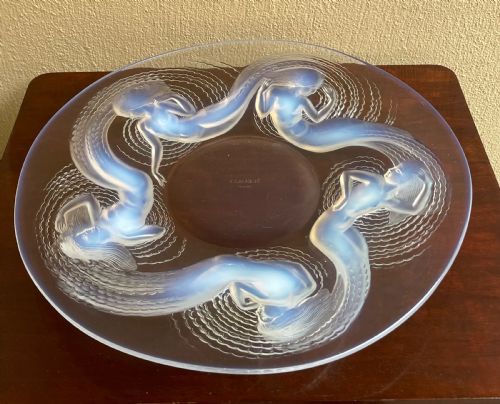


Blue Glass Centrepiece Bowl
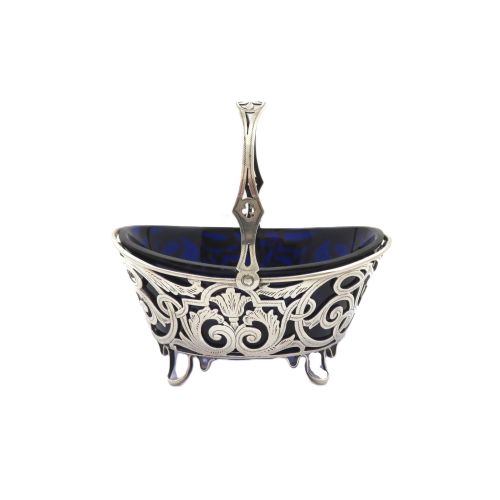
A blue glass centrepiece bowl anchors a dining table or sideboard with depth and colour, drawing the eye across eras from Victorian silver-mounted glass to Art Deco opalescence.
Blue Glass Centrepiece Bowl
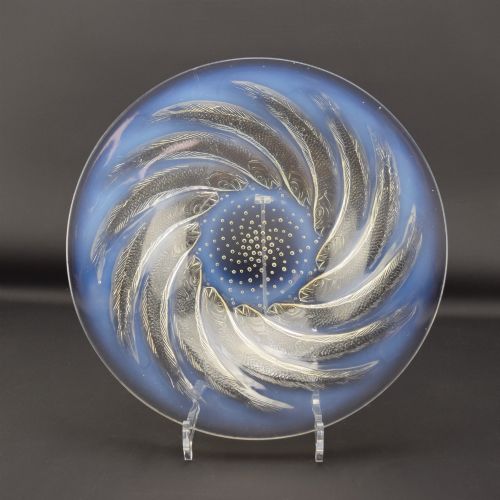
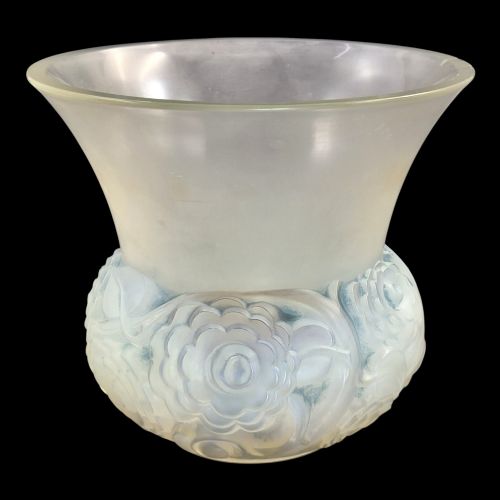
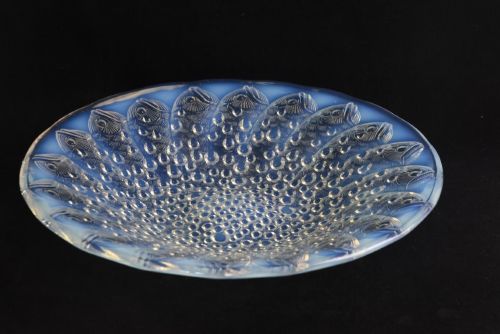
A blue glass centrepiece bowl brings together decorative presence and functional serving forms, appearing frequently across this selection in Victorian, Edwardian, and Art Deco iterations. Buyers seeking these items encounter heavy opalescent vessels, deep cobalt table ornaments, and wide chargers designed to dominate a surface.
The objects span shallow open bowls, footed comports, and mounted baskets, incorporating materials such as lead crystal and moulded glass alongside sterling silver and gilt metal. Pieces range from nineteenth-century Bohemian cobalt designs to twentieth-century production from continental and British makers.
Materials and construction methods
Production relies on glassblowing and moulding techniques, shaping cobalt, crystal, and opalescent materials while molten. Artisans introduced chemical compounds to achieve deep blues and milky opalescence, often finishing surfaces through wheel-cutting, acid-etching, or enamelling.
Many bowls integrate metalwork, utilising sterling silver, German silver, or gilt metal mounts, baskets, and rims fitted securely around the glass body.
Listings feature opalescent glass, cobalt glass, and lead crystal alongside sterling silver and enamel components.
Distinguishing quality across the range
Quality rests in the crispness of the glass moulding and the depth of the opalescence or cobalt saturation. Superior examples display sharp relief in moulded floral or figural motifs and careful finishing without surface distortion.
The integration of metal components defines the tier of a piece, where heavy gauge sterling silver mounts or intricate silverwork elevate the execution of the vessel.
Rene Lalique·Val St Lambert·Jobling·Loetz
The Blue Glass Centrepiece Bowl Glossary
- Opalescent glass
- Glass that exhibits a milky, translucent quality with iridescent or blue highlights when struck by light. This effect changes tone depending on the viewing angle.
- Cobalt glass
- Deep blue glass coloured by the addition of cobalt oxide during the melting process. It provides a rich, saturated colour across Victorian and later vessels.
- Comport
- A raised dish or bowl on a foot, used historically for serving fruit or sweets on a dining table. They frequently incorporate figural or decorative glass stems.
- Coupe ouverte
- An open bowl form frequently utilised in twentieth-century French glass production. These pieces often feature extensive surface relief or moulded decoration.
Blue Glass Centrepiece Bowl: Frequently Asked Questions
How were blue glass centrepiece bowls used?
These vessels served as ornamental centrepieces on dining tables and sideboards, holding fruit, flowers, or sweetmeats during formal meals.
Their substantial size and strong colour allowed them to function as standalone decorative art objects when empty.
How do I care for antique glass bowls?
Wash the glass by hand in lukewarm water using mild detergent, avoiding harsh abrasives that can scratch the surface or damage opalescent finishes.
Keep silver mounts polished with a soft cloth while preventing cleaning agents from contacting the glass directly.
How can I tell Victorian pieces from Art Deco examples?
Victorian items often feature deep cobalt hues combined with heavy silver mounts, gilt metal, or elaborate Victorian ornamentation.
Art Deco pieces lean towards opalescent glass, stylised floral motifs, and geometric moulded forms characteristic of the interwar period.
What is opalescent glass?
Opalescent glass is a type of semi-translucent glass that diffuses light to create milky blue or pearlescent highlights.
The effect is achieved by adding specific minerals to the batch and reheating the glass during the moulding process.