


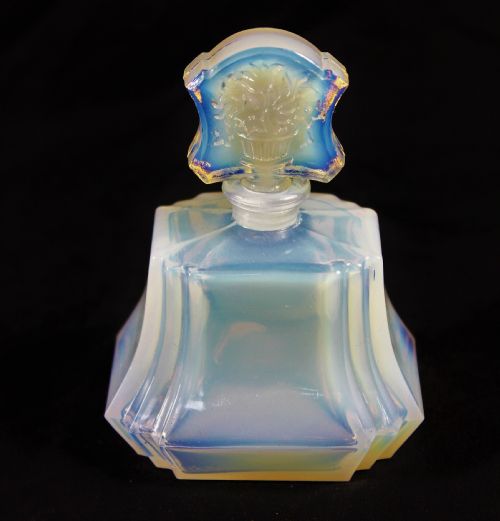


Moulded Glass Perfume Bottle
These moulded glass perfume bottle examples combine Art Deco design with tactile relief, offering collectors tactile beauty from the early twentieth century.
Moulded Glass Perfume Bottle
A moulded glass perfume bottle brings together decorative relief and utilitarian design from the Art Deco era. When you search for moulded glass perfume bottle, you encounter dressing table accessories dating predominantly from the 1920s and 1930s.
The pieces appearing on this page take the form of scent bottles and perfume atomisers. French makers dominate the selection, producing works that function as both containers and sculptural objects.
The most prevalent style across these listings is Art Deco, frequently employing symmetrical or stylised natural motifs. These objects reflect the commercial fragrance boom of the interwar period when presentation matched the exclusivity of the scent inside.
How they were made
Makers utilised glass pressing techniques to force molten material into metal moulds, capturing sharp relief across the surface. This method allowed workshops to produce complex three-dimensional designs consistently.
Makers incorporated clear glass, frosted surfaces, and opalescent qualities into individual vessels. Certain examples received additional treatment such as enamel or coloured staining to emphasise the moulded details.
Moulded Glass Perfume Bottle Retail Price Guide 2026
Typical asking prices for moulded glass perfume bottle among the pieces listed under this phrase on Sellingantiques today, from the lower quarter to the upper quarter. They describe what is for sale here now, not the wider market.
Butterflies and flora are trapped forever in the glass.
What varies in quality
The definition of the moulded relief distinguishes superior examples from simpler production pieces. Crisp lines and precise detailing indicate careful handling during the pressing and cooling stages.
The inclusion of original colouration, such as enamel highlights or staining within the recessed areas, elevates an individual piece. Surface finishes like opalescence vary in intensity and depth across different examples.
Rene Lalique·Sabino
The Moulded Glass Perfume Bottle Glossary
- Moulded glass
- Glass formed by pressing molten material into a metal or wooden matrix to create surface relief. This technique defined interwar decorative arts.
- Opalescent glass
- Glass containing agents that create a milky, translucent appearance with blue or amber highlights under light. It was widely utilised by French makers.
- Frosted glass
- Glass treated to achieve a matte, non-reflective finish across the exterior. This texture accentuates the contrast with polished details.
- Atomiser
- A perfume bottle fitted with a spray mechanism rather than a standard stopper. These pieces combined glass bodies with metal hardware.
- Staining
- Colour applied to the recesses of a moulded design to create contrast and depth. Red and dark pigments were common.
Moulded Glass Perfume Bottle: Frequently Asked Questions
How do I identify periods?
Examine the stylistic markers and manufacturing techniques characteristic of the interwar decades. The prevalence of geometric or stylised natural motifs typically points to the interwar years.
Makers active during this period employed specific glass formulations and finishing methods. Signatures or moulded marks on the base provide further chronological context.
Were these used daily?
These vessels served as dressing table accessories for holding daily fragrances. Owners displayed them prominently on vanity trays alongside matching cosmetic items.
Many contained commercial perfumes purchased directly from Parisian houses. The decorative stoppers helped reduce evaporation of the contents.
How should I clean them?
Use a soft, dry cloth to remove surface dust from the exterior relief. Avoid harsh chemical cleaners that might damage delicate frosted areas or historical staining.
Keep moisture away from any paper labels or metal atomiser components. Professional conservation methods suit pieces with fragile coloured staining.
What defines Art Deco style?
Art Deco design relies on symmetry, stylised flora, and geometric precision. These aesthetics replaced the flowing curves of earlier decorative movements.
Perfume bottles from this movement integrated the shape of the stopper with the body of the vessel. Relief decoration enhanced the sculptural quality of the glass.