
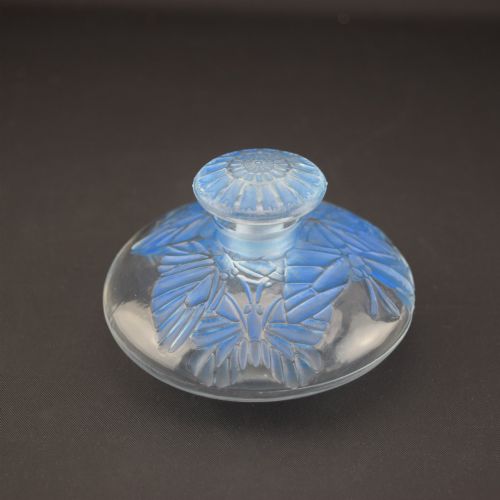


Antique Lalique Scent Bottle
An antique lalique scent bottle brings unmistakable French glassmaking artistry into your collection through moulded frosted details and striking period forms.
Antique Lalique Scent Bottle
An antique lalique scent bottle represents the pinnacle of early twentieth century glass design, combining sculptural stoppers with functional vessels. When you search for an antique lalique scent bottle, you encounter works spanning the Art Nouveau and Art Deco movements, created in forms such as perfume bottles, atomisers, and traditional scent bottles. These pieces capture the elegance of the nineteen tens, twenties, and thirties through sophisticated glass manipulation.
How they were made
Glassmakers utilised pressing and moulding techniques to shape the molten material into complex figurative and geometric designs. The inclusion of frosted glass, clear glass, opalescent glass, and patinated glass allowed artisans to create high contrast between relief details and recessed backgrounds. Certain examples incorporate enamel or coloured staining to highlight the intricate motifs pressed into the body and stopper.
The production process relied on specialised metal or paper elements to complete the presentation of the perfume bottles. Enamel work and red staining appear on specific models to accentuate the fine lines of botanical and animal motifs. Stoppers were individually matched to their corresponding vessels, ensuring a tight fit alongside the sculptural exterior.
Listings feature items spanning the nineteen tens, twenties, and thirties, utilising frosted glass, clear glass, opalescent glass, and patinated glass.
What varies in quality
Quality in these glass objects rests on the crispness of the moulded relief and the preservation of original patination or staining. Pieces featuring delicate frosted surfaces against clear or opalescent backgrounds demand exceptional technical precision during the pressing process. The integration of the stopper with the main body dictates the overall coherence of the design.
The survival of auxiliary components, such as original boxes, paper elements, or atomiser hardware, elevates the historical completeness of the vessel. The depth of the patinated glass and the sharpness of named motifs distinguish standard production from exceptional examples of French glass artistry.
Rene Lalique·René Lalique
The Antique Lalique Scent Bottle Glossary
- Frosted glass
- Glass treated to achieve a matte, non-translucent surface texture. This finish is frequently utilised to create contrast against clear or coloured sections in moulded designs.
- Opalescent glass
- Glass that displays a milky, iridescent quality with shifting tones of blue and orange under changing light. It adds visual depth to sculptural bottle reliefs.
- Patinated glass
- Glass enhanced with surface coloration or staining applied to recessed areas. This technique emphasises fine details such as foliage, insects, and geometric patterns.
- Moulded glass
- Glass formed by pressing molten material into a metal or wooden matrix to achieve intricate relief patterns. It allows for the repetition of complex sculptural forms.
- Art Deco
- The dominant design style of the nineteen twenties and thirties characterised by streamlined geometric shapes and stylized motifs. It succeeds the organic curves of the preceding movement.
Antique Lalique Scent Bottle: Frequently Asked Questions
How do I identify periods?
Period identification relies on stylistic shifts between organic Art Nouveau curves and geometric Art Deco forms. The materials, such as opalescent glass and patinated glass, align closely with French manufacturing dates from the early twentieth century.
Examining the specific name associated with the vessel helps narrow down the production era to the nineteen tens, twenties, or thirties. Documentation and known design catalogues provide further context for dating individual examples.
What were they used for?
These vessels served as luxury containers for high end French perfumes during the early twentieth century. They sat upon dressing tables as decorative objects while securely holding scented liquids.
Some examples functioned as atomisers with specialised spray mechanisms, while others relied on fitted glass stoppers. Their dual role combined utilitarian perfume storage with miniature sculptural art.
How do I display them?
Displaying these glass objects requires stable shelving with adequate lighting to highlight the frosted and opalescent qualities. Natural light from the side accentuates the moulded relief and surface patination without exposing the material to extreme heat.
Keeping the bottles away from heavy traffic areas protects delicate stoppers and protruding glass elements. Grouping pieces by period or motif creates a cohesive visual presentation.
What materials are used?
The primary material is glass, manipulated through pressing and moulding into clear, frosted, opalescent, or patinated variations. Secondary components include paper labels, enamel work, and metal atomiser hardware.
Selected examples incorporate coloured staining to contrast against the neutral glass body. Each material contributes to the tactile and visual complexity of the finished scent bottle.