



Art Deco Lady Figure
An art deco lady figure captures the sleek geometry and kinetic energy of the interwar period.
Art Deco Lady Figure
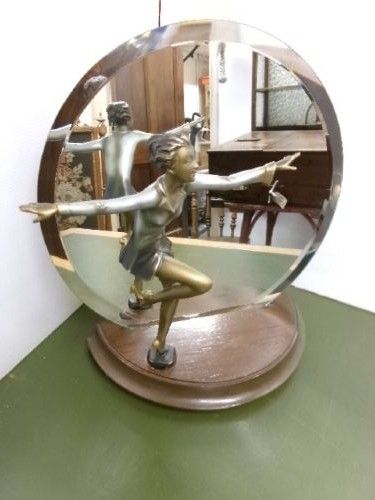
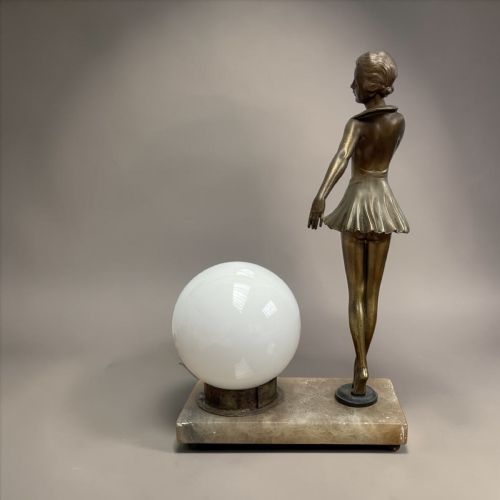
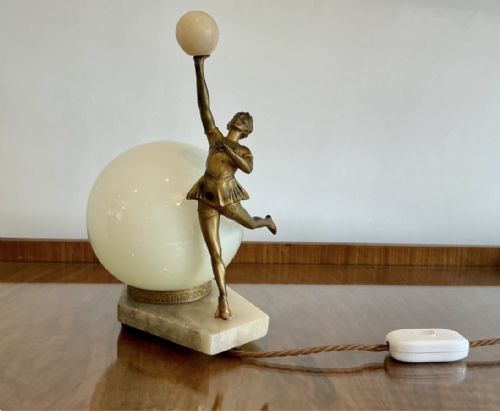
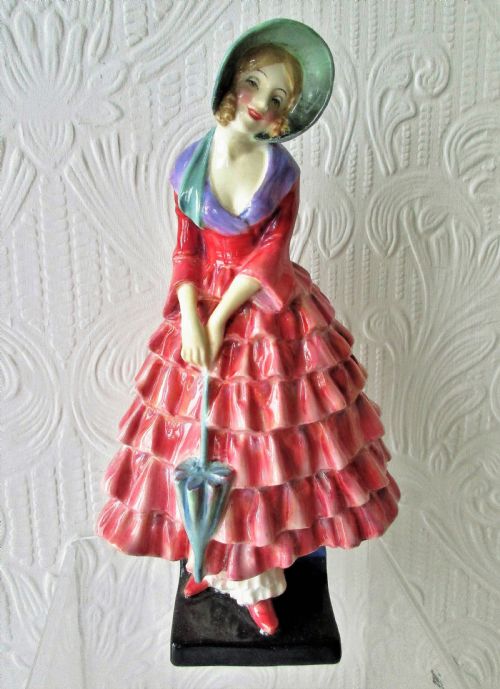
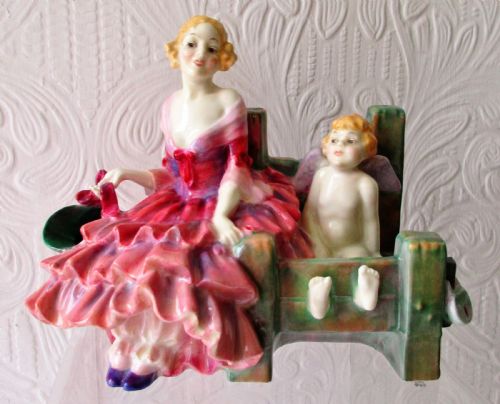
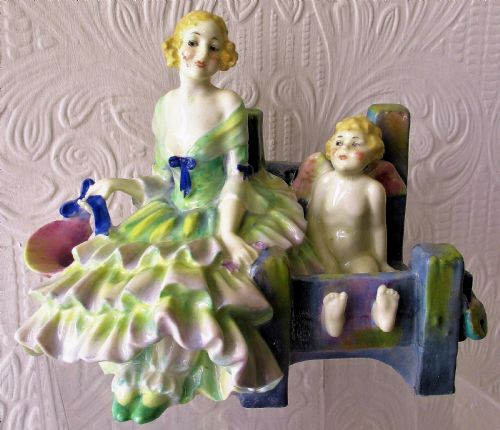
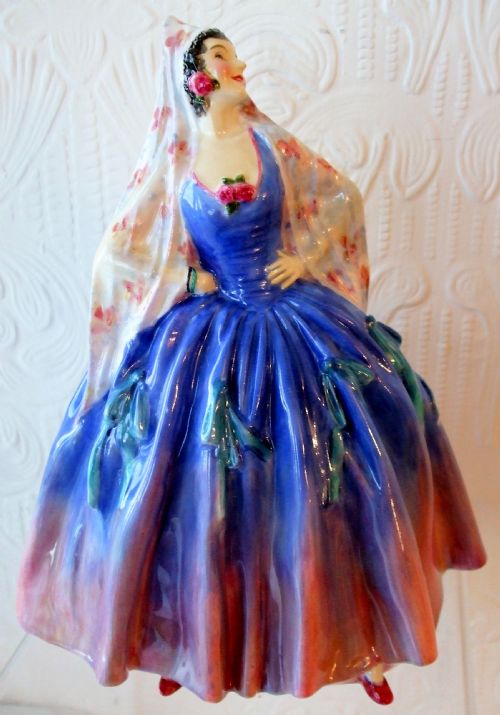
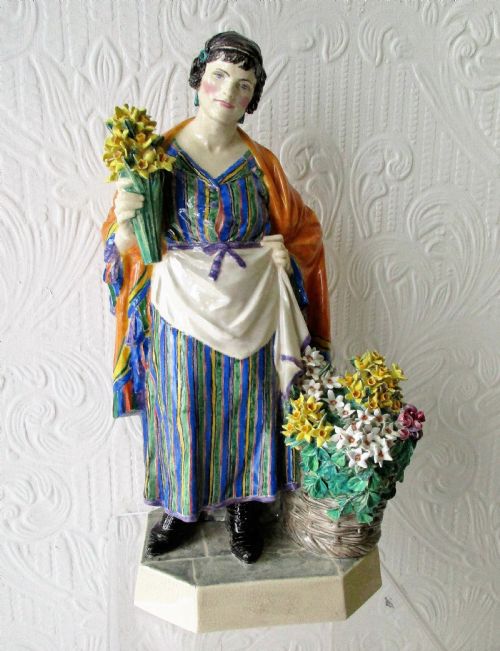
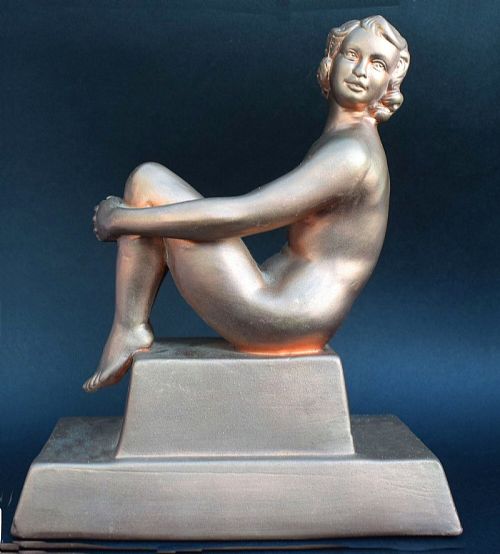
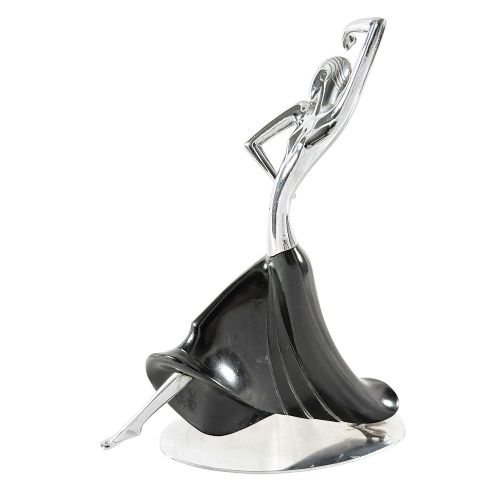
An art deco lady figure embodies the modernist spirit of the interwar decades through stylised depictions of female dancers, bathers and flappers. Collectors encounter these pieces primarily as ceramic figurines, metal sculptures and functional table lamps originating from British, French and German workshops.
The format spans from small bone china porcelain models to substantial spelter and bronze sculptures mounted on marble or onyx bases. Many double as domestic objects, integrating into clocks, powder boxes, perfume sets and lighting fixtures designed during the 1920s and 1930s.
Materials and methods
Foundries and studios shaped metal elements from spelter, bronze and chrome plate, frequently mounting the finished figures onto heavy stone plinths of onyx, marble or alabaster. Ceramic works combine moulded earthenware and porcelain with hand-painted glazes, occasional bone china bodies and specialised powder box fittings.
Chryselephantine pieces paired metal or carved elements with contrasting organic materials, while glass and painted wood introduced further texture to figural table lamps and vanity sets.
Several figures caught mid-dance balance precariously on tiny spheres, trusting geometry entirely.
Distinctions in standard and execution
The fidelity of the casting and the crispness of the surface detail separate standard commercial production from the work of recognised designers and major foundries. Hand-painted enamels and polychrome finishes show greater nuance in professional studios compared to mass-produced factory output.
The integration of the figure into its functional context - whether supporting a lamp shade, balancing a clock housing, or forming part of a vanity set - dictates the overall architectural coherence of the piece.
Charles Vyse·Demetre Chiparus·Fasold and Stuach·Geo Maxim·Josef Lorenzl·Royal Doulton
The Art Deco Lady Figure Glossary
- Spelter
- A zinc alloy commonly utilised as a cost-effective substitute for bronze in interwar metal sculptures, often given a painted or metallic finish to simulate heavier metals.
- Chryselephantine
- A composite sculptural technique combining carved ivory or bone with metal, stone or wood elements, popular in luxury figures of the 1920s.
- Onyx
- A banded variety of chalcedony frequently shaped into heavy rectangular or stepped bases for figural lamps and mantle sculptures.
- Bone china
- A type of porcelain incorporating animal bone ash, valued for its milky translucency and strength in delicate ceramic figurines.
- Powder box
- A vanity container featuring a decorative figural lid, designed to hold face powder on a dressing table during the early twentieth century.
Art Deco Lady Figure: Frequently Asked Questions
How are art deco lady figures cleaned?
Dust surfaces gently with a soft dry brush to protect painted or metallic finishes from moisture damage.
Avoid chemical cleaning agents on spelter, patinated bronze, and painted ceramics to preserve the original interwar surface.
Where were these figures made?
Production centred across European workshops, with notable contributions from British potteries, French metal foundries and German ceramic manufacturers.
Export markets distributed these domestic ornaments widely, resulting in distinct regional material choices.
Can original lamps still be used?
Original figural lamps require professional rewiring to meet modern electrical safety standards before daily domestic use.
Retain original bulb holders and switches where possible to maintain the historical integrity of the lighting fixture.
How do I identify the period?
Stylistic indicators include streamlined drapery, geometric hair styling, and the characteristic posture of dancers and flappers typical of the 1920s and 1930s.
Maker marks, registration numbers, and base materials like onyx and spelter provide further chronological context.