


Cold Painted Metal Sculpture
Cold painted metal sculpture brings lively colour and fine detail to your room, capturing everything from playful animals to graceful human figures.
Cold Painted Metal Sculpture
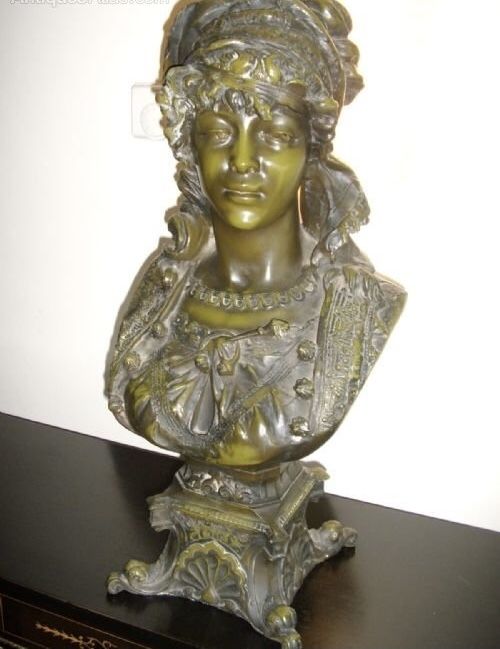
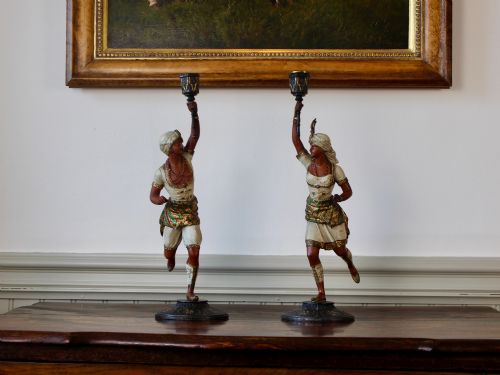
A cold painted metal sculpture is a decorative object cast in bronze or spelter, then finished with non-fired polychrome paint applied directly to the metal surface.
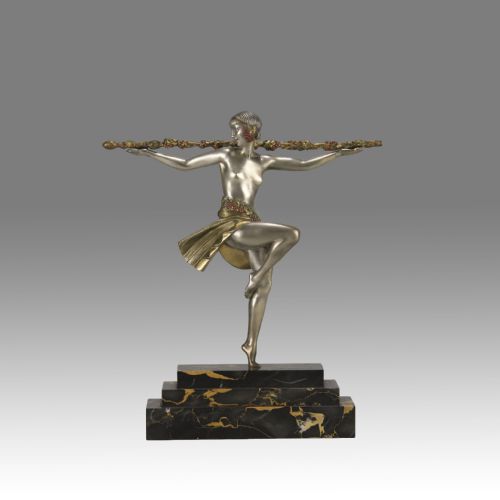
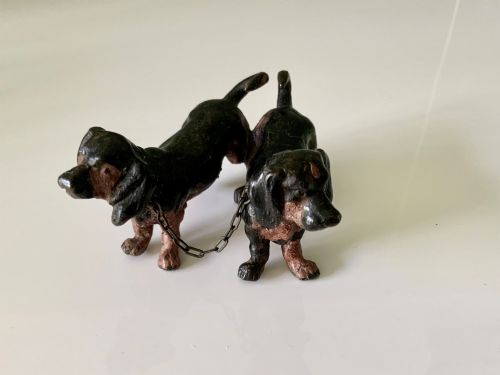
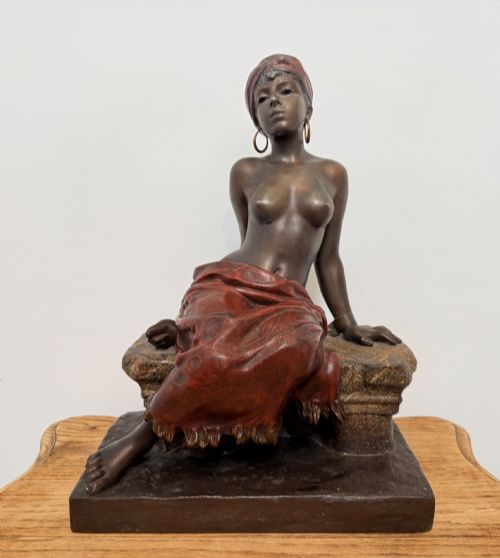
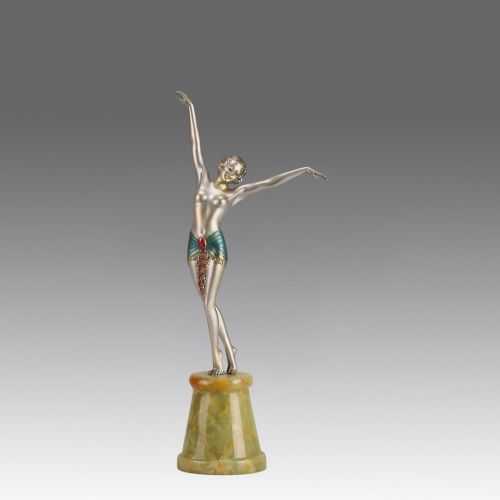
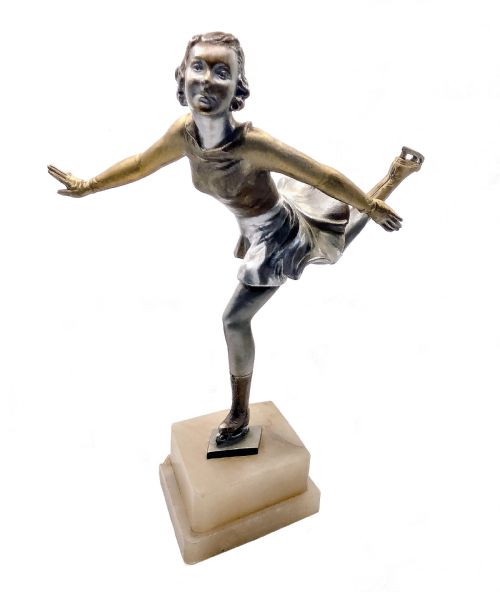
You will frequently encounter Austrian and Vienna bronze pieces alongside French Art Deco figures, depicting animals, dancers, and Orientalist subjects.
The selections span from the Victorian era and the nineteenth century through to the Edwardian period and the 1930s, often mounted on marble or onyx bases.
Materials and methods
Foundries cast molten bronze or spelter into intricate moulds, capturing fine anatomical details and elaborate costumes before cooling the metal.
Artisans applied multiple layers of oil-based cold paint by hand, building up the rich surface colours without firing the pieces in a kiln.
Materials record bronze, spelter, marble, onyx, enamel, and cold paint across diverse animal figurines and desk accessories.
Assessing quality
The fineness of the original casting determines the crispness of facial expressions, feathers, and clothing folds, distinguishing superior work from softer forms.
The preservation of the delicate hand-painted surface dictates value, as surviving pigment shows the original artisan's hand clearly.
Franz Bergman·Pierre le Faguays·Josef Lorenzl·E Villanis·Fabergé·Jennings Brothers·Geo Maxim·Stephan Buchinger·Henry Wissen Senior
The Cold Painted Metal Sculpture Glossary
- Cold-painted bronze
- A bronze object decorated with unfired paint applied after casting. This technique creates vibrant polychrome finishes that require careful handling to preserve.
- Spelter
- A zinc alloy frequently utilised as a cost-effective alternative to bronze in decorative figures. It often supports patinated or painted finishes.
- Vienna bronze
- Small Austrian bronze figures produced during the late nineteenth and early twentieth centuries. They are renowned for naturalistic animal studies and humorous human subjects.
- Animalier
- An artistic style focusing on realistic depictions of animals in motion or repose. Sculptors working in this genre studied animal anatomy closely.
- Orientalist
- A nineteenth-century artistic style depicting Middle Eastern and North African subjects. These works often show figures in traditional dress or tents.
Cold Painted Metal Sculpture: Frequently Asked Questions
What is cold painted bronze?
Cold painted bronze refers to metal figures decorated with oil-based paint that dries naturally rather than firing in a kiln. This method allows for vivid polychrome detailing on small decorative items.
The technique gained immense popularity in Vienna during the late nineteenth century, resulting in countless charming animal and human subjects.
How do I clean my sculpture?
Dust these delicate metal objects gently with a dry, soft brush to protect the fragile surface pigment. Moisture and harsh cleaning agents will damage the original paint.
Display the pieces away from direct sunlight and excessive heat to maintain the integrity of the finish over time.
Are spelter and bronze different?
Spelter is a zinc-based alloy that is lighter and softer than bronze, commonly used for decorative figures and candlesticks. Bronze offers greater strength and a heavier weight.
Many antique figures utilise spelter as an accessible alternative, finished with similar cold-painted techniques.
Why are some figures on onyx?
Makers frequently mounted sculptures on marble or onyx plinths, bookends, and inkwells to provide a stable base and a decorative foundation. These stone mounts complement the metallic tones of the figures.
Such bases also served practical functions in items like desk sets and car mascots.