








Antique Spelter Statue
An antique spelter statue brings character and narrative to a room through expressive figures cast in zinc alloy.
Antique Spelter Statue
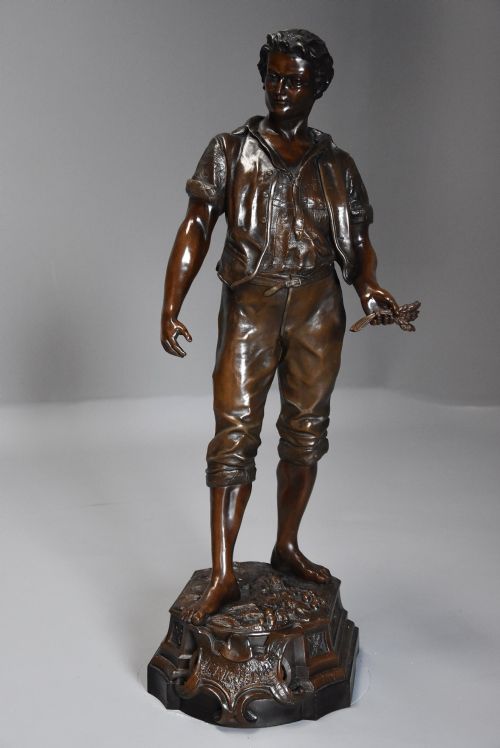
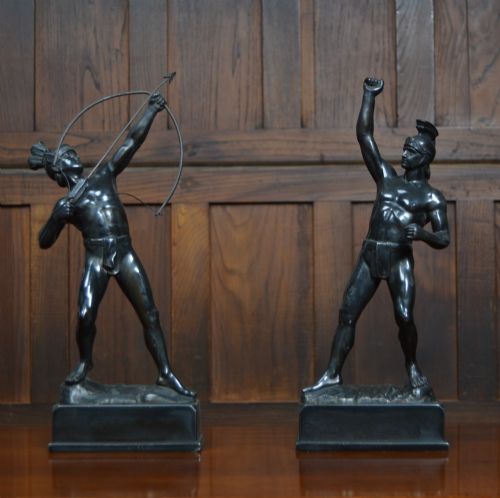
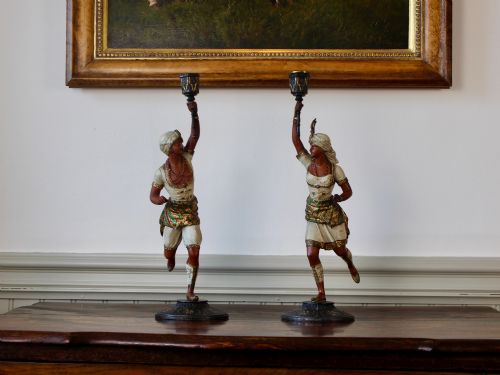
When you search for an antique spelter statue, you are examining sculptural metalwork cast primarily from zinc-based alloys rather than heavier bronze. These pieces range from Victorian soldiers and classical figures to dynamic Art Deco dancers and animals.
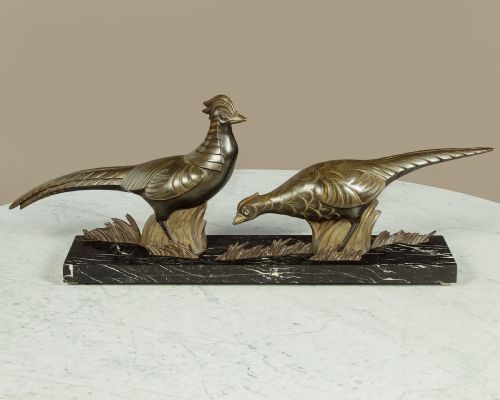
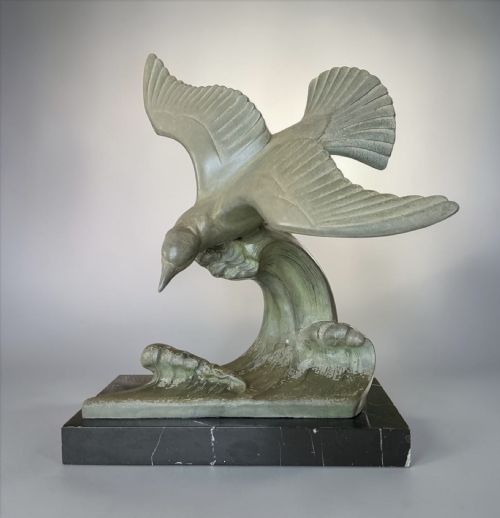
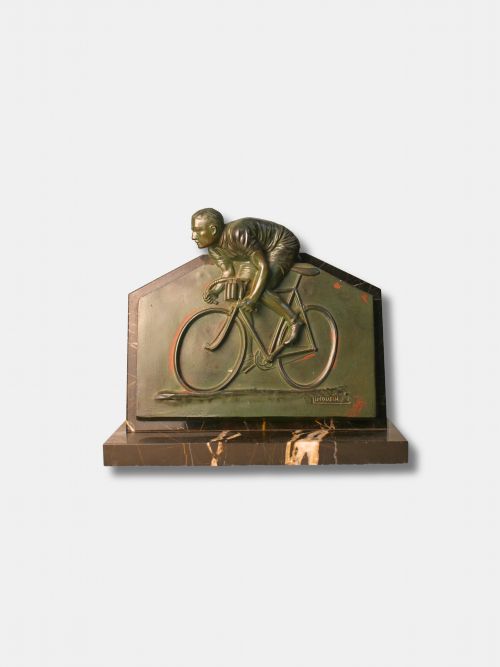
The most common examples on this page are French works originating from the late nineteenth century and the Art Deco period of the nineteen-thirties. Figures are frequently mounted on heavy bases of marble or onyx to give stability to the lighter metal.
Makers often utilised patination or cold painting to disguise the grey metal beneath and mimic bronze or silver. You will encounter these sculptures functioning as standalone ornaments, clock garnitures, table lamps, and bookends.
How they were made
Foundries manufactured these statues by pouring molten zinc alloy into metal moulds. Because spelter is softer and has a lower melting point than bronze, sculptors could achieve fine detail without excessive hand-chiselling.
Makers applied chemical patination, bronzing washes, or polychrome cold-painting directly onto the cooled metal surface. These finishes required careful sealing to prevent the reactive zinc alloy from oxidizing over time.
Statues were frequently mounted onto turned wooden plinths or polished marble and onyx bases to add weight and presence. Metal pins or threaded rods secured the lighter spelter figure firmly to its stone foundation.
Listings feature twentieth-century Art Deco sculptures alongside nineteenth-century French figures mounted on marble and onyx.
What varies in quality
The crispness of the casting defines the upper tier of these sculptures, where facial expressions and drapery remain sharp and well-defined. Weaker examples show blurred contours and smoothed details resulting from worn production moulds.
The integrity of the original surface finish heavily influences value and visual appeal. Intact cold-painting or deep patination commands more respect than later repainting that obscures the original metalwork.
The quality of the mounting base matters significantly, particularly when fitted to substantial carved marble or onyx plinths rather than simple wooden blocks.
E Rousseau·F.Milliot·Josef Lorenzl·P. Sega·C Masson·Geo Maxim·Chiparus·Ernest Rancoulet
The Antique Spelter Statue Glossary
- Spelter
- A zinc alloy used extensively as a cost-effective alternative to bronze for nineteenth and twentieth-century decorative figures. It is softer and lighter than true bronze.
- Cold-painted
- A decorative technique where paint is applied to metal without subsequent heat-firing. This finish is susceptible to flaking if handled improperly.
- Patination
- The surface coloration achieved through chemical application or natural ageing. It gives spelter the appearance of aged bronze or brass.
- Garniture
- A set of matching decorative ornaments designed for a mantelpiece, usually comprising a central clock flanked by candlesticks or urns.
- Plinth
- The solid base or block upon which a statue stands. These are frequently fashioned from black marble or onyx in Art Deco pieces.
Antique Spelter Statue: Frequently Asked Questions
How do I clean an antique spelter statue?
Dust the surface gently with a soft, dry brush to prevent accumulating dirt in the recesses. Avoid water, harsh solvents, or metal polishes, which will strip away the historic patination or cold-painted finish.
Keep the statue out of direct sunlight and damp environments to protect the metal and its painted coating. A dry microfibre cloth is sufficient for routine maintenance.
Is spelter the same as bronze?
No, spelter is primarily a zinc alloy, whereas bronze is an alloy of copper and tin. Spelter is noticeably lighter, softer, and more brittle than bronze.
If you inspect the underside or a hidden area where the finish has worn, spelter reveals a dull grey metal beneath. Bronze possesses a warmer, reddish-yellow metallic undertone.
Why are many figures mounted on marble?
Spelter is a relatively light and soft metal, so heavy stone bases provide necessary stability to prevent the statues from tipping over. Onyx and marble plinths also added weight and a sense of luxury to domestic ornaments.
During the Art Deco period, contrasting black marble plinths became a defining aesthetic choice for animal and dancer figures. This combination lifted the metalwork visually and anchored the composition.
How can I tell the period of a statue?
Stylistic cues offer the clearest indication of date, moving from Victorian realism and classical revival to streamlined Art Deco forms. Clothing, hairstyles, and facial expressions typically reflect the fashion of the manufacturing era.
Signatures or foundry marks stamped into the metal or stone base also help narrow down the timeline. Additionally, the materials used for the plinth often correspond to specific decades of production.