



Art Deco Guilloche Silver
These pieces combine sterling silver and translucent enamel over engine-turned metalwork to create vibrant accessories that defined interwar glamour.
Art Deco Guilloche Silver
Art deco guilloche silver items encompass a wide range of functional vanity objects and personal accessories produced primarily during the 1920s and 1930s. Buyers searching this phrase typically encounter items designed for the dressing table or daily carry.
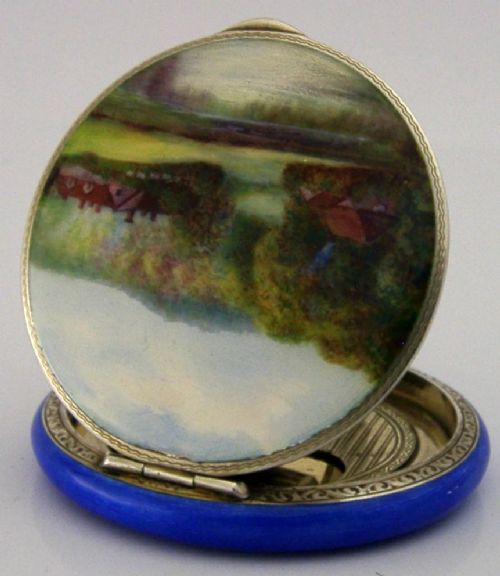
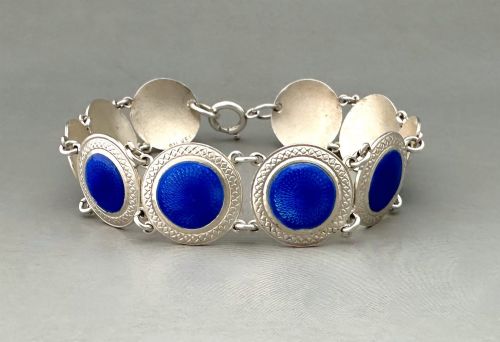
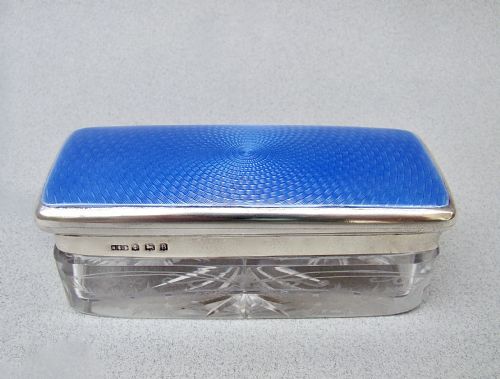
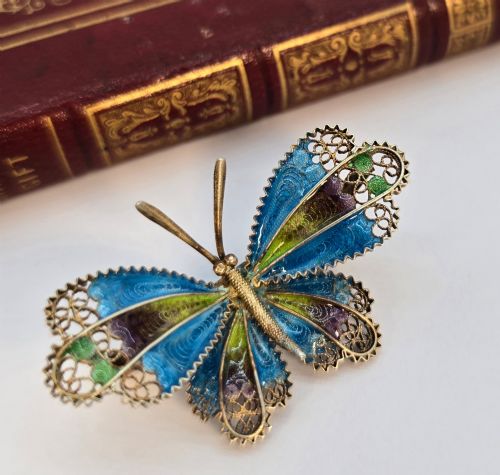
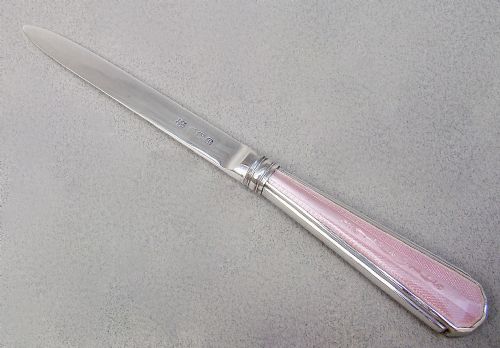
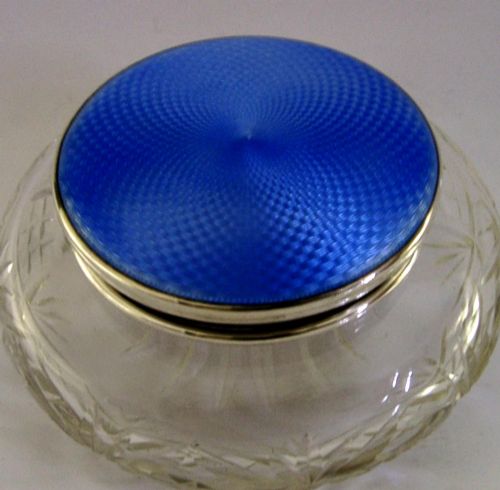
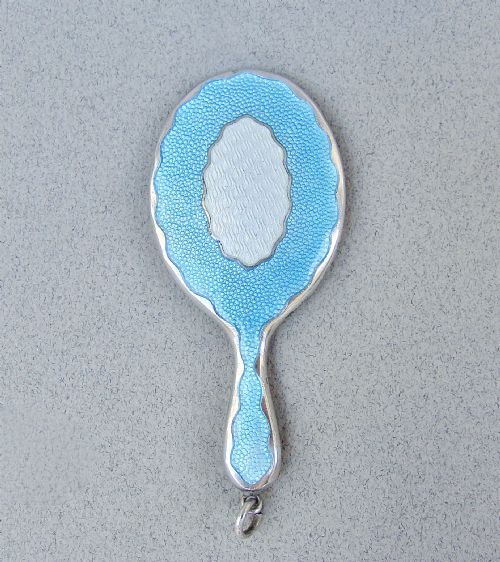
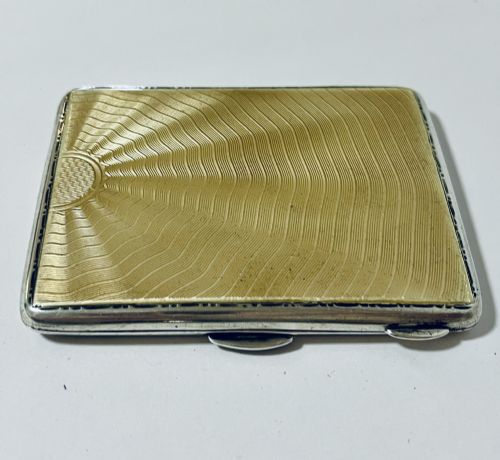
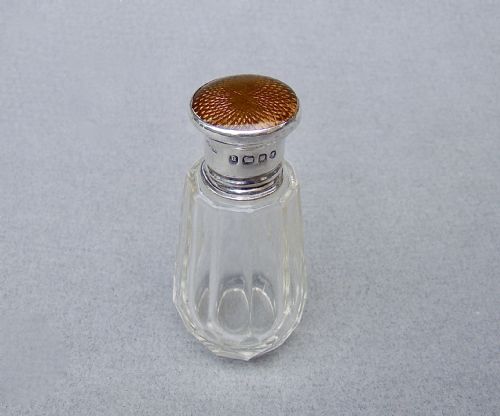
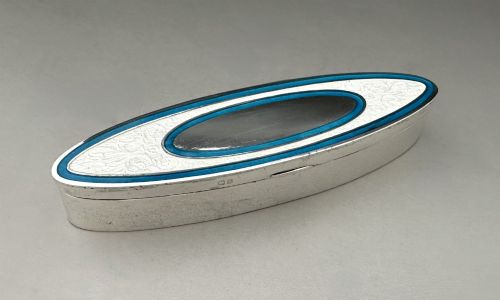
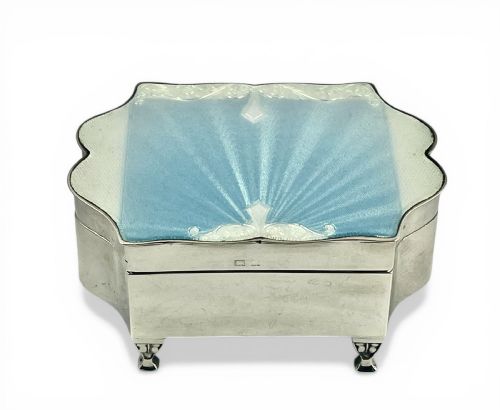
The selection frequently includes powder compacts, dressing table jars, scent bottles, hand mirrors, and magnifying glasses alongside smaller personal pieces like brooches and pill boxes. These objects merge structural sterling silver with decorative metal engraving and coloured glass or enamel.
Most surviving examples originate from British silversmiths working in Birmingham and London, though continental and Scandinavian pieces also appear regularly on the market.
How They Were Made
Artisans applied engine-turning machinery to sterling silver surfaces, cutting precise geometric patterns into the metal before adding colour. This mechanical engraving created a reflective base beneath layers of translucent vitreous enamel.
Makers fused powdered glass to the prepared metal base through high-temperature kiln firing, allowing the underlying patterned silver to show through the transparent glaze. Many items also incorporate cut glass bodies, silver gilt accents, and delicate filigree work.
Materials recorded across the inventory include sterling silver, cut glass, vitreous enamel, and silver gilt.
What Varies in Quality
The standard of execution depends heavily on the precision of the underlying engine-turning and the clarity of the vitreous enamel layer. Superior pieces display crisp, symmetrical geometric patterns that catch the light evenly through smooth, unblemished enamel.
The weight and gauge of the sterling silver mountings also set higher-grade items apart from lighter or mass-produced alternatives. Maker attribution to known workshops and well-preserved original gilding or glass components further distinguish exceptional examples.
Henry Clifford Davis·The Barker Brothers·Henry Williamson·Henry Perkins·Henry Matthews·Thomas Lyster Mott·The Adie Brothers·Crisford And Norris·Deakin And Francis
The Art Deco Guilloche Silver Glossary
- Guilloche
- A decorative technique where a mechanical lathe etches precise, intricate geometric patterns into a metal surface. This process creates the characteristic radiating or wave-like background visible beneath translucent enamel.
- Vitreous Enamel
- A material made by fusing powdered glass to a metal substrate at high temperatures. It provides the durable, glossy coloured coating seen on compacts and scent bottles.
- Sterling Silver
- An alloy consisting of ninety-two point five percent silver and seven point five percent other metals, usually copper. British pieces carry hallmarks confirming this standard.
- Silver Gilt
- Sterling silver that has been coated with a thin layer of gold. This treatment adds a warm, opulent finish to interior mounts and small decorative items.
- Engine-Turned
- The descriptive term for metal surfaces decorated with precision mechanical engraving. It forms the essential textural foundation for patterned enamel work.
Art Deco Guilloche Silver: Frequently Asked Questions
What is guilloche silver?
Guilloche silver refers to items featuring mechanical metal engraving beneath a translucent layer of coloured enamel. The underlying pattern reflects light through the glaze to create depth.
This technique was widely utilised on interwar dressing table accessories and personal items made from sterling silver.
How do I date these pieces?
British pieces typically feature hallmarks stamped directly onto the silver mounts, indicating the assay office, standard, and date letter. Birmingham and London makers produced the majority of these items during the 1920s and 1930s.
Stylistic cues such as geometric art deco motifs or Edwardian flourishes also help narrow down the production period when hallmarks are worn.
How were vanity jars used?
Vanity jars and dressing table pots held creams, powders, or cotton balls as part of an elaborate interwar grooming routine. They sat atop dressing tables alongside matching hand mirrors, brushes, and scent bottles.
Today, collectors use these lidded glass and silver containers to store small trinkets or display them as decorative objects.
Are these items made of solid silver?
The mounts, lids, and frames on these pieces are constructed from sterling silver, often carrying full British hallmarks. Components like scent bottles and vanity jars combine these silver mounts with heavy cut glass or crystal bodies.
Some smaller items or mesh pieces may utilise silver plating or silver gilt over base metals.