



Edwardian Silver Glass Bowl
When you search for an edwardian silver glass bowl, you are looking at tactile combinations of bright metalwork and jewel-coloured glass designed to catch the light on a formal table.
Edwardian Silver Glass Bowl
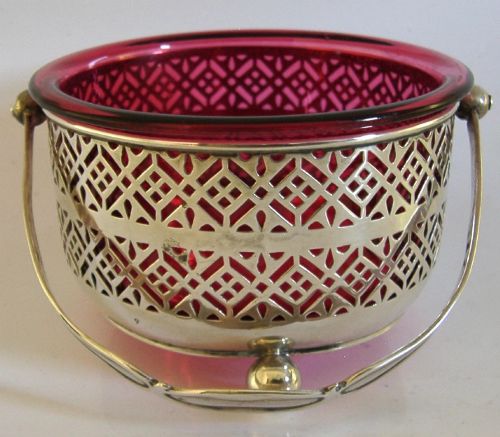
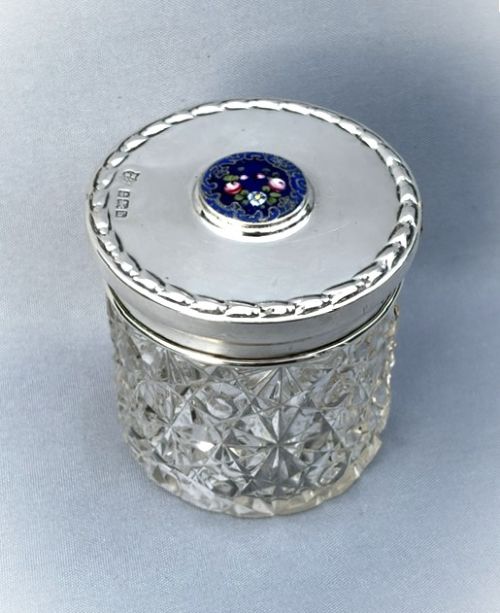
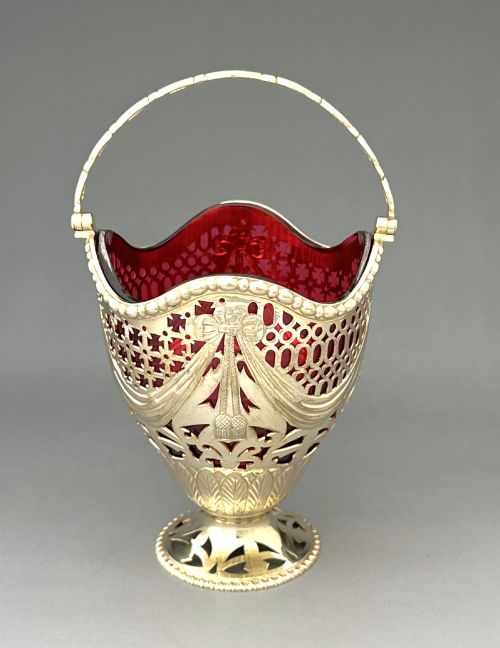
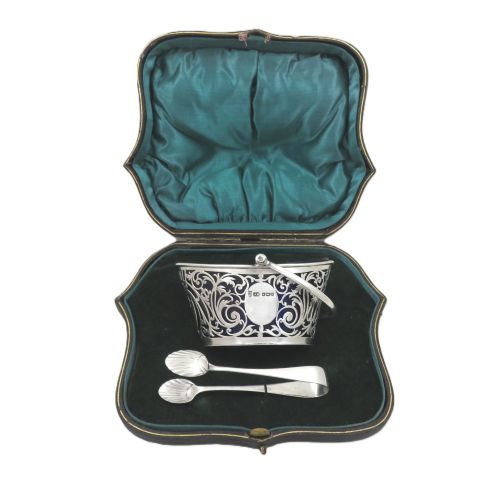
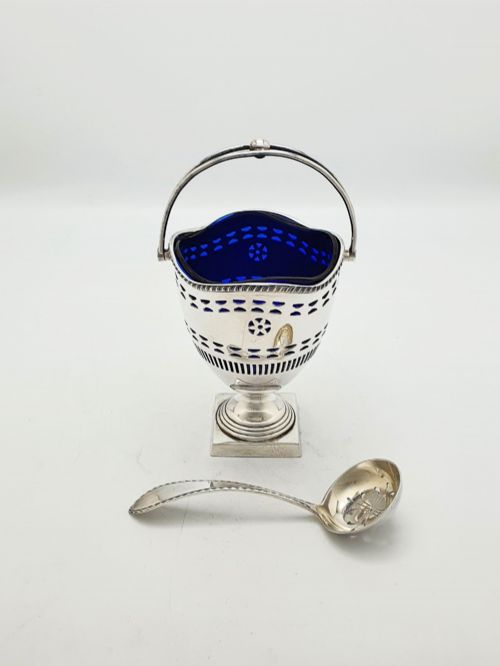
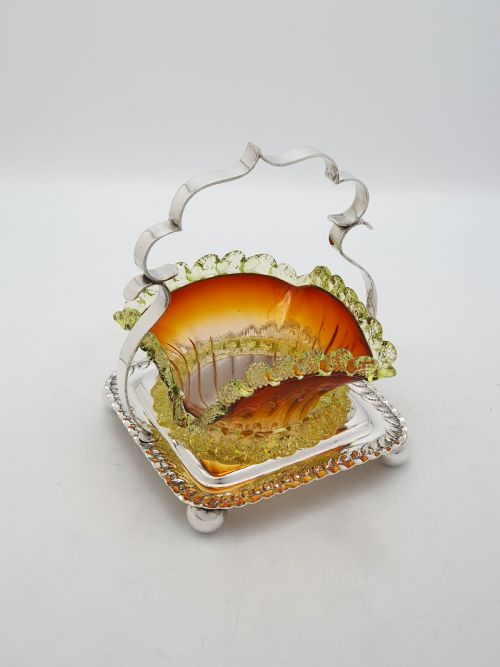
An edwardian silver glass bowl brings together functional serveware and decorative arts, appearing frequently as sugar baskets, jam dishes, and lidded trinket boxes. These pieces bridge the late Victorian era and the early twentieth century, carrying the stylistic shifts of the period into domestic spaces.
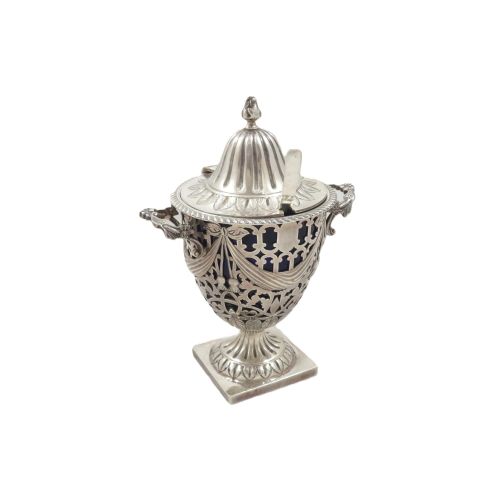
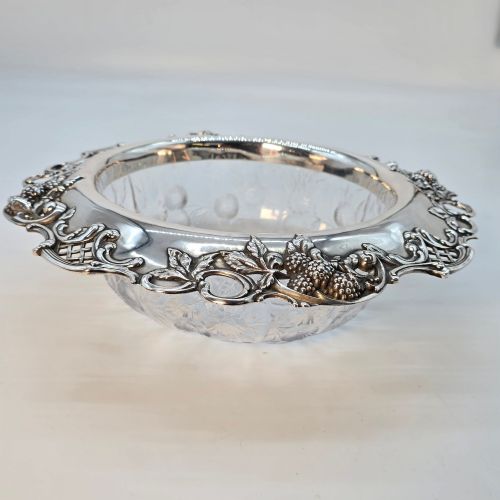
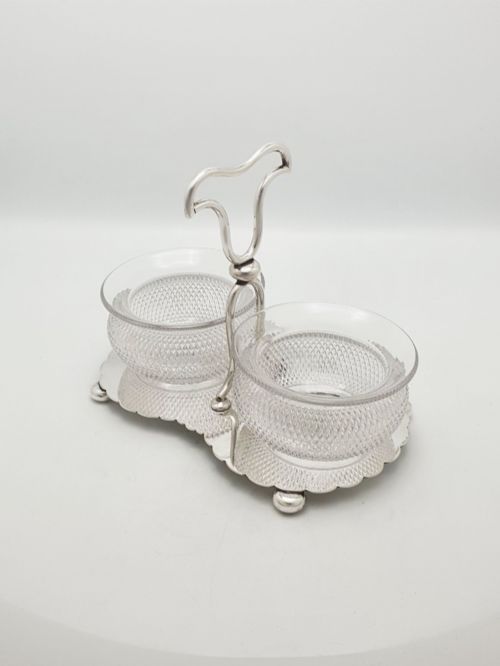
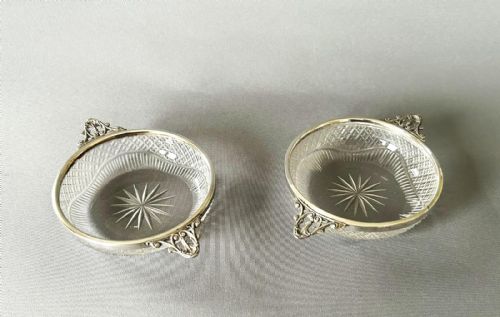
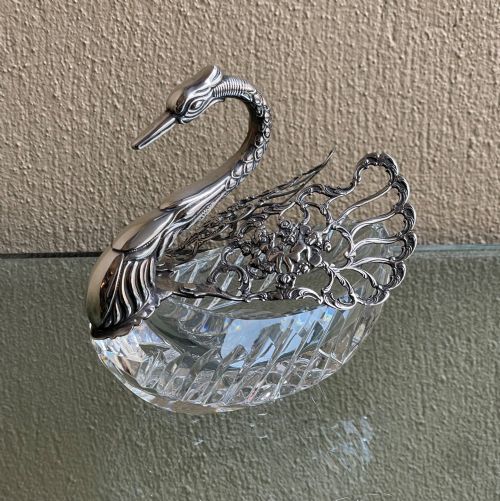
The dominant forms on this page include swing-handled baskets with coloured liners, condiment stands, and cut crystal vessels mounted with silver rims or lids. Many date from the Edwardian decade itself, alongside related Victorian and early twentieth-century examples that share the same material vocabulary.
How They Were Made
Maker's workshops combined sterling silver or silver plate with blown, moulded, and deeply cut glass. Metal mounts were often pierced or chased in floral and foliate motifs, then fitted tightly around vessels of cranberry, cobalt, ruby, or vaseline glass.
Techniques such as silver-gilding, enamelling, and hand-cutting added texture and colour contrast. Frames were cast or stamped to hold delicate glass liners securely without adhesives.
Listings feature extensive examples of cranberry glass paired with pierced silver plate from the early 1900s.
What Varies in Quality
Quality rests upon the crispness of the glass cutting and the weight of the silver or silver plate. Heavier gauge metal mounts and deep, sharp facets on the crystal create a more substantial object.
Tiffany and Co·William Comyns·WMF
The Edwardian Silver Glass Bowl Glossary
- Cranberry glass
- A rich red-pink transparent glass coloured with gold chloride during production. It is a defining material of Edwardian and Victorian tablewares.
- Silver plate
- A base metal, often copper or Britannia metal, coated with a thin layer of pure silver. It offered households the appearance of solid silver at a lower cost.
- Pierced work
- Metalwork decorated by cutting or piercing decorative patterns through the surface. This technique lightened the appearance of heavy silver stands and baskets.
- Hallmark
- A stamped official mark indicating the metal purity, assay office, and year of manufacture. Sterling silver pieces often carry these to verify their origin.
- Swing handle
- A movable arched handle attached to the rim of a basket or bowl. It allows the vessel to be carried easily and folds down when placed on a table.
Edwardian Silver Glass Bowl: Frequently Asked Questions
What were these glass and silver bowls used for?
These vessels served specific domestic functions on the dining table or dressing table. Common uses included holding sugar, preserves, bonbons, or condiments during formal meals.
Smaller lidded versions functioned as trinket pots or vanity jars for holding personal items in the bedroom.
How do I clean and care for silver and glass?
Wash the glass liners gently in warm soapy water using a soft cloth, avoiding harsh abrasives that can scratch the surface. Remove the glass from the metal mount before cleaning to prevent moisture trapping.
Polish the silver or silver plate sparingly with a dedicated cloth, taking care not to let polish residue build up in the pierced crevices or against the glass.
How do I tell Edwardian pieces from Victorian ones?
Edwardian designs generally favour lighter, airier aesthetics inspired by neoclassical and Garland styles, often featuring cleaner lines and restrained ornamentation. Victorian pieces tend to be heavier and more ornate, drawing heavily on Rococo Revival and Aesthetic Movement motifs.
Hallmarks and registration numbers stamped on the metal provide the most reliable dating evidence.
Can I use these antique bowls for everyday dining?
Most of these pieces function well for serving dry foods, sweets, or condiments, provided they are handled with care. The glass liners are generally robust enough for occasional table use.
Acidic foods like fresh fruit or vinegar-based preserves should not be left in contact with silver plate or sterling silver for extended periods to avoid tarnishing.