




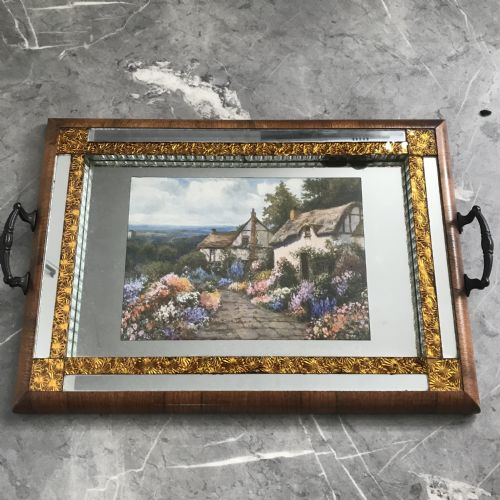
Art Deco Glass Mirror
Searching for an art deco glass mirror brings forth geometric plates and tinted panels that defined the interwar interior.
Art Deco Glass Mirror
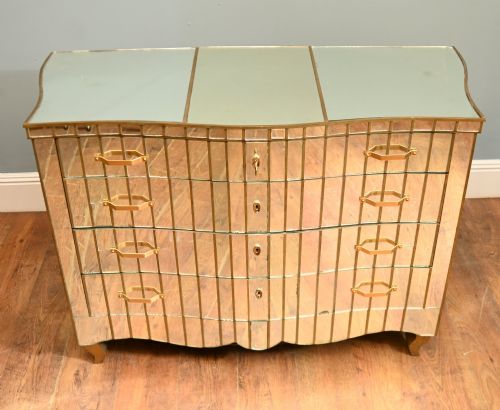
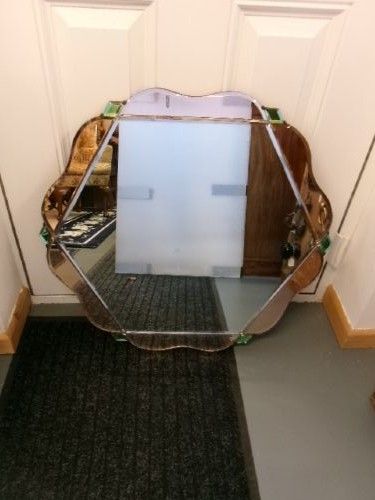
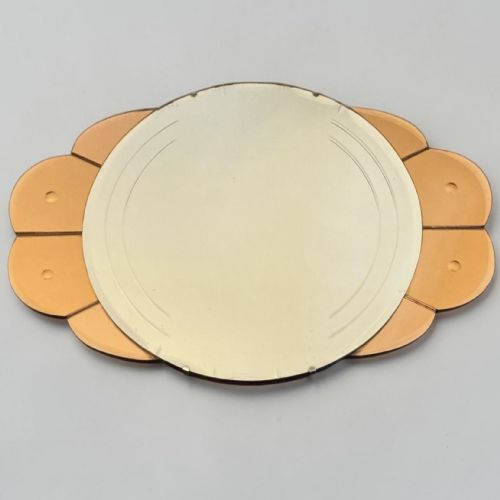
When buyers search for an art deco glass mirror, they encounter wall-hanging plates, overmantel centrepieces, and vanity items defined by the characteristic geometric lines of the interwar decades. The most common form on this page is the wall mirror, frequently incorporating coloured accent panels in peach, blue, or green alongside standard mirrored glass.
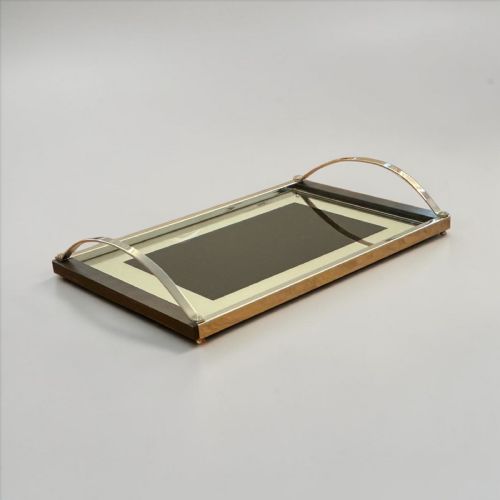
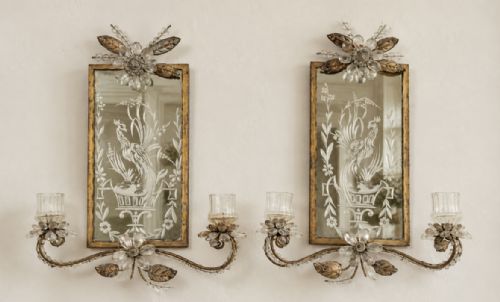
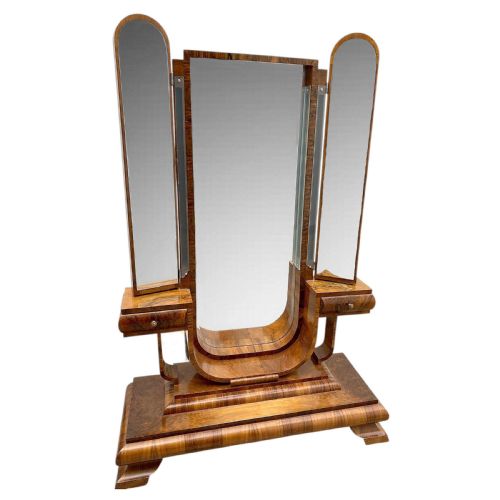
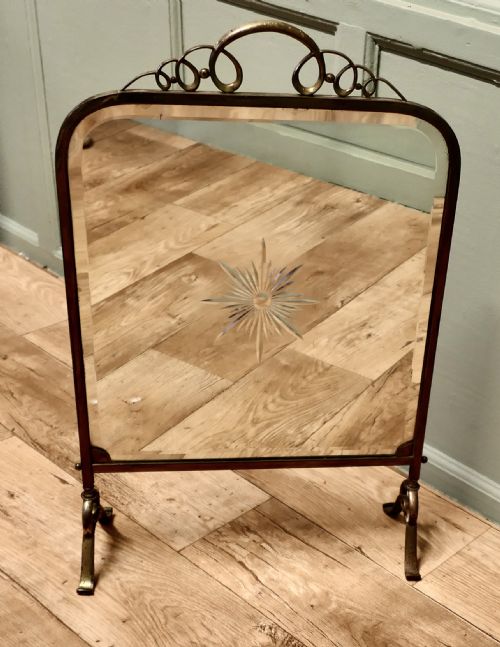
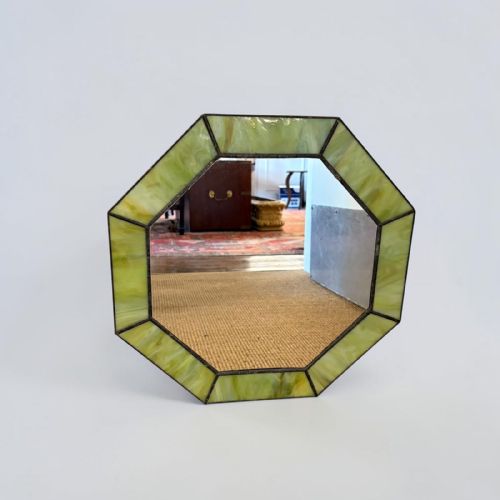
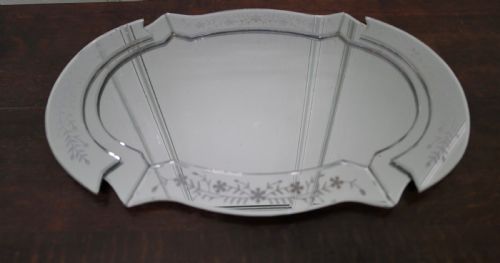
Beyond simple wall hanging pieces, these objects extend into functional domestic items where mirrored glass takes centre stage. Pieces range from circular and octagonal frameless plates to architectural overmantel designs, often featuring bevelled edges and etched motifs.
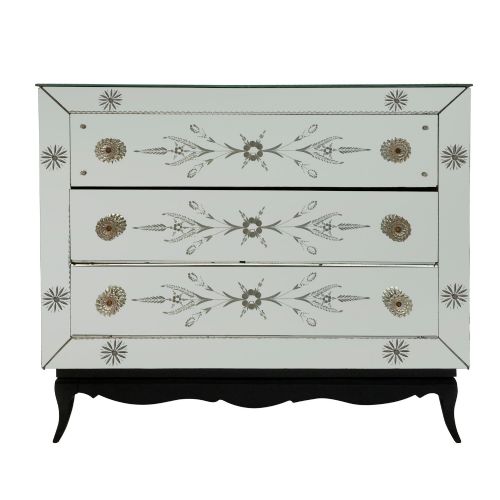
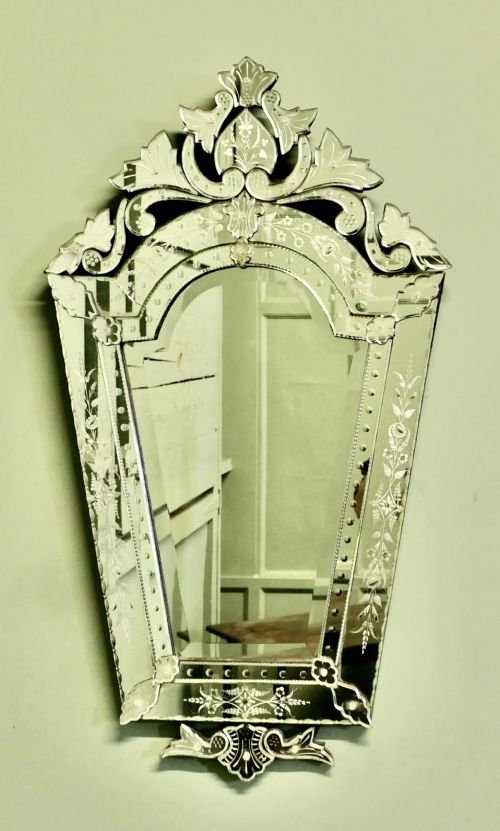
The aesthetic reaches back to Edwardian antecedents while leaning into French and Venetian stylistic influences. Surviving examples demonstrate how glass was utilised not merely for reflection, but as a primary decorative medium in domestic spaces.
How they were made
Makers constructed these pieces by combining sheet glass, mirrored plates, and coloured glass segments secured to wooden backings with metal screws, clips, and brass brackets. Bevelling was applied to the edges of plates to catch light, while surface decoration often relied on wheel-cutting and acid-etching techniques.
Coloured glass panels in peach, green, and blue were integrated into the primary mirror surface to create contrasting borders and geometric patterns. Metal elements such as chrome, brass, and silver plating provided structural frames and decorative mounts.
Art Deco Glass Mirror Retail Price Guide 2026
Typical asking prices for art deco glass mirror among the pieces listed under this phrase on Sellingantiques today, from the lower quarter to the upper quarter. They describe what is for sale here now, not the wider market.
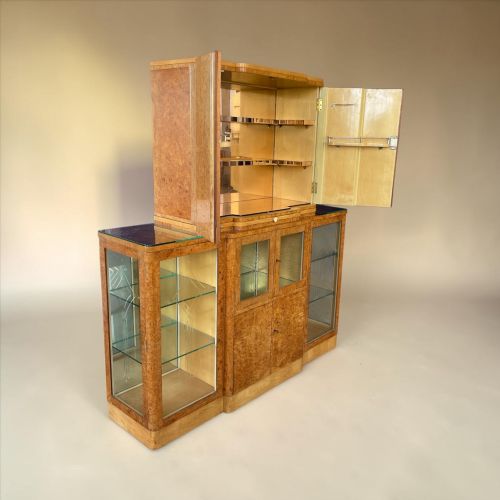
Some items doubled as sweet shop cabinets and vending machines.
What varies in quality
The calibre of these pieces depends upon the complexity of the glass cutting and the integrity of the original construction. Superior examples feature multi-toned glass panels, intricate bevelling, and robust wooden backings that support heavy mirrored plates.
Finishing details distinguish finer work, such as the precision of etched motifs, the quality of silver plating on metal mounts, and the integration of contrasting coloured glass borders. Pieces retaining their original backing materials and structural hardware command greater interest.
Smiths Clock Company·Harpers Automatic
The Art Deco Glass Mirror Glossary
- Bevelling
- The practice of angling the outer edges of a glass plate to create a sloping border that refracts light. This technique adds depth and visual polish to the face of the mirror.
- Overmantel
- A large horizontal mirror designed to hang specifically above a fireplace mantel. These pieces often span considerable widths to balance the fireplace below.
- Etching
- A decorative method using acid or abrasive tools to carve designs into the surface of the glass. It frequently produces frosted floral or geometric motifs.
- Sorcerer mirror
- A convex mirror that creates a wide-angle, distorted reflection of the surrounding room. Collectors prize these for their optical effect and unusual form.
- Frameless
- A construction style where the mirror plate itself forms the entire perimeter without a surrounding wood or metal border. Edges are typically shaped or scalloped.
Art Deco Glass Mirror: Frequently Asked Questions
How do I hang a heavy wall mirror safely?
Heavy plates require secure wall fixings distributed evenly across the original wooden backing or metal support brackets. Professional mirror hangers utilise wall anchors rated for the specific weight of the glass.
Ensure the hanging wire or chain, if original, remains strong enough to bear the load safely. Modern strap hangers screwed directly into wall studs provide the most reliable support for large overmantel pieces.
Why do some mirrors feature coloured glass panels?
Makers incorporated peach, green, and blue glass to enhance the decorative contrast and align with interwar interior design palettes. These coloured sections created geometric frames within the glass itself.
Such multi-tone designs reflected the glamour associated with the period aesthetic. They turned a functional reflective surface into a prominent wall decoration.
How should I clean antique mirrored glass?
Maintenance requires gentle cleaning solutions applied to a soft cloth rather than directly onto the glass surface. Avoid harsh chemical sprays that might seep behind the glass and damage the silvered backing.
Take care around etched areas and vintage metal frames to prevent moisture accumulation. Regular dusting with a dry microfibre cloth preserves the finish safely.
Are these mirrors suitable for bathrooms?
Original pieces feature vintage silvering and wooden backings that remain sensitive to high humidity and moisture. Bathrooms can cause the silver backing to degrade and flake over time.
Living rooms, hallways, and bedrooms offer more stable environments that protect the fragile glass and backing. Placement away from direct steam sources preserves the condition of the piece.