



Bevelled Venetian Mirror
These bevelled venetian mirror pieces catch the light and add depth to a room through traditional glass-working techniques.
Bevelled Venetian Mirror
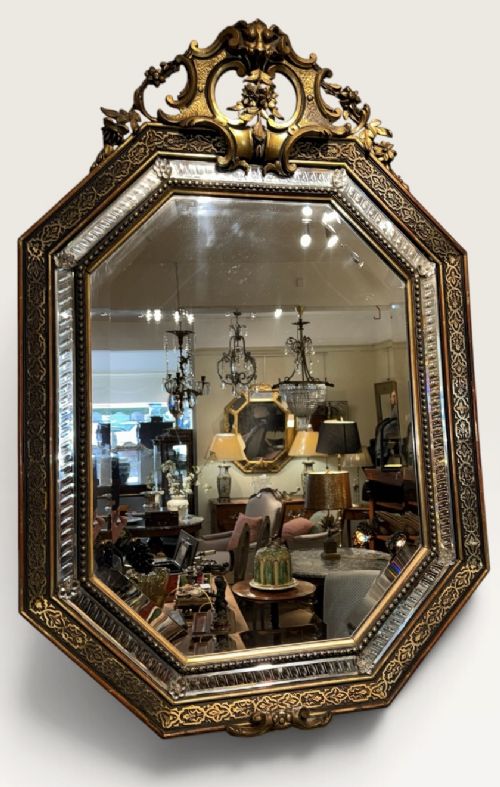
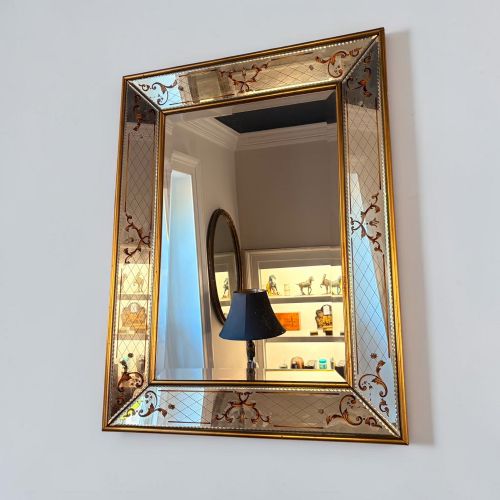
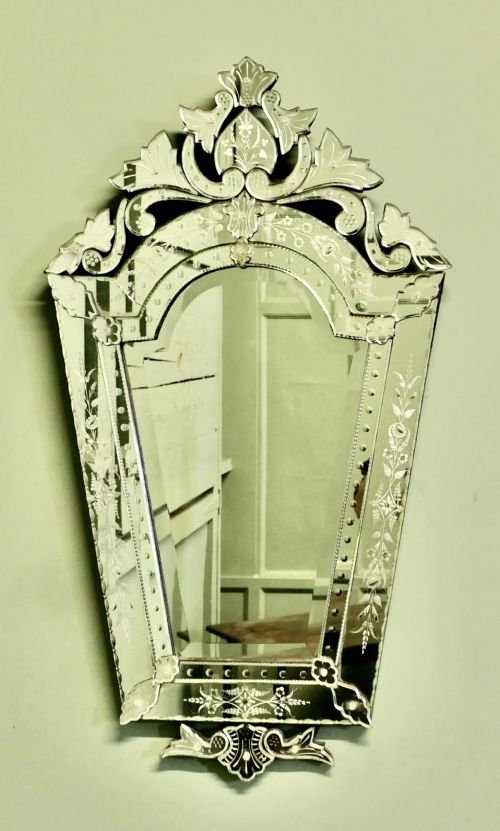
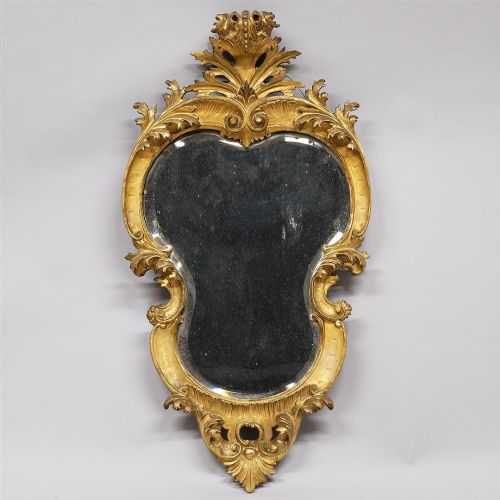
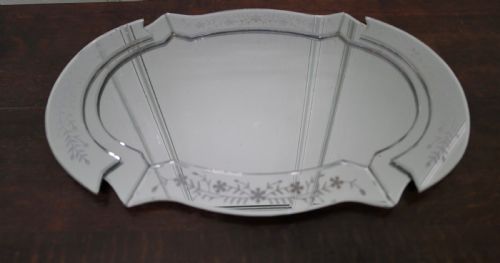
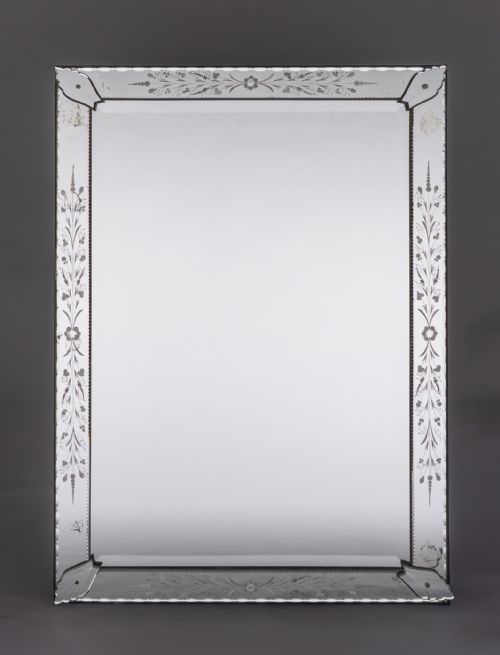
A bevelled venetian mirror is typically a wall mirror or a serving tray formed from sections of silvered glass, often featuring engraved floral or geometric motifs. The most common form on this page is the wall mirror, spanning periods from the nineteenth century through the mid twentieth century with Venetian, Art Deco, and Italian Rococo influences.
The objects listed show a variety of formats, including cushion mirrors, overmantle designs, and wine trays. Materials range from mirrored glass and wood to giltwood and gold leaf, reflecting origins in Italian workshops.
How they were made
Makers constructed these pieces using silvered glass and mirrored glass plates mounted on wooden or metal backings, sometimes finished with giltwood and gold leaf. Plates were hand-bevelled at the edges to catch the light at oblique angles.
Engraving and etching techniques decorated the surface glass with floral or linear patterns, while cushion mirrors utilised multiple angled glass panels secured around a central frame.
Bevelled Venetian Mirror Retail Price Guide 2026
Typical asking prices for bevelled venetian mirror among the pieces listed under this phrase on Sellingantiques today, from the lower quarter to the upper quarter. They describe what is for sale here now, not the wider market.
The listings span from the nineteenth century to the nineteen sixties, incorporating materials such as giltwood, silvered glass, and wood.
What varies in quality
Quality rests in the crispness of the glass engraving and the precision of the edge bevels, which distinguish finer decorative work from simpler production. The integrity of the silvering and the skill in joining individual glass sections also define the tier of a piece.
Subtleties in the application of gold leaf and the construction of the underlying wooden or metal frames separate standard examples from more ambitious workshop output.
The Bevelled Venetian Mirror Glossary
- Bevel
- An angled edge cut along the perimeter of a glass plate. This process creates a prismatic border that refracts light.
- Cushion mirror
- A mirror style featuring outward-curving glass panels pinned to a frame. These sections create a pillowed profile.
- Giltwood
- Timber coated with a thin layer of gold leaf. This finish provides a bright metallic sheen to the frame.
- Silvered glass
- Glass coated with a reflective metallic compound on the rear surface. This chemical layer turns transparent material into a mirror.
Bevelled Venetian Mirror: Frequently Asked Questions
What causes foxing on old mirror plates?
Foxing appears as dark spots or cloudiness on the glass where moisture has seeped behind the silvered layer over decades. This chemical breakdown is a natural part of the ageing process.
Many collectors value foxing as evidence of genuine antiquity. It proves the glass has a long history rather than being a modern reproduction.
Can I clean an antique glass tray with water?
Submerging or using excess liquid on these trays risks water entering the joins and damaging the silvered backing or wooden structure. Moisture trapped behind the glass accelerates decay.
Use a dry microfiber cloth for regular dust removal. If needed, apply a small amount of glass cleaner to the cloth rather than spraying the surface directly.
How do I identify an Edwardian mirror?
Edwardian pieces date from the early twentieth century and often combine traditional Venetian glass forms with simpler framing. Look for construction details and hardware typical of that era.
Comparison with dated pieces from the same decade helps confirm the period. Documentation or provenance notes can also clarify the manufacturing date.