

Art Deco Cocktail Glasses
Art deco cocktail glasses bring geometric elegance and modernist spirit to any home bar, offering distinct shapes and historical charm that collectors prize.
Art Deco Cocktail Glasses
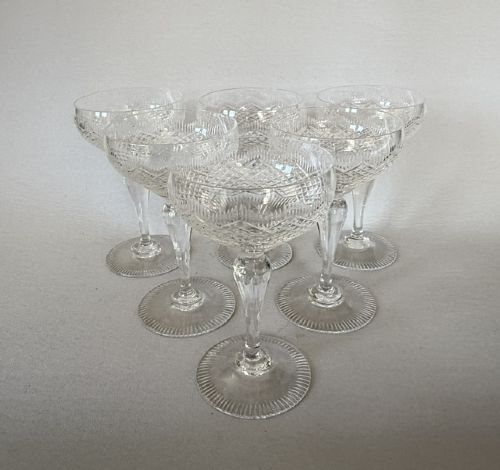
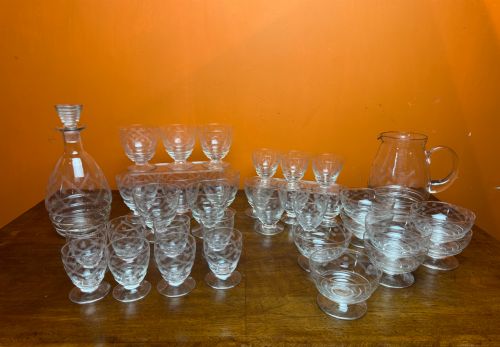
Art deco cocktail glasses represent the modernist spirit of the interwar years, designed to celebrate the golden age of mixed drinks and stylish entertaining. When searching for art deco cocktail glasses, buyers encounter matching sets, long-stemmed vessels, and complementary decanter suites originating predominantly from the 1920s and 1930s.
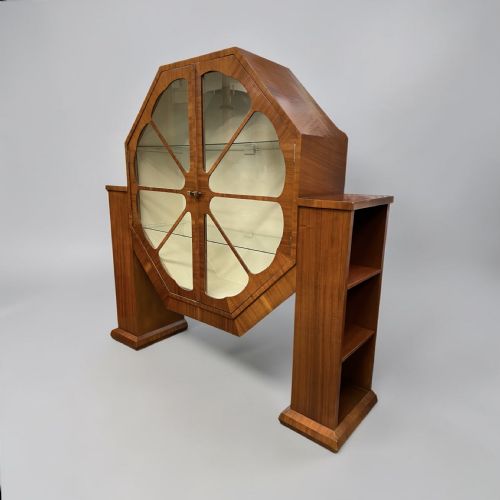
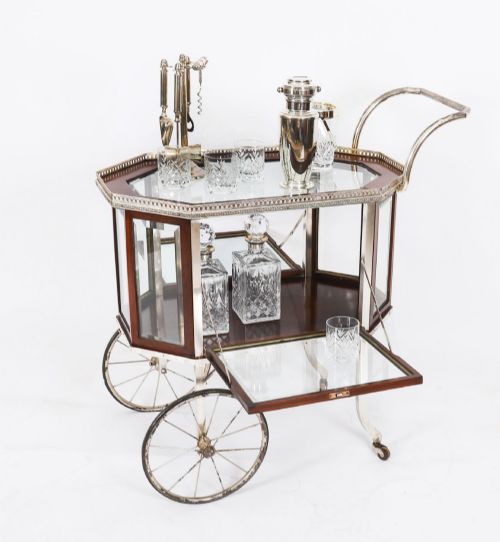
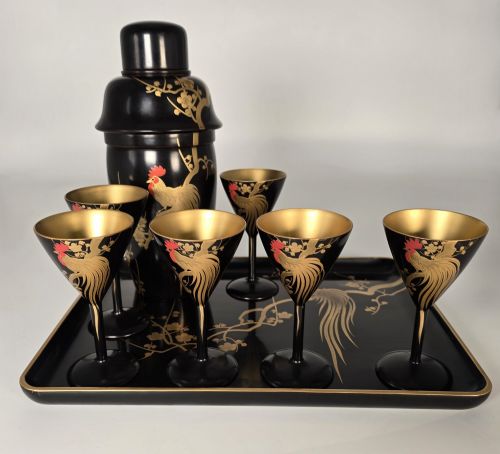
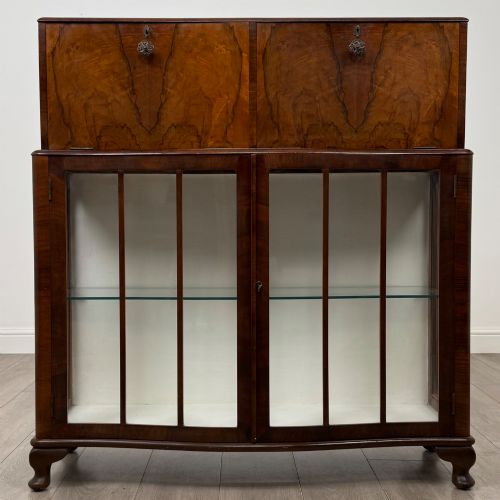
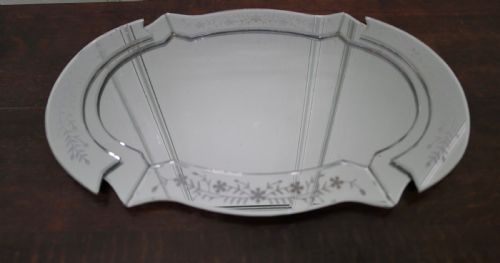
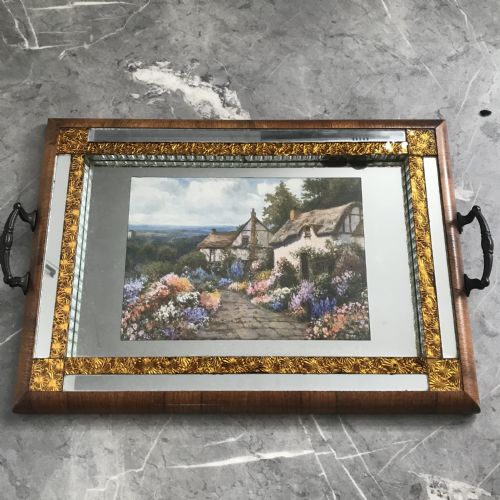
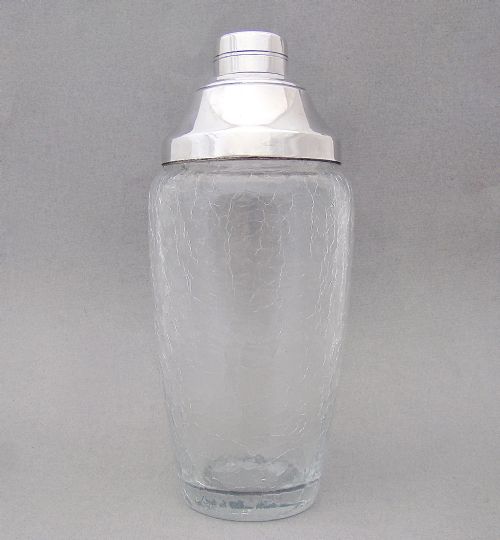
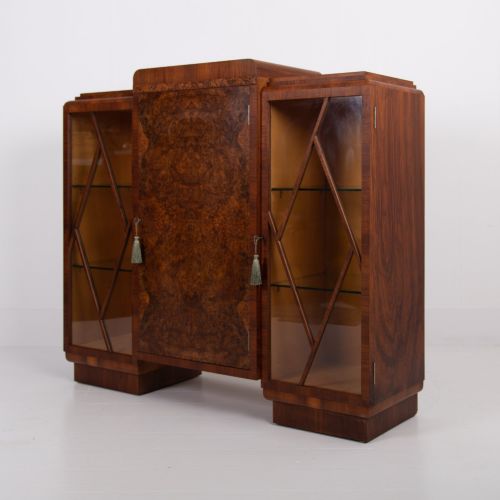
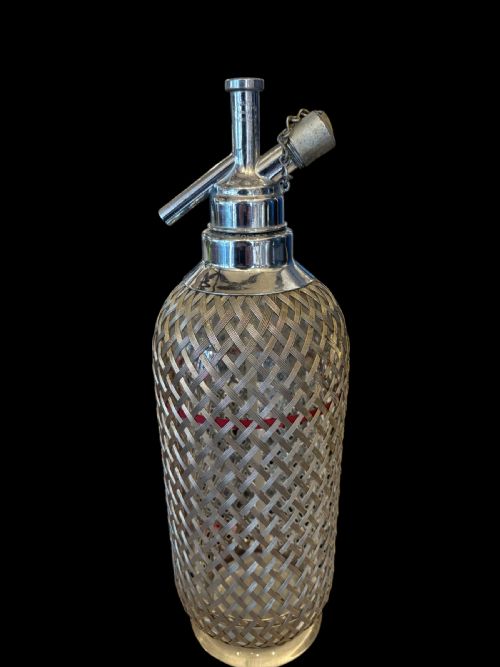
The pieces often feature crisp geometric cutting, delicate enamel decoration, or etched motifs that capture the aesthetic of the period. While many listings focus on glassware alone, survivors frequently appear alongside related barware such as silver-plated shakers, mirrored trays, and fitted cabinets.
How they were made
Glassmakers utilised traditional blowing and cutting techniques, shaping lead crystal and standard glass into sharp angles and sleek silhouettes characteristic of the era. Many vessels received surface embellishments through acid etching, hand painting with enamel, or the addition of silver rims.
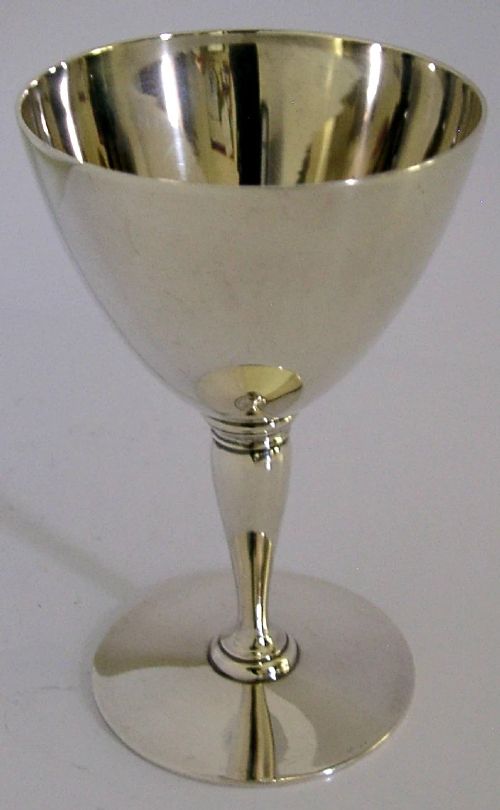
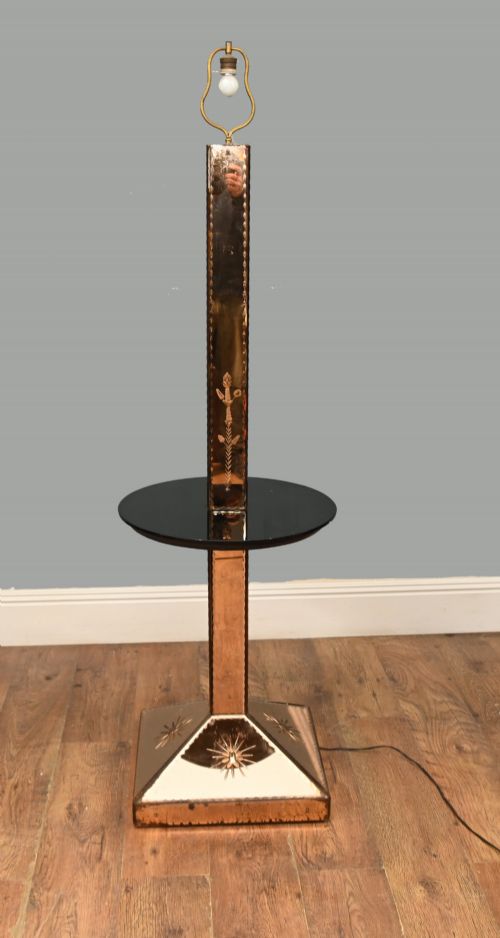
Complementary metal elements relied on silver plating, chrome, and cast brass, often combined with walnut, mirror glass, or lacquer to create the dual-texture aesthetic favoured by designers of the period.
Listings combine 1920s and 1930s glassware with chrome, walnut, silver plate, and brass barware.
What varies in quality
Quality rests upon the crispness of the glass cutting, the weight and clarity of the material, and the preservation of any delicate enamel or metallic surface decoration. Intact matching suites with uniform height and clarity command greater attention than assembled groups.
Makers' marks on associated silver mounts or sterling silver components introduce a further tier of distinction, separating standard commercial production from documented studio craftsmanship.
TIFFANY & Co·Maison Bagues·Hukin & Heath·H&L Epstein·Aspray of London
The Art Deco Cocktail Glasses Glossary
- Cut glass
- Glass decorated by grinding facets or patterns into the surface using a wheel. This technique creates sharp light refraction and a distinct tactile texture.
- Enamel
- Opaque glass paste fused to the surface of a vessel through firing. It introduces vibrant colour and decorative motifs directly onto the glass.
- Decanter set
- A matched grouping consisting of a central serving bottle accompanied by a set of drinking vessels. These suites were designed for display on trays or within drinks cabinets.
- Silver plate
- A layer of pure silver bonded to a base metal core such as brass or copper. It offered the appearance of solid silver at a more accessible production cost during the early twentieth century.
- Etched glass
- Glass bearing designs eaten into the surface by acid or scratched with a fine tool. This method produces soft, frosted patterns that contrast with clear panels.
Art Deco Cocktail Glasses: Frequently Asked Questions
How do I identify authentic art deco cocktail glasses?
Examine the silhouette for characteristic geometric lines, angular stems, and period-specific motifs such as stylized florals or abstract patterns. Weight and clarity in the glass, alongside signs of genuine age on the foot rims, help confirm authenticity.
Matching sets often display slight irregularities inherent to early production methods, distinguishing them from modern reproductions.
Were these glasses used daily or kept for display?
These vessels served during the height of the cocktail lounge era, featuring prominently at private home bars and cocktail parties of the 1920s and 1930s. They were active utility items designed for holding champagne, spirits, and mixed drinks.
Despite their delicate appearance, many survived because owners treasured them as part of sophisticated entertaining rituals.
Can I use vintage cocktail glasses for everyday dining?
Gentle hand washing preserves fragile enamel work, silver rims, and thin crystal stems found on period examples. Modern dishwashers and sudden temperature changes can damage antique glass.
Careful handling ensures these historic vessels remain usable for special occasions and modern gatherings.
How do I store a collection of vintage barware?
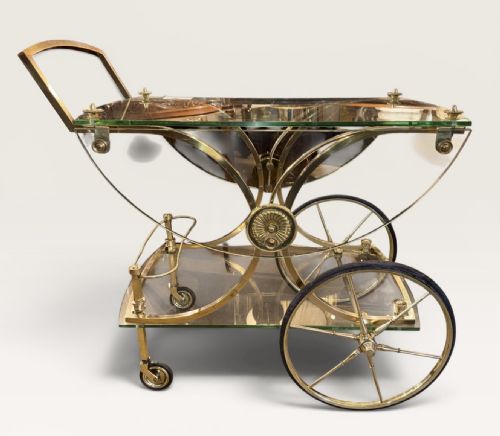
Displaying glasses on mirrored trays, inside walnut cabinets, or on dedicated drinks trolleys keeps them accessible while referencing their historical context. Adequate spacing prevents stemware from chipping against adjacent pieces.
Stable shelving protects tall stems and delicate silver-plated components from accidental knocks.