



Vintage Silver Drink Mixer
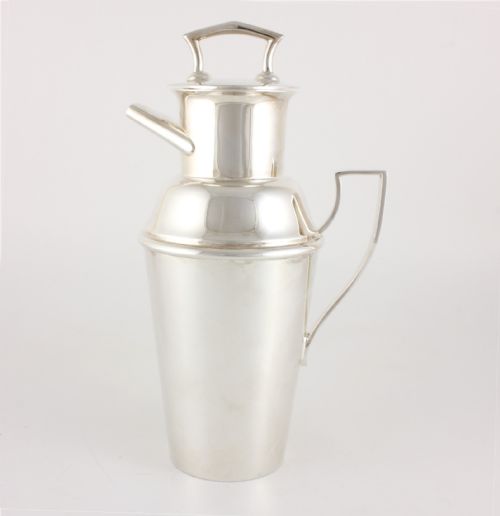
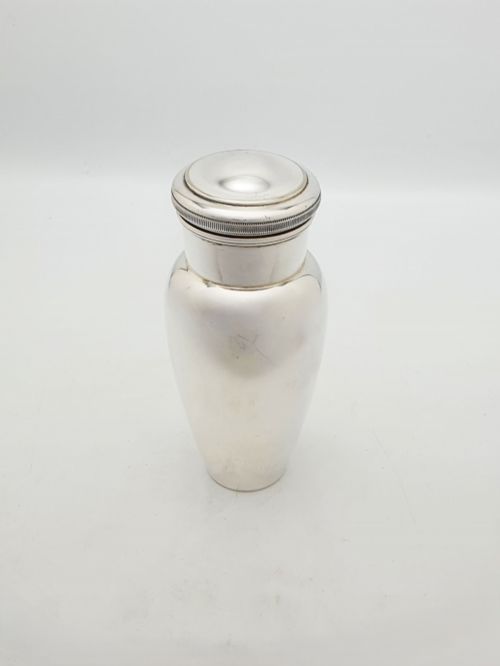
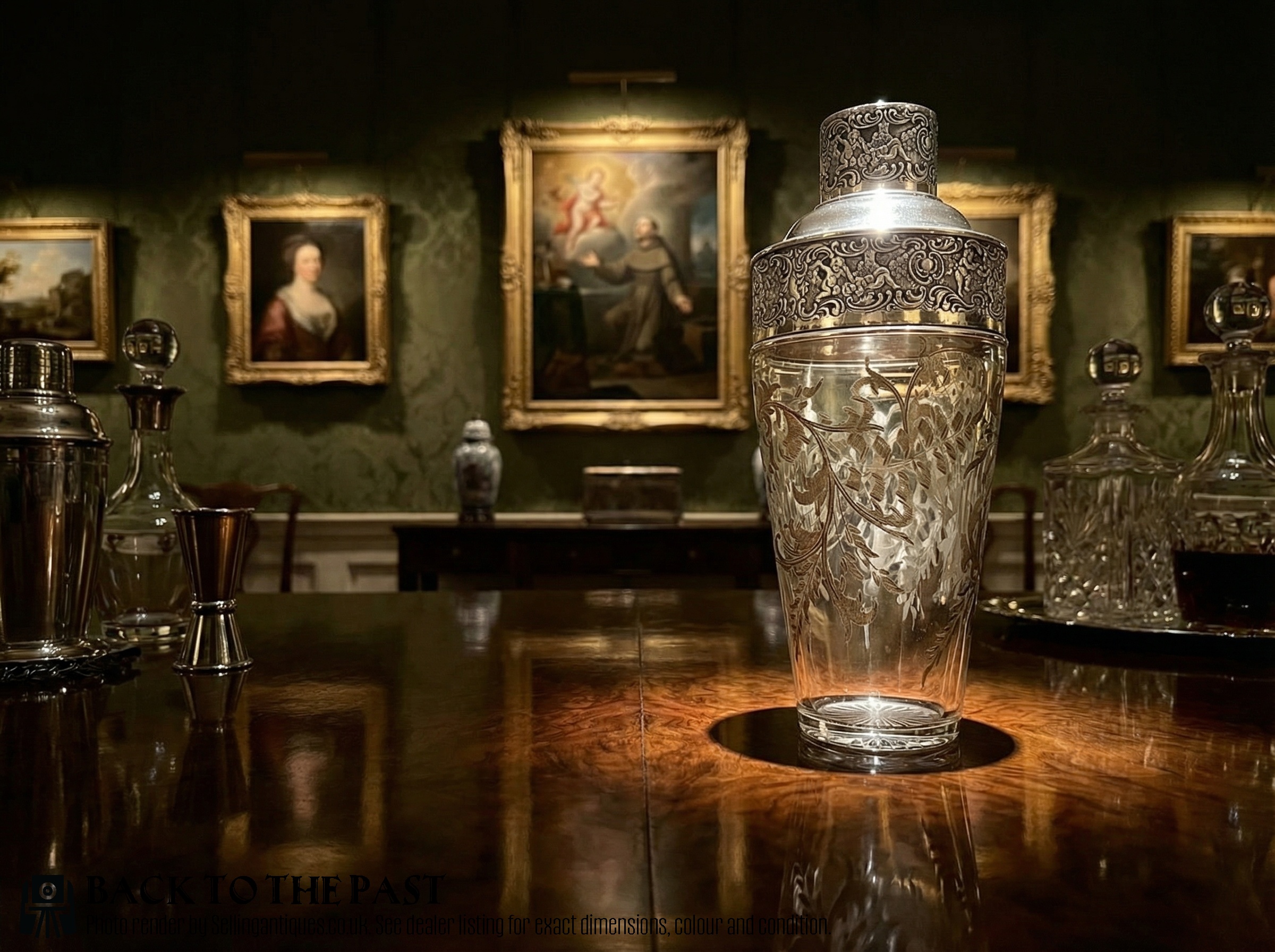
A vintage silver drink mixer brings genuine period character to any home bar, offering classic cocktail shakers from the early to mid-twentieth century.
What They Are
When searching for a vintage silver drink mixer, buyers find striking cocktail shakers and barware originating from several distinct eras spanning the twentieth century. These pieces encompass both simple utilitarian vessels and elaborate cocktail shakers designed for sophisticated entertaining.
The selections available here showcase notable international origins, including English, American, French, and Norwegian pieces. Collectors frequently encounter items representing distinct design movements such as Art Deco and Art Nouveau.
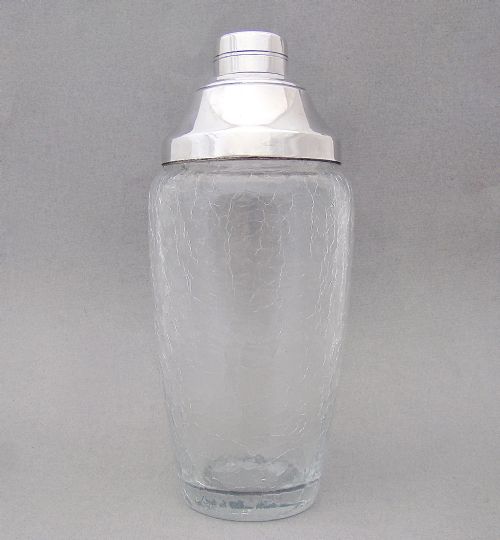
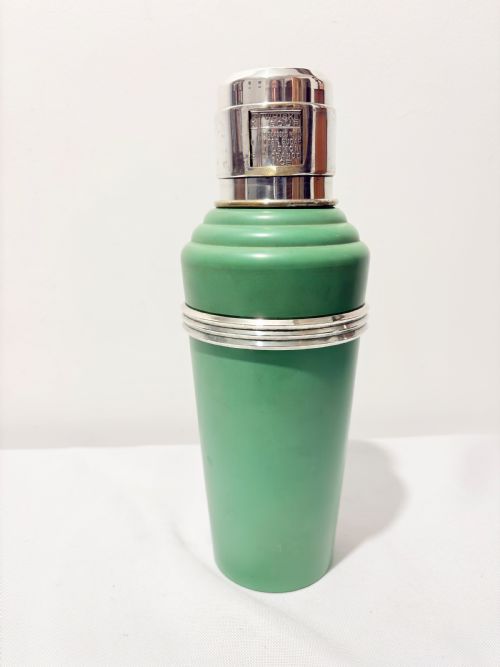
Forms vary from rotating recipe designs to large glass and sterling silver combinations and hammered silver plate sets. Each vintage silver drink mixer reflects the prevailing aesthetic and social habits of its specific decade.
How They Were Made
Maker construction methods utilise a combination of sterling silver, silver plate, metal, and glass. Artisans often combined these primary materials with vitreous enamel for added visual contrast.
Techniques such as hammering create distinctive surface textures on metal bodies, while specialised metalworking achieves complex rotating mechanisms. Guilloche enamel decoration adds intricate geometric patterns beneath translucent coloured glass-like coatings.
Retail Price Guide 2026
Typical UK retail prices for vintage silver drink mixer, calculated from the Sellingantiques database of over a million retail prices indexed since 2003. This retail price guide relies exclusively on Sellingantiques data; no external sources or auction records are used, so the figures do not describe the wider market.
Current listings span the 1900s through the 1950s, incorporating silver plate, sterling silver, glass, and vitreous enamel.
What Varies in Quality
Quality differences emerge through the choice of base materials, ranging from standard silver plate to solid sterling silver and combined glass elements. The inclusion of specialised decorative techniques like guilloche enamel elevates certain pieces significantly.
Design complexity also distinguishes standard examples from exceptional items, such as those featuring mechanical rotating recipes or works by known international makers. The precision of the metalwork and the integration of diverse materials dictate the overall standing of each piece.
David Andersen
The Vintage Silver Drink Mixer Glossary
- Cocktail Shaker
- A sealed container used to mix drinks by shaking, typically housing internal strainers or clever rotating recipe mechanisms.
- Silver Plate
- A base metal core coated with a thin layer of pure silver, offering the visual appeal of solid silver at a different scale.
- Sterling Silver
- An alloy of silver containing ninety-two point five percent silver by mass and seven point five percent other metals, valued for its durability and intrinsic composition.
- Guilloche Enamel
- A decorative technique where a precise pattern is mechanically engraved into metal beneath a translucent enamel coating.
- Art Deco
- A design style characterised by sleek geometric shapes, streamlined forms, and modern industrial influences popular during the early twentieth century.
Frequently Asked Questions
What materials make up these drink mixers?
The pieces utilise silver plate, sterling silver, metal, and glass across various construction methods. Some examples incorporate vitreous enamel details.
These diverse materials reflect the manufacturing standards of different periods throughout the twentieth century.
Which design styles appear in these pieces?
Examples frequently exhibit Art Deco and Art Nouveau aesthetics. These stylistic approaches influence the geometric lines and decorative surface patterns.
Such design markers help associate individual pieces with specific decades of production.
Where do these vintage mixers originate?
Items hail from multiple regions including England, America, France, and Norway. Each country's makers contributed distinct regional interpretations to the form.
International workshops brought unique material combinations and mechanical innovations to barware.
How do rotating recipe shakers function?
These specialised vessels feature movable outer bands or mechanisms that display cocktail ingredients as the surface turns. They combine practical drink preparation with instructional utility.
Such mechanical barware represents a distinct manufacturing approach from the mid-twentieth century.