



Vintage Norwegian Silver
Vintage norwegian silver brings together bright vitreous enamels and detailed metalwork from across the twentieth century, offering collectors miniature works of art.
Vintage Norwegian Silver
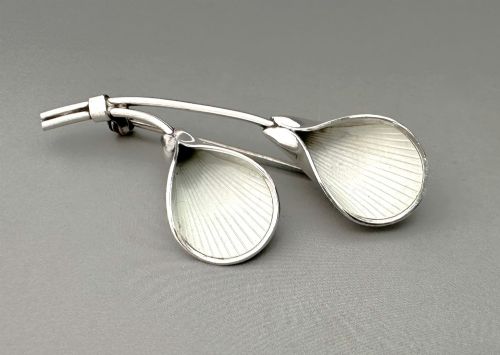
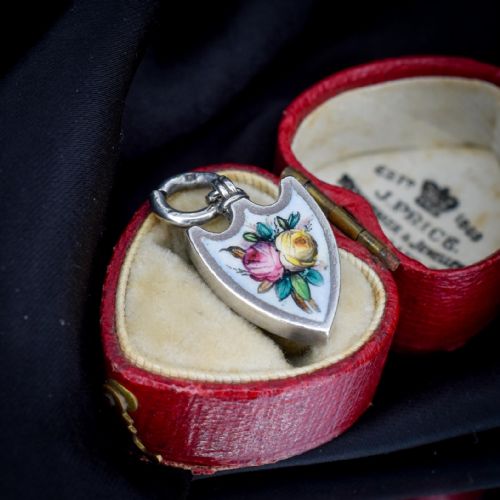
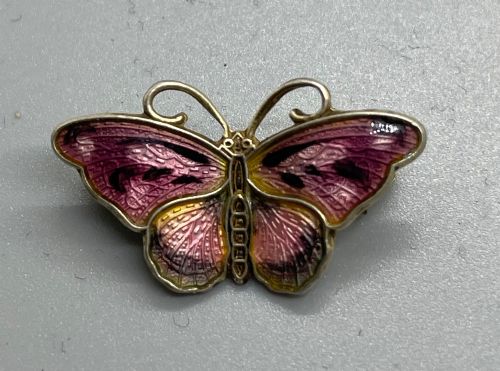
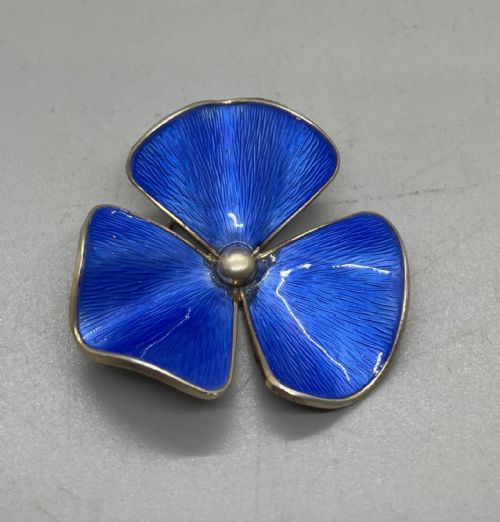
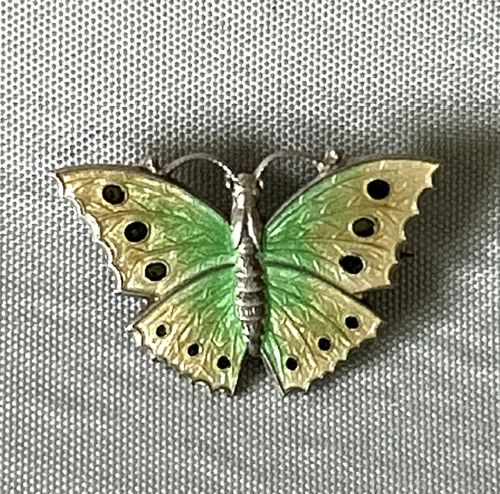
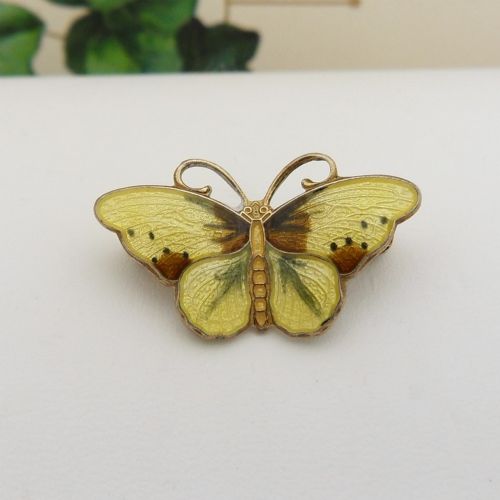
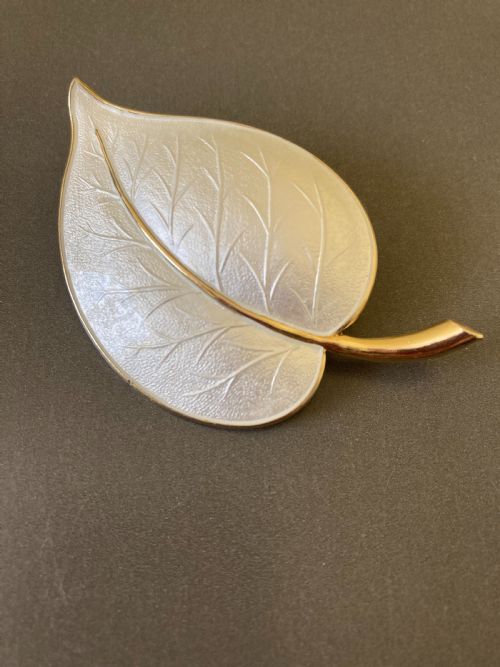
When you search for vintage norwegian silver, you encounter a distinct range of decorative accessories, tableware and jewellery produced across the twentieth century. Brooches dominate the selection, frequently taking the form of butterflies, leaves and floral motifs enhanced by coloured enamel.
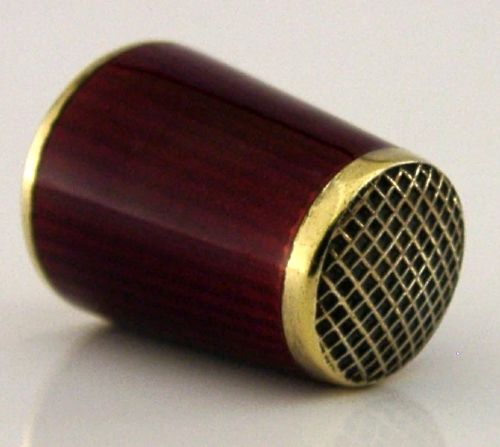
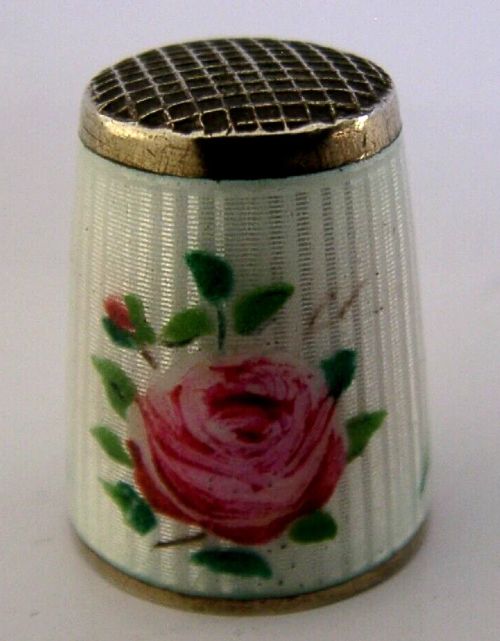
Beyond personal adornment, the selection includes functional items such as napkin rings, small dishes, cocktail shakers, caddy spoons and sewing thimbles. These pieces span periods from the early nineteen-hundreds through to the mid-century modern era and beyond.
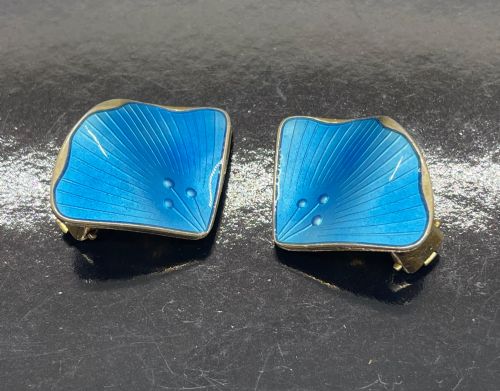
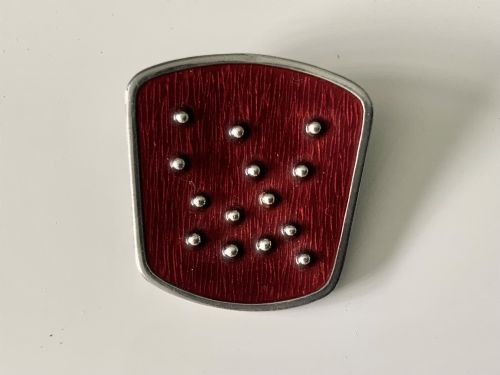
The most common items on this page are mid-century brooches and pendants reflecting Scandinavian modern design alongside earlier twentieth-century revival styles. These objects showcase the transition from intricate floral and fauna representations to clean, geometric forms.
Materials and methods of construction
Silversmiths constructed these items using sterling silver and solid silver, frequently applying a layer of gold gilt or gold vermeil to the base metal. This gilt layer intensifies the warmth of the underlying structure, particularly when viewed beneath translucent coloured enamels.
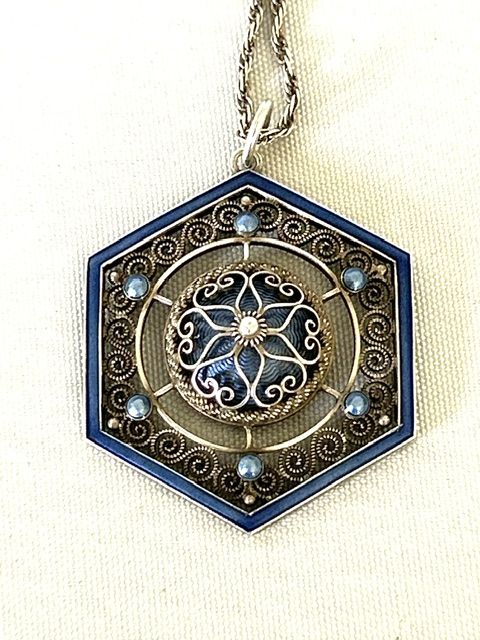
Enamelling serves as the defining decorative technique, combining standard vitreous enamel with intricate guilloche enamel featuring machine-turned underlying patterns. Artisans also utilised silver filigree work to form delicate openwork patterns on bracelets and charms.
The listings show a strong concentration of mid-century brooches alongside earlier twentieth-century napkin rings and spoons.
Understanding quality in the range
Quality in these pieces rests primarily on the crispness of the guilloche engraving and the evenness of the vitreous enamel application. Superior items display deep, translucent colour layers that reveal precise engine-turned geometric textures beneath without pooling or cloudiness.
The sophistication of the metalwork distinguishes finer examples, visible in the hand-finished details of silver gilt settings and complex filigree structures. Maker attribution and well-preserved mercury gilding further elevate the standing of individual pieces within the wider range.
Marius Hammer·Aksel Holmsen·David Andersen·Hroar Prydz·Hans Myhre·J Tostrup·Ivar T Holth·Theodore Olsen·OPRO
The Vintage Norwegian Silver Glossary
- Guilloche Enamel
- Enamel applied over metal that has been machined with an intricate geometric pattern. This technique creates a shimmering depth as light passes through the translucent glass layer.
- Silver Gilt
- Silver that has been coated with a thin layer of gold. This treatment provides a rich golden surface finish while retaining the structural properties of the silver underneath.
- Vitreous Enamel
- Glass powder fused to a metal surface through high-temperature firing. The resulting material forms a durable, glossy coloured coating.
- Silver Filigree
- Fine silver wire twisted and soldered into openwork lace patterns. Artisans often combine this delicate technique with enamel to form lightweight brooches and bracelets.
- Viking Revival
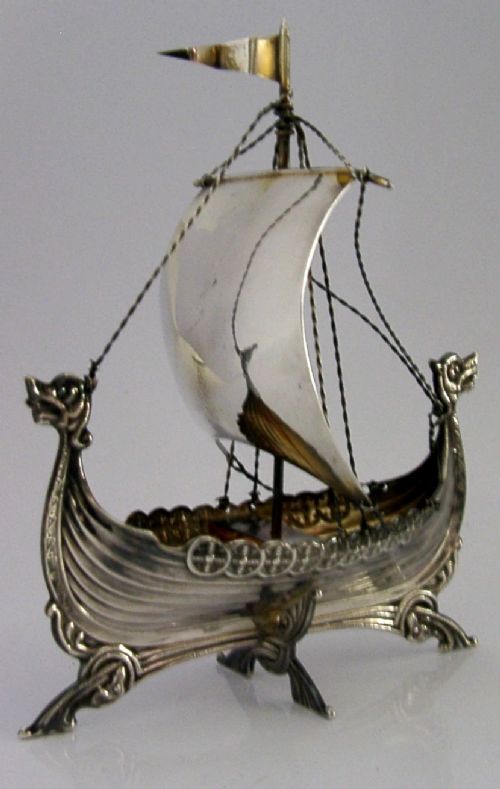
- A decorative style inspired by historical Norse artefacts and ornamentation. Pieces in this category typically feature heavy cast forms and traditional Scandinavian motifs.
Vintage Norwegian Silver: Frequently Asked Questions
How do I care for vintage enamel items?
Store your pieces away from direct sunlight and extreme temperature shifts to protect the glass enamel from stress. Clean them gently with a soft, dry cloth rather than liquid chemical dips that can damage the metal and enamel joints.
Avoid wearing enamel brooches and bracelets during physical activities or exposing them to household detergents. Treating these items as delicate works of art preserves their vibrant colour and structural integrity over time.
How do I identify a maker mark?
Look for small stamped initials or symbols on the reverse side of the silver mounting. Makers such as David Andersen and Aksel Holmsen typically applied distinct workshop punches alongside silver purity numbers.
Many pieces also feature standard numerical stamps like 925s to indicate sterling silver content. A magnifying glass helps reveal these tiny hallmarks hidden near the clasp or edge of the object.
What is silver gilt?
Silver gilt is solid silver coated with a fine layer of real gold. This process combines the durability and weight of silver with the rich appearance of gold.
In Norwegian pieces, gilding was frequently applied to the interior of spoons and napkins rings or used to highlight enamel brooches. The golden tone contrasts sharply with bright blue, red and white enamel work.
How do I date these pieces?
Dating relies on stylistic shifts, design registration marks and known active periods of specific silversmiths. Early twentieth-century items often lean towards intricate Art Nouveau and Viking Revival aesthetics.
Mid-century pieces shift towards clean Scandinavian modern forms and stylised flora or fauna. Comparing the maker's mark and fastener type against known production timelines helps narrow down the decade of manufacture.