



Antique Cocktail Shaker
When you handle an antique cocktail shaker, you hold the spirit of twentieth-century hospitality in metal and glass.
Antique Cocktail Shaker
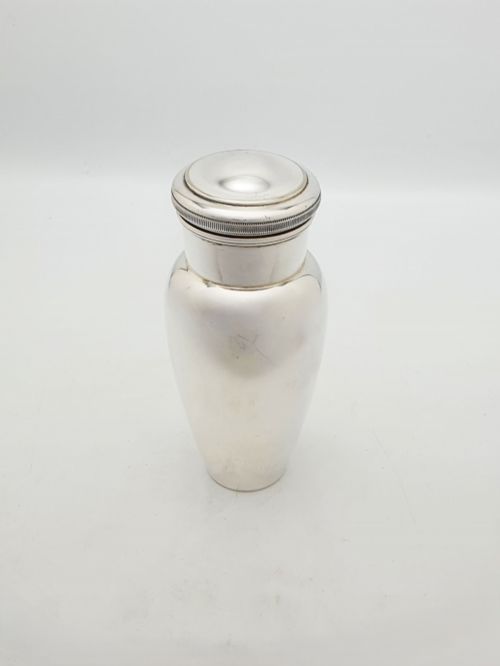
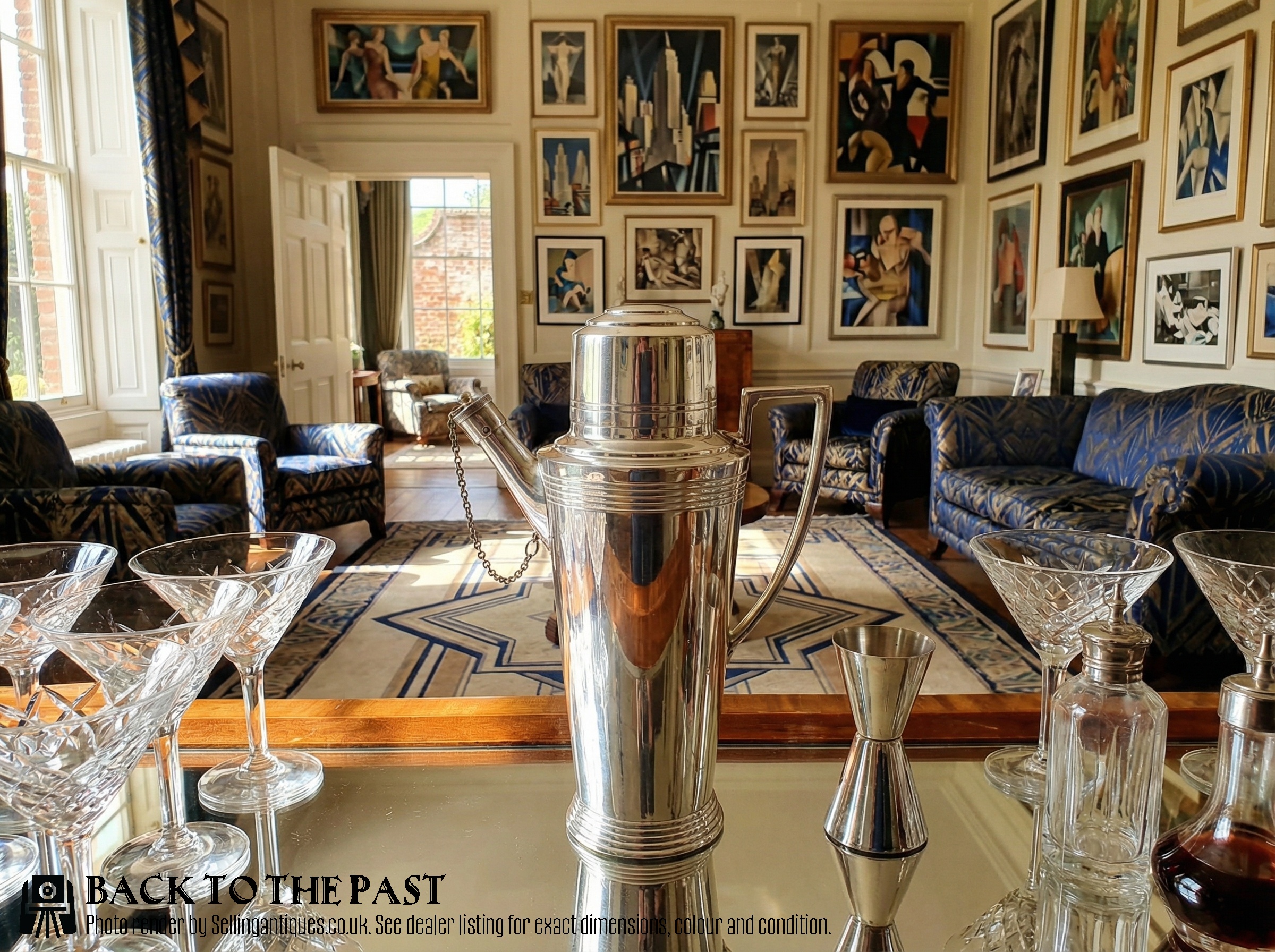
An antique cocktail shaker brings functional barware into the domestic setting, emerging primarily from the early decades of the twentieth century. These vessels reflect a shift towards social drinking and home entertainment during the interwar years.
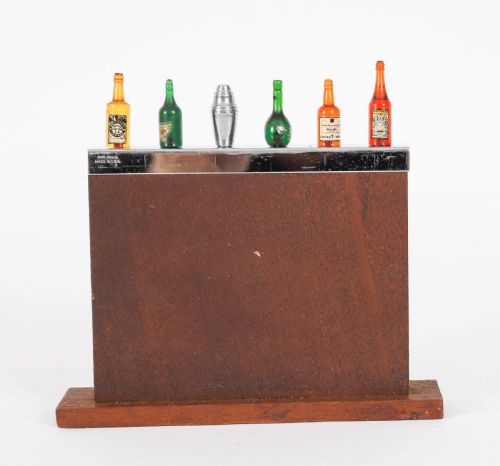
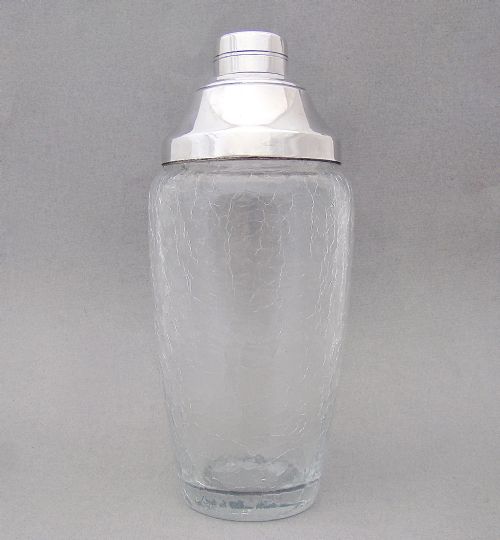
The most common form on this page is the silver-plated metal cylinder shaped by the design movements of the period. Makers also produced examples in glass, sometimes combining materials with cork or wood to create practical bar accessories.
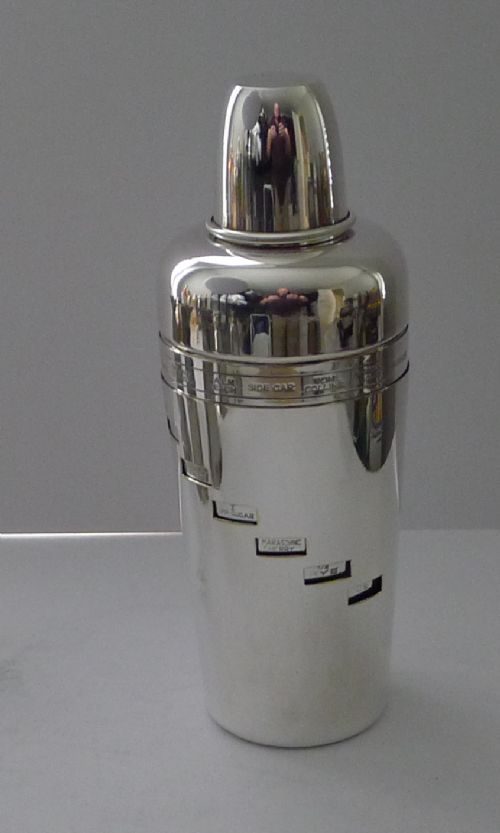
Many items incorporate functional additions such as built-in lemon squeezes, ice breakers, or rotating recipe mechanisms. These variations turn a simple pouring vessel into an interactive piece of social history.
How they were made
Silversmiths utilised electroplated nickel silver and sterling silver to form the body of the vessels, often applying engine-turned patterns to the exterior metal surface. Glass sections were blown and cut, then fitted with metal mounts and cork stoppers.
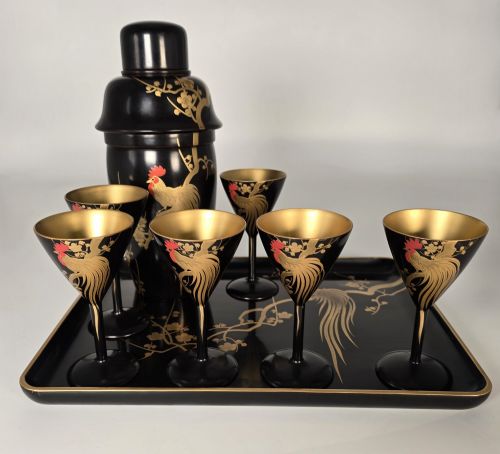
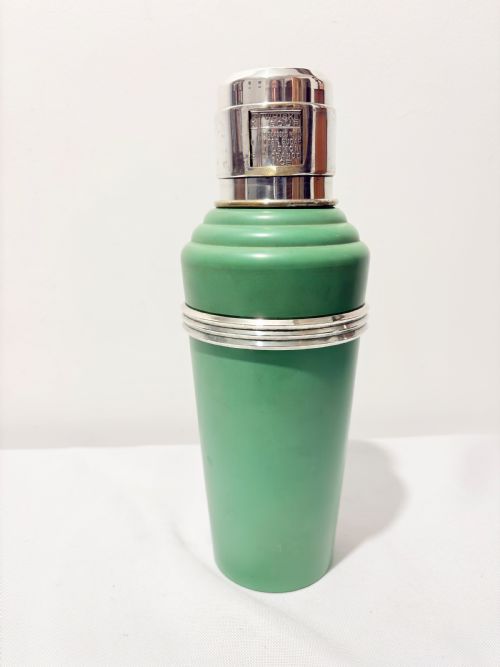
Makers shaped metal sheets through spinning and stamping before assembling spouts, handles, and lids by hand. Enamel work, hand-painted lacquer, and Bakelite components added colour and texture to the finished barware.
Antique Cocktail Shaker Retail Price Guide 2026
Typical asking prices for cocktail shaker among the pieces listed under this phrase on Sellingantiques today, from the lower quarter to the upper quarter. They describe what is for sale here now, not the wider market.
Some models feature built-in cocktail recipes on rotating metal bands, solving the eternal debate over vermouth ratios.
What varies in quality
Quality rests in the precision of the mechanical elements, such as the smooth rotation of recipe dials and the tight fit of removable lids and squeezers. Substantial gauge metal and heavy glass provide a satisfying weight in the hand that lighter pieces lack.
The distinction between standard commercial production and finer output lies in the crispness of the engine-turned engraving and the integrity of the silver plating over the base metal. Maker attribution also separates workshop output from anonymous manufacturing.
Asprey & Co·Keith Murray·Hukin & Heath·J. B. Chatterley & Sons·James Dixon & Sons·William Suckling·Adie Brothers·Mappin & Webb·Elkington & Company
The Antique Cocktail Shaker Glossary
- Electroplated Nickel Silver
- A base metal alloy of copper, nickel, and zinc coated with a layer of silver through an electrolytic process. This technique provided a durable silver finish at a lower cost than solid sterling.
- Engine-Turned
- A decorative technique involving precise geometric patterns cut mechanically into metal surfaces. This method creates a textured finish that catches the light during use.
- Bakelite
- An early synthetic thermosetting plastic used for handles, knobs, and decorative accents. It appeared frequently on items produced during the nineteen-thirties.
- Cobbler Shaker
- A three-piece container consisting of a base, a built-in strainer lid, and a cap. This design remains a standard configuration for home barware.
- EPNS
- An abbreviation for electroplated nickel silver, commonly found stamped on the base of metal barware from the twentieth century.
Antique Cocktail Shaker: Frequently Asked Questions
How do I use an antique shaker?
These vessels function similarly to modern barware, though older seals require gentle handling to prevent leaks during vigorous movement. Fill the chamber with ice and spirits, secure the cap, and pour through the integrated strainer.
Take care with internal components like built-in squeezers or rotating rings, ensuring they are rinsed and dried thoroughly after each use to protect the original materials.
What periods do these pieces span?
The selection covers the late nineteenth century through the mid-twentieth century, with a heavy concentration in the nineteen-twenties and nineteen-thirties. Art Deco and Modernist aesthetic influences dominate the timeline.
Earlier examples from the Edwardian era lean towards traditional cut crystal and silver mounts, while later decades introduce colourful Bakelite and mechanical recipe drums.
How do I clean silver-plated barware?
Wash the metal surfaces gently using warm water and mild soap, avoiding abrasive cloths that might wear away thin plating over time. Dry the pieces immediately to prevent water spots on the exterior finish.
Keep glass sections clean and check that cork stoppers or gaskets remain pliable without retaining moisture inside the closed vessel.
What is a milk churn shaker?
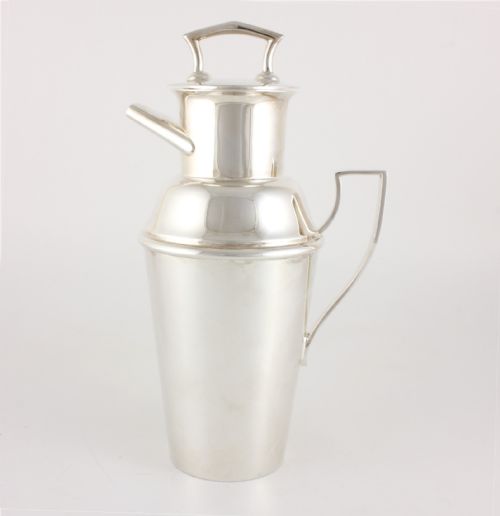
This descriptor refers to a specific shape mimicking the silhouette of a traditional agricultural milk container, popularised during the Art Deco period. The form offers a sturdy, ergonomic grip for the bartender.
Designers like Keith Murray utilised this industrial shape to create clean lines in silver-plated metal.