




Antique Cordial Glasses
These antique cordial glasses are small drinking vessels designed for spirits and liqueurs, prized by collectors for their delicate stems and historical glassmaking techniques.
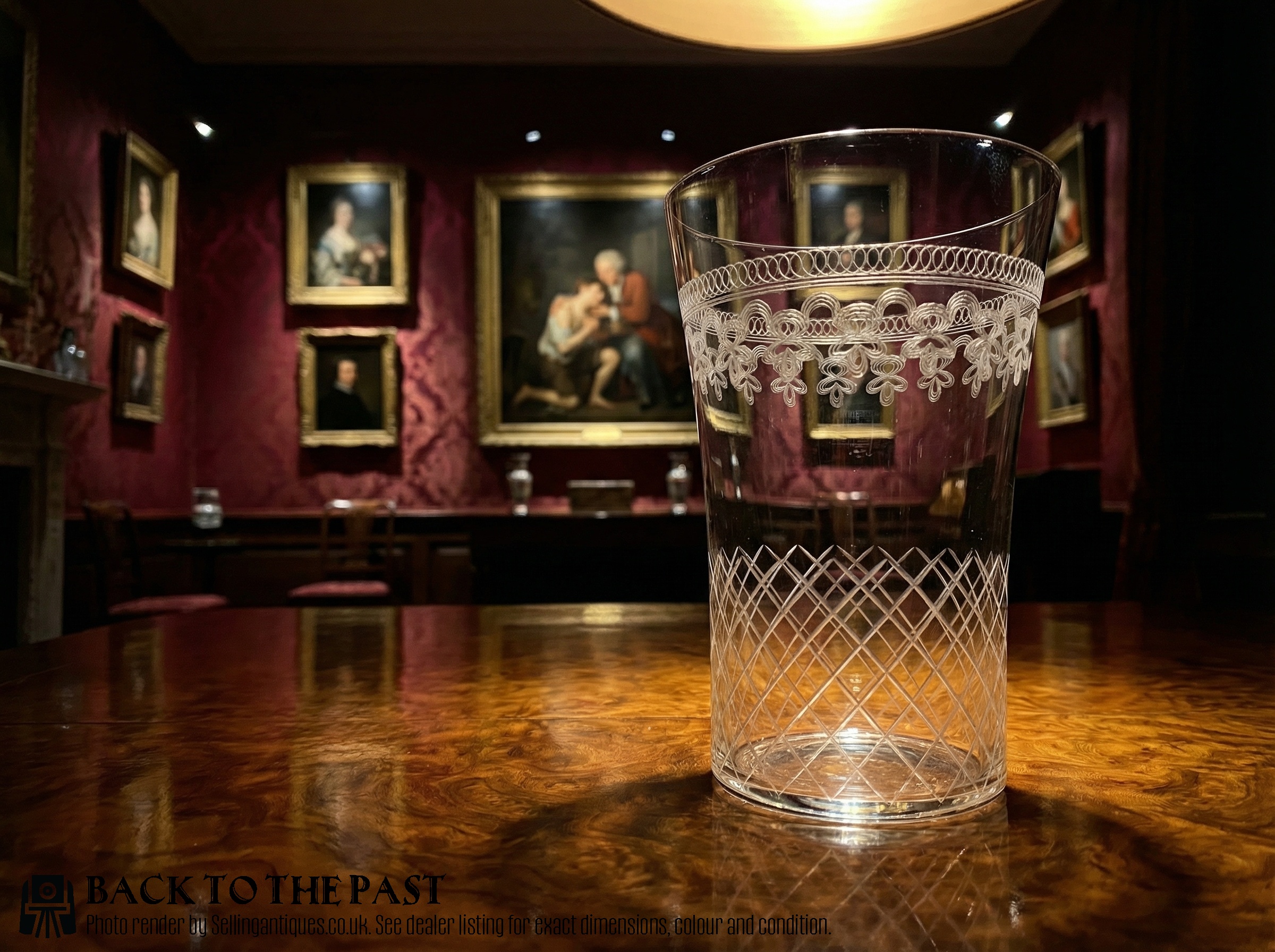
Antique Cordial Glasses
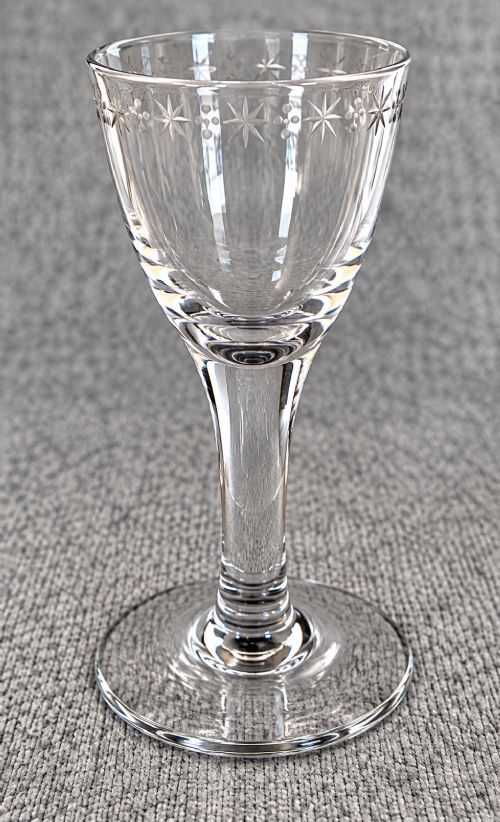
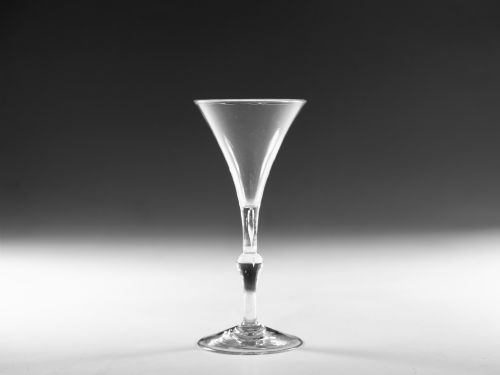
When you search for antique cordial glasses, you encounter small drinking vessels designed for drams, liqueurs and spirits. The selection spans the eighteenth century through to the Edwardian period and the nineteen-twenties, incorporating styles from George II to Art Deco.
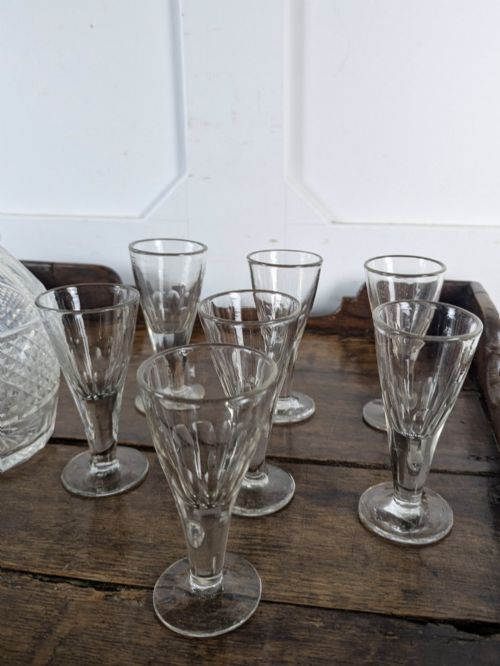
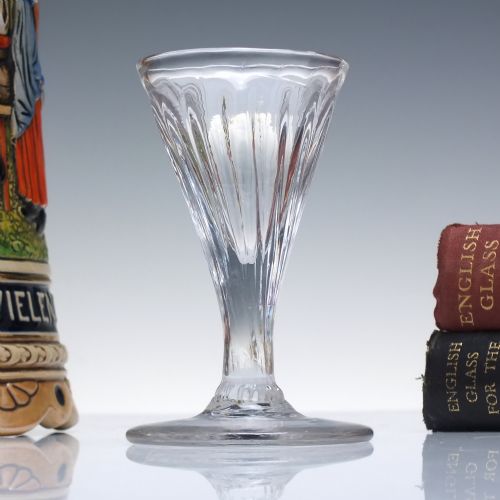
The most common forms on this page are eighteenth-century dram and cordial glasses, often featuring slender bowls on complex stems. Alongside these sit later Victorian, Edwardian and twentieth-century examples, including sets of thumb-cut sherry flutes and liqueur glasses.
How they were made
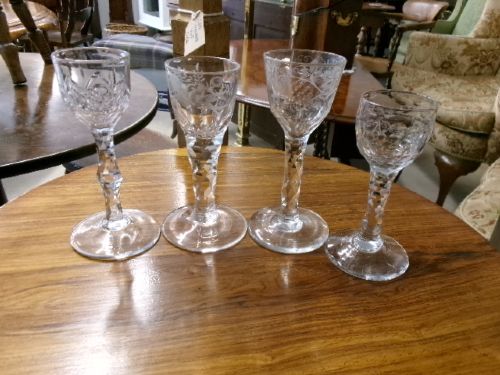
These pieces are fashioned from lead glass, clear glass, lead crystal and flint glass, shaped through hand blowing and rib moulding. Makers utilised techniques such as facet cutting, engraving and white enamel decoration to adorn the bowls and stems.
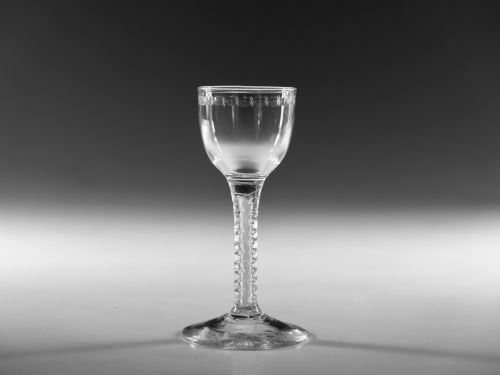
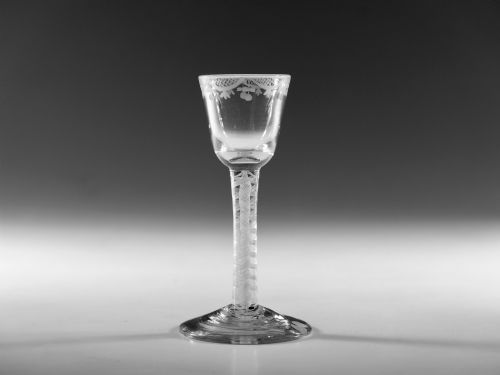
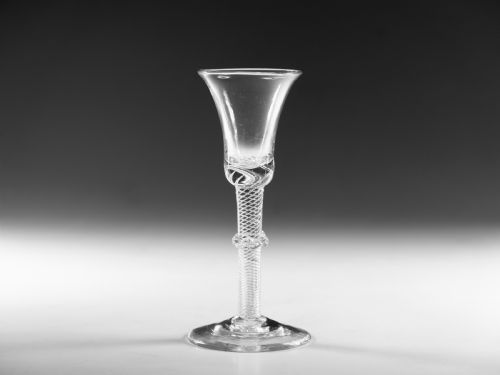
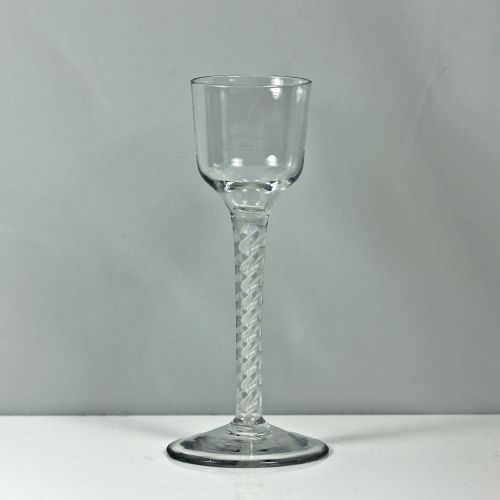
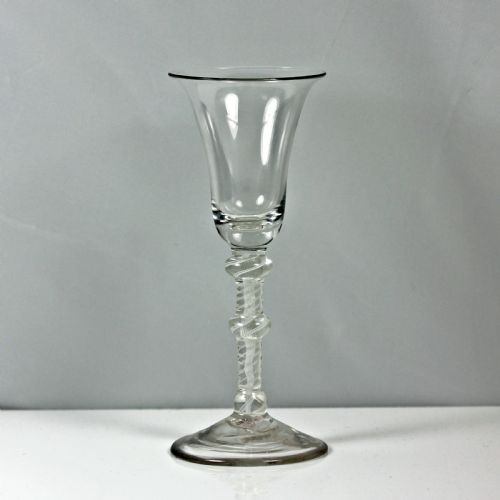
Stem construction defines much of the production, utilising air twists, mercury twists, opaque twists, baluster forms and plain stems. Many early examples incorporate structural details like folded feet and basal bubbles to add stability and weight to the vessel.
Antique Cordial Glasses Retail Price Guide 2026
Typical asking prices for cordial glasses among the pieces listed under this phrase on Sellingantiques today, from the lower quarter to the upper quarter. They describe what is for sale here now, not the wider market.
Some eighteenth-century drinkers relied on toastmaster glasses, built with deceptive bowls that held almost nothing so hosts could stay sober while guests drank.
What varies in quality
Quality rests in the precision of the glassmaker's hand, seen in the regularity of an air twist or the crispness of facet cutting along a stem. Early examples with balanced proportions and original folded feet demonstrate superior workshop skill.
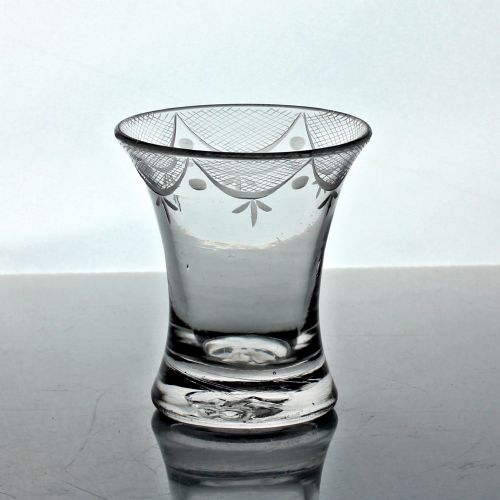
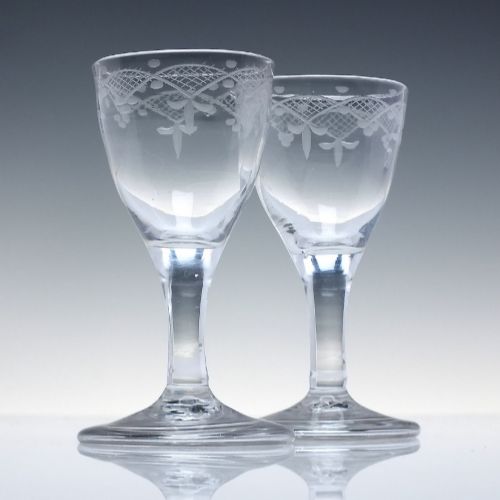
The clarity of the metal and the fineness of the engraving, whether floral swags or geometric cuts, separate ordinary utility vessels from masterworks. Intricate double series opaque twists and undamaged enamelling elevate the standing of a piece considerably.
Theresienthal
The Antique Cordial Glasses Glossary
- Air twist
- A decorative stem formation enclosing elongated spiral threads of air trapped within the glass. This technique requires exceptional skill during the drawing of the stem.
- Baluster
- A heavy, thick stem style popular in early glass, characterised by knops and swelling profiles inspired by architecture. It gives a sturdy weight to the drinking vessel.
- Folded foot
- A base edge turned underneath and pressed flat to create a double layer of glass around the perimeter. This prevents chipping and adds structural reinforcement.
- Opaque twist
- A stem containing white enamel threads drawn into spirals or lace patterns inside clear glass. These milky filaments create a striking contrast against the bowl.
- Ratafia glass
- A tall, narrow vessel specifically designed for sweet fruit cordials flavoured with almonds or fruit kernels. The slender bowl restricts the volume consumed of these potent drinks.
Antique Cordial Glasses: Frequently Asked Questions
What is a dram glass?
A dram glass is a small, historical vessel intended for a single measure of neat spirits like whisky or gin. Their compact capacity reflects the potency of the liquors consumed in past centuries.
These pieces typically date from the Georgian era and feature sturdy stems or plain bowls designed for everyday tavern or domestic use.
Were these glasses used for wine?
While many historic drinking glasses served multiple purposes, dedicated cordial and dram glasses have noticeably smaller bowls than standard wine glasses. The reduced size accommodated strong spirits, liqueurs and fortified wines.
Larger variations on this page functioned as wine glasses or toasts, while narrow bowls remained reserved for potent drams.
What makes a folded foot important?
A folded foot provides extra rim strength on delicate drinking vessels by doubling the thickness of the glass at the base. This method protected vulnerable edges from chipping on hard wooden tables.
Its presence often indicates an earlier manufacturing date, as the practice became less common in later centuries.