


Art Deco Bronze Figure
When acquiring an art deco bronze figure, you invite the stylised energy of the interwar period into a room.
Art Deco Bronze Figure
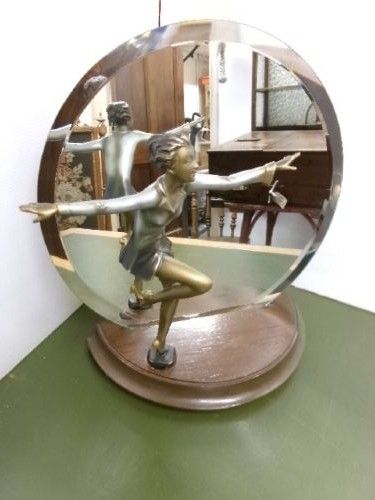
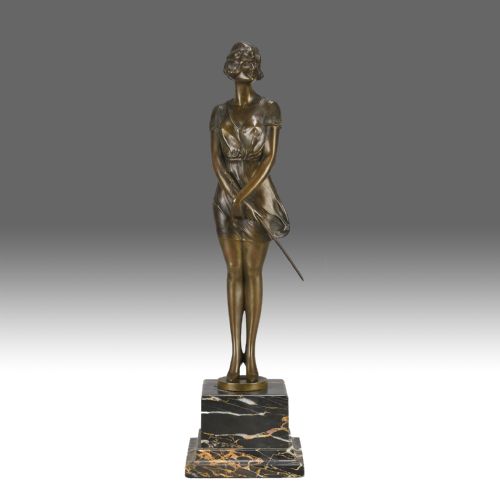
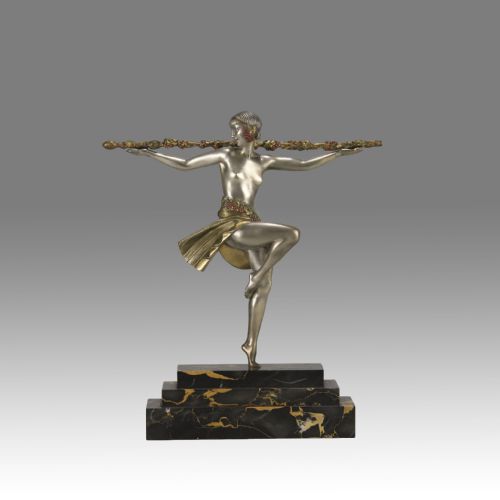
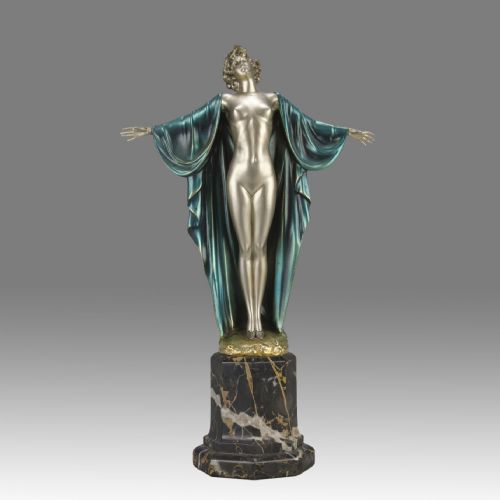
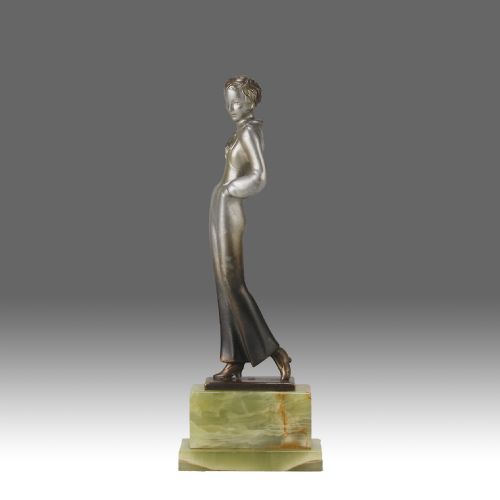
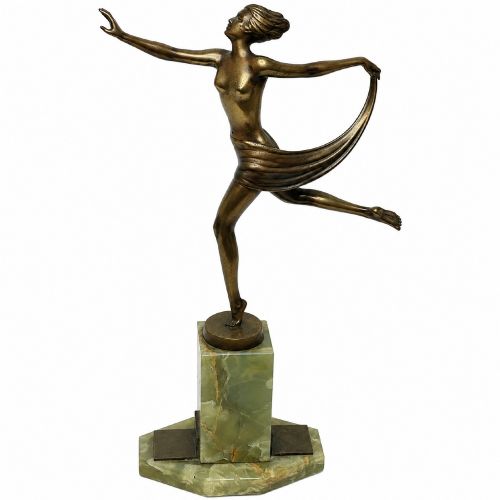
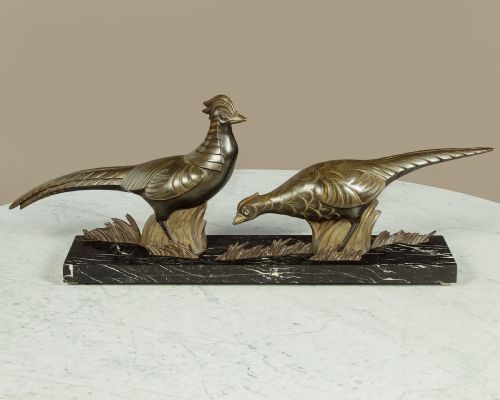
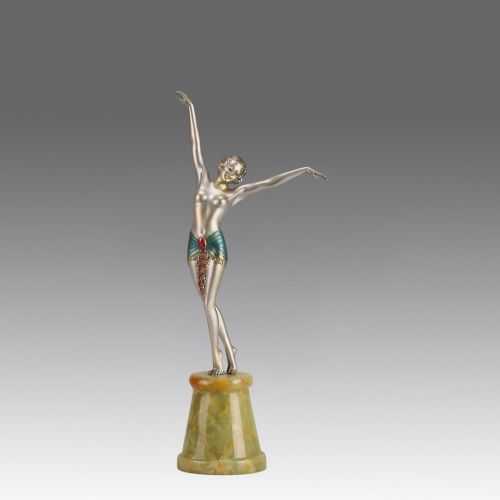
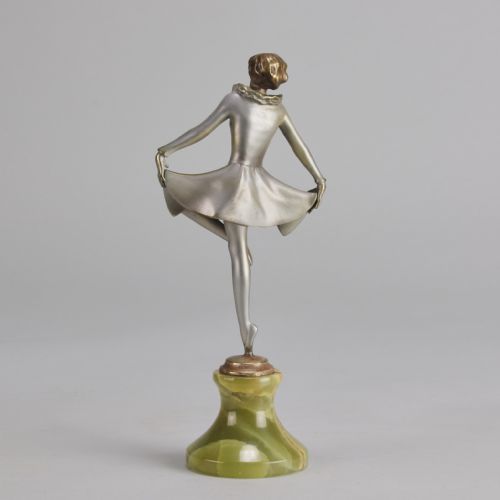
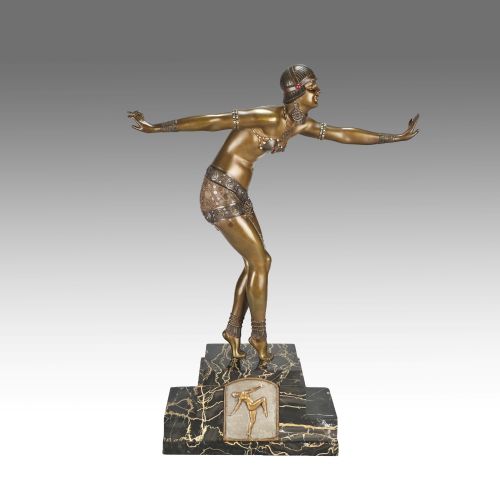
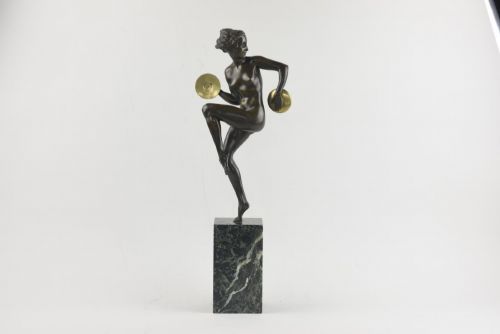
An art deco bronze figure captures the dynamic spirit of the nineteen-twenties and nineteen-thirties, typically depicting dancers, athletic figures, and stylised animals. These sculptures emerge from French and Austrian workshops, reflecting the modernist fascination with movement, speed, and sleek geometric forms.
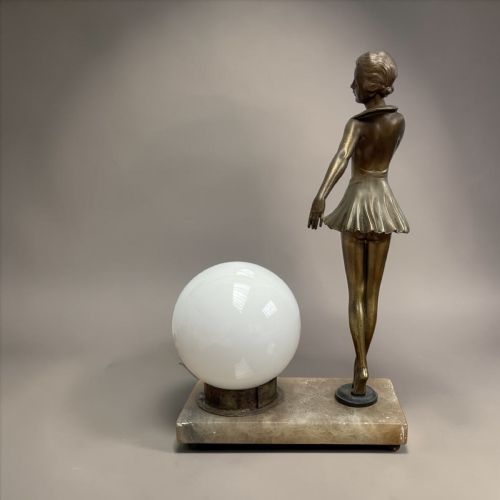
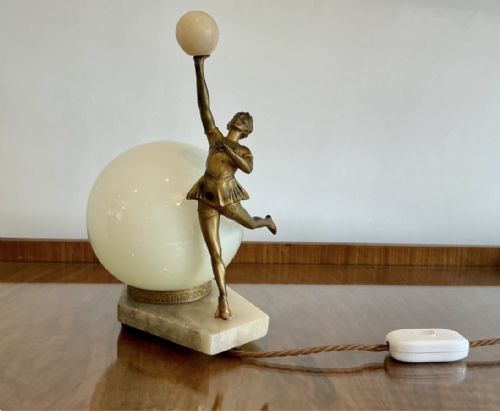
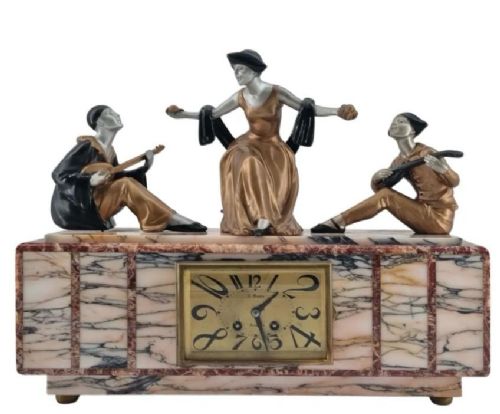
Buyers encounter numerous female dancers with outstretched arms, alongside sporting figures such as tennis players, ice skaters, and hunters. Many of these pieces integrate functional elements, serving as table lamps, mantel clocks, or advertising displays alongside traditional tabletop sculptures.
The dominant aesthetic draws upon theatrical performance, cabaret culture, and classical athleticism translated into modern shapes. While the majority originate from the interwar decades, related material stretches from nineteen-twenty through to later twentieth-century interpretations.
How They Were Made
Mounting formed an essential final stage, with figures securely bolted to heavy bases fashioned from black or multi-coloured marble and onyx. Some specialised works combined cast metal with carved ivory or inset glass panels to create contrasting textures.
Art Deco Bronze Figure Retail Price Guide 2026
Typical asking prices for art deco bronze figure among the pieces listed under this phrase on Sellingantiques today, from the lower quarter to the upper quarter. They describe what is for sale here now, not the wider market.
Listings demonstrate a strong preference for female dancers and athletic figures cast in bronze or spelter, anchored on marble bases.
What Varies in Quality
Quality rests upon the crispness of the casting and the precision of the chasing work done after the metal cooled from the mould. Superior examples retain sharp facial expressions, clearly defined fingers, and undisturbed cold-painted or patinated surfaces.
The choice of plinth material and the integration between figure and base dictate the overall success of the piece. Dense, well-finished marble or onyx mounts matched with signature or foundry marks elevate the standing of the sculpture.
Bruno Zach·Pierre le Faguays·Ferdinand Preiss·Josef Lorenzl·Demetre Chiparus·Claire Jeanne Roberte Colinet·Paul Philippe
The Art Deco Bronze Figure Glossary
- Cold-painted bronze
- A technique where oil paint is applied to a cold metal surface rather than fired in a kiln. This method demands careful hand application to achieve vibrant polychrome effects on garments and skin.
- Spelter
- A zinc alloy utilised as a cheaper alternative to bronze during the period. It accepts patination and metallic paint finishes well, though it is softer and lighter than cast bronze.
- Animalier
- A genre dedicated to the realistic or stylised portrayal of animals. Sculptors in this tradition focused on the muscular forms and natural movement of birds and hounds.
- Patination
- The chemical treatment applied to metal surfaces to produce deliberate colours and tones. This process protects the bronze while enhancing the visual depth of the drapery and musculature.
- Chasing
- The manual refinement of a raw metal casting using chisels and punches. Skilled artisans used this step to sharpen lines and remove surface blemishes left by the foundry mould.
Art Deco Bronze Figure: Frequently Asked Questions
How do I identify a genuine period piece?
Examine the weight, the crispness of the chasing on the metal, and the material of the base. Period pieces utilise heavy bronze or spelter mounted on authentic interwar marble or onyx plinths.
Look for artist signatures or foundry stamps inscribed directly into the metal rather than stamped loosely. Contemporary reproductions often lack the sharp detailing and heavy material density found in nineteen-twenties and thirties castings.
What is the difference between bronze and spelter?
Bronze is a durable copper alloy that provides superior strength, heavy weight, and a rich foundation for patination. Spelter is a softer zinc-based alternative that was frequently employed to produce more affordable figures during the era.
Underneath worn paint, spelter reveals a greyish, lightweight metal compared to the reddish-brown hue of underlying bronze. Both materials received similar artistic treatments, but bronze commands greater regard among collectors.
Where should I display a figure at home?
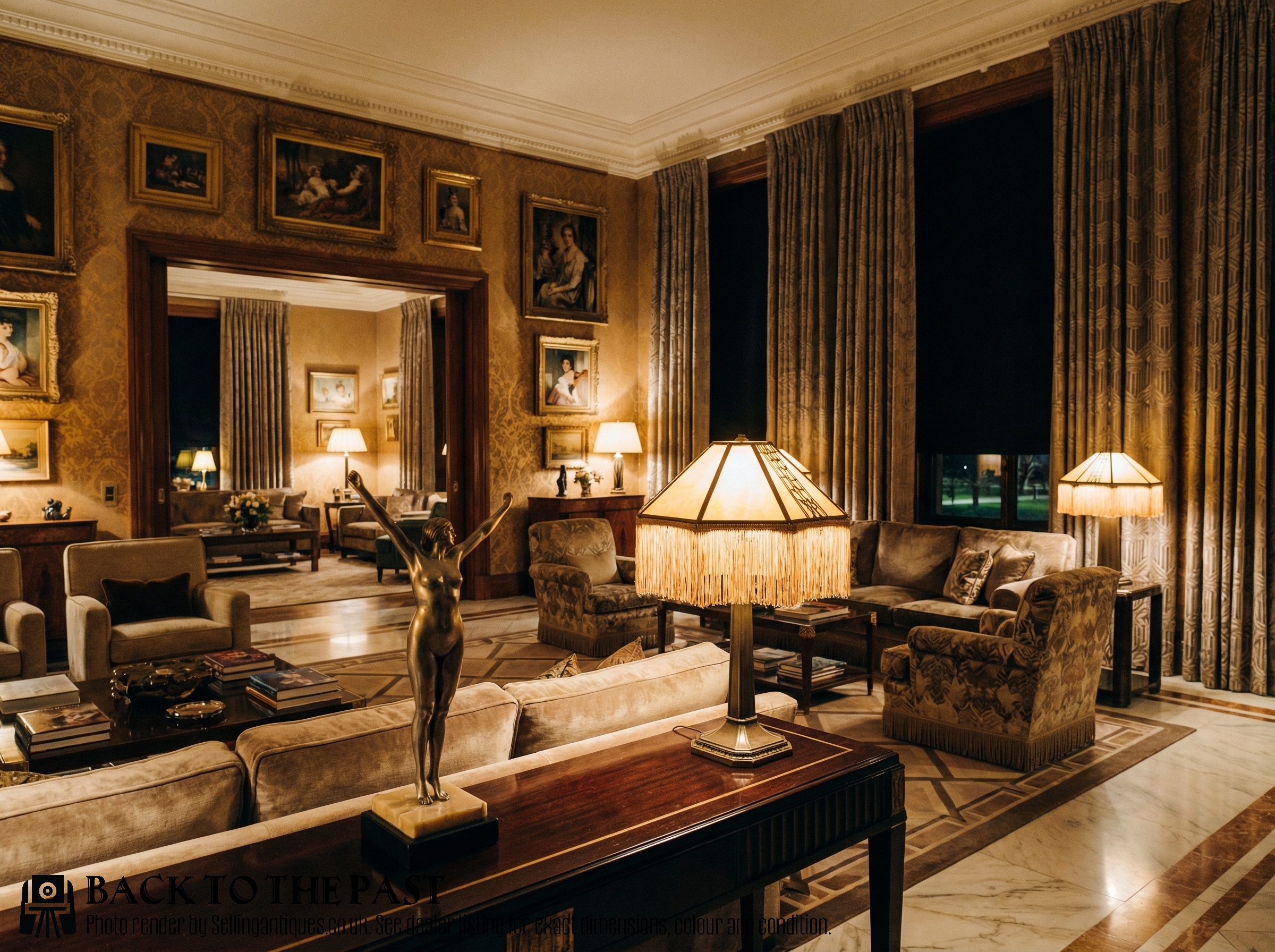
Position sculptures on sturdy mantelpieces, sideboards, or dedicated display tables where adequate lighting highlights the patination and dynamic silhouette. Ensure the piece sits away from direct heat sources and strong moisture.
Because many examples incorporate delicate marble plinths or cold-painted surfaces, stable placement prevents accidental knocks. Lamp variants function effectively as accent lighting in living spaces.
Why are dancers such a common subject?
The interwar era celebrated movement, modern dance, and theatrical performance through cabaret and international touring acts. Sculptors sought to capture the kinetic energy and fluid costumes of famous dancers of the day.
This cultural obsession translated into numerous figurines depicting ballet, exotic, and athletic dance forms. The sweeping lines of flowing dresses suited the curving geometries of the design movement.