


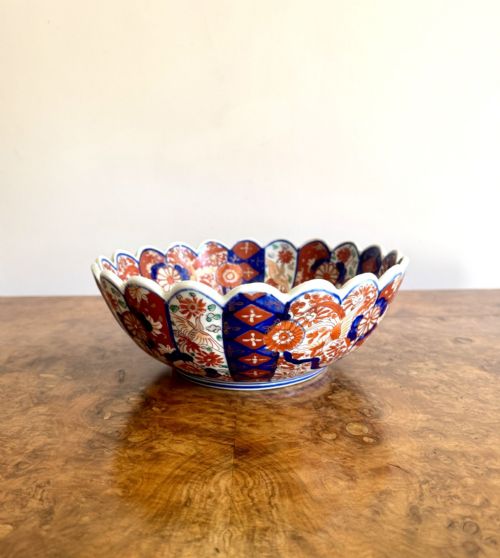

Arita Imari Ware
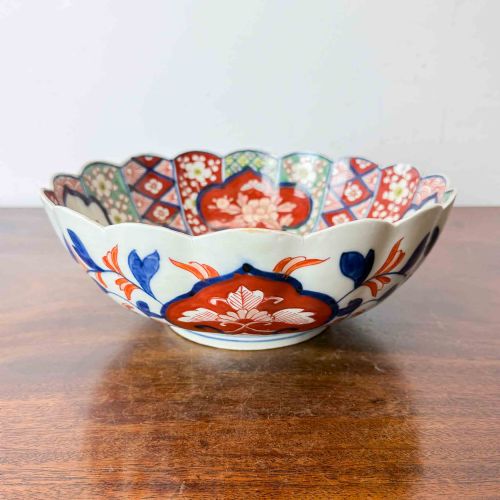
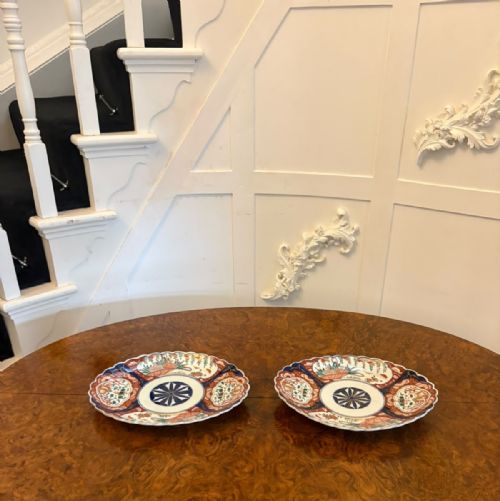
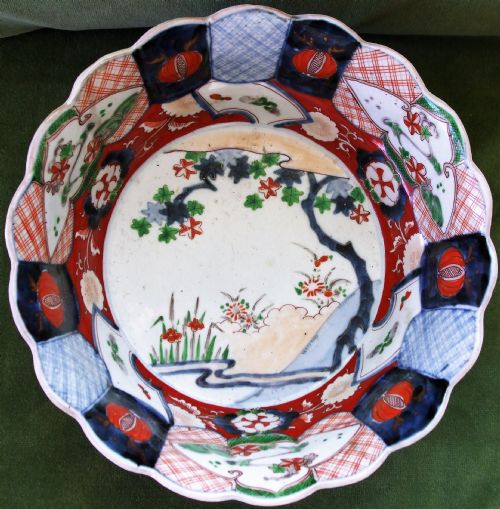
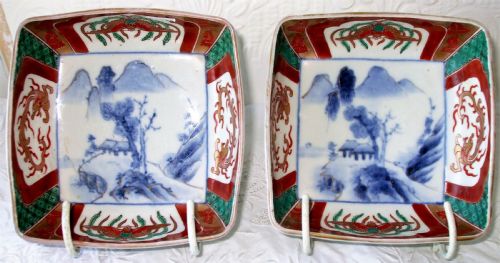
These pieces of arita imari ware span the Edo, Meiji, and Taisho periods, offering porcelain painted with enamels and gilding for decorative display.
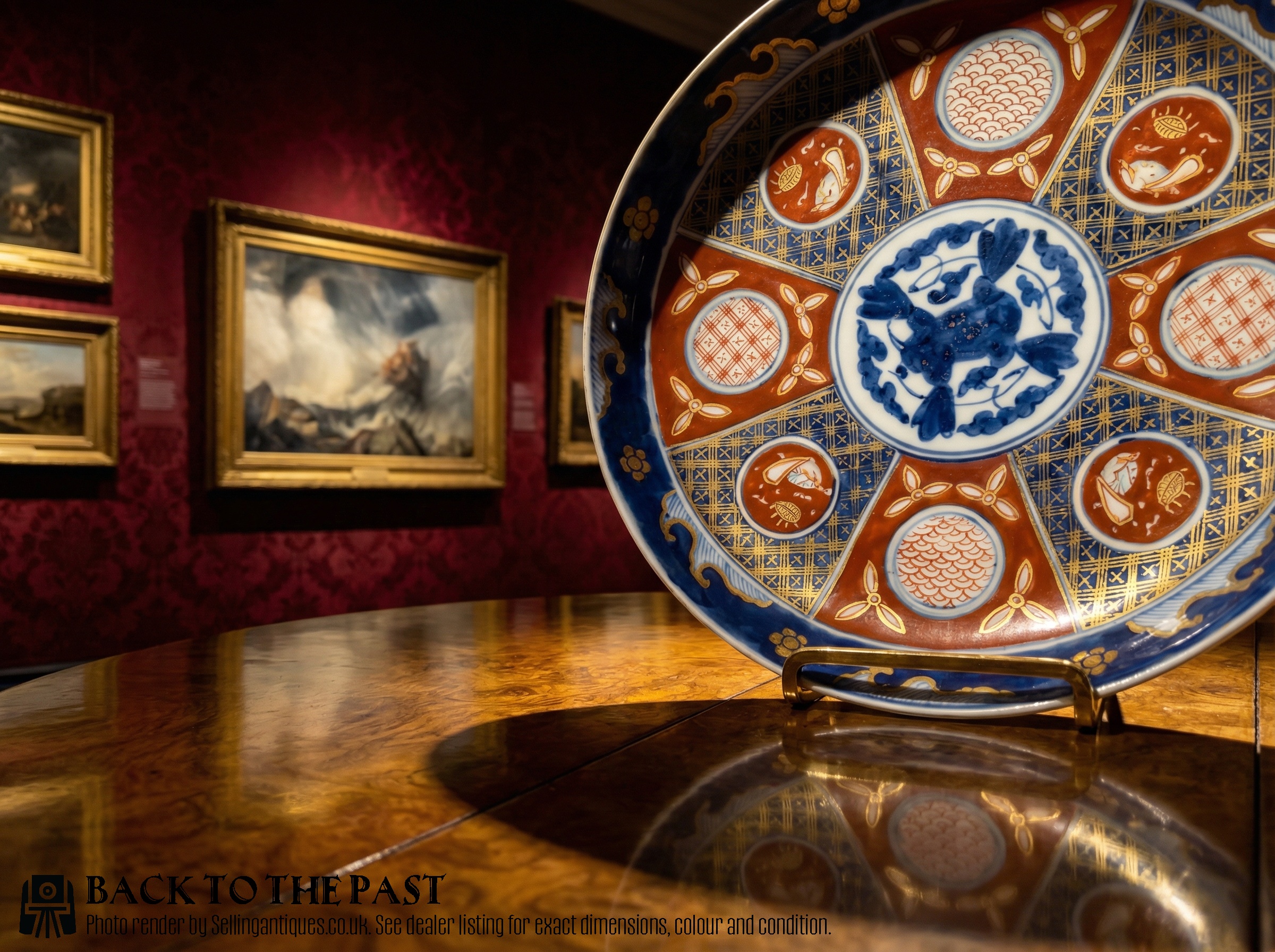
Arita Imari Ware
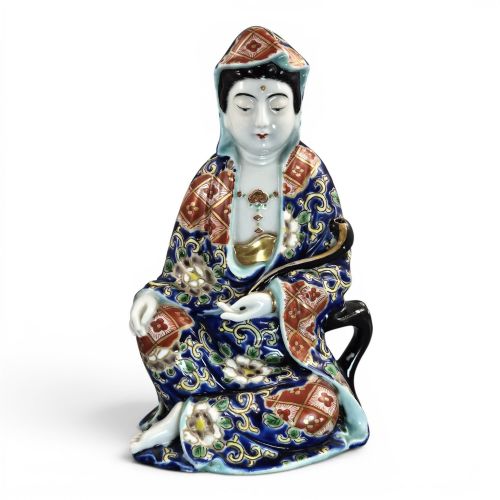
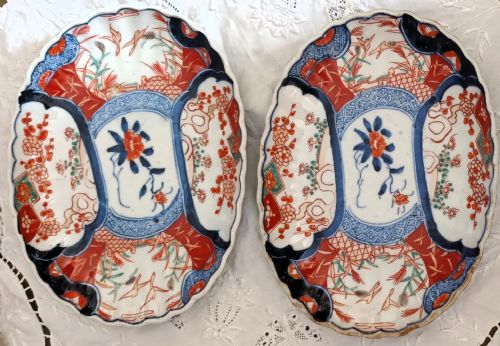
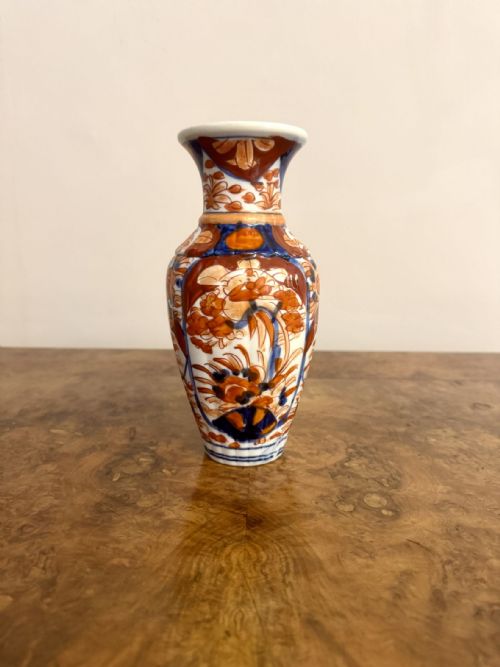
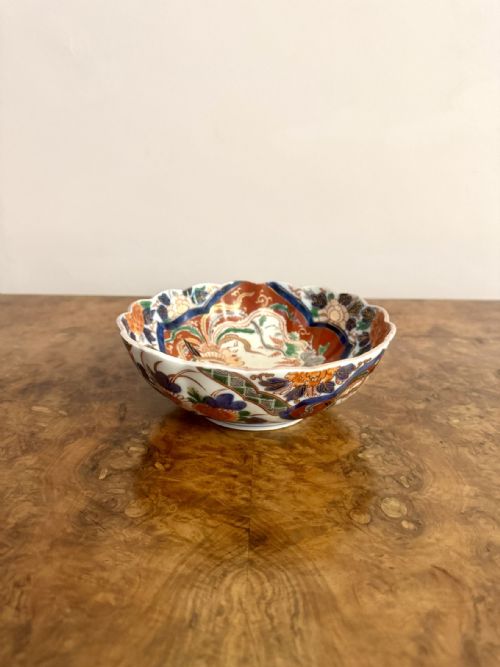
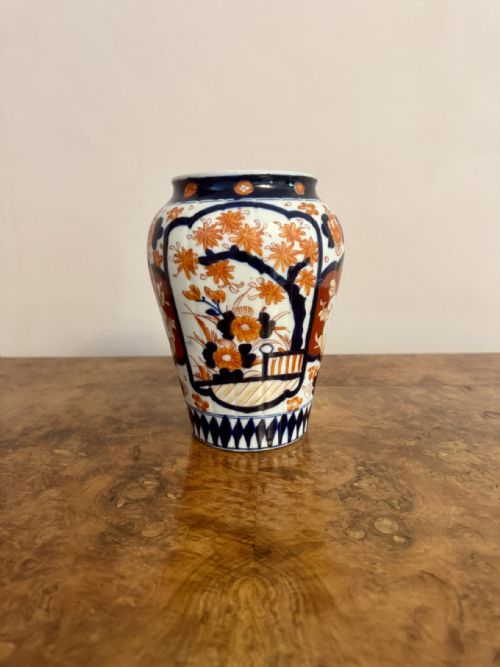
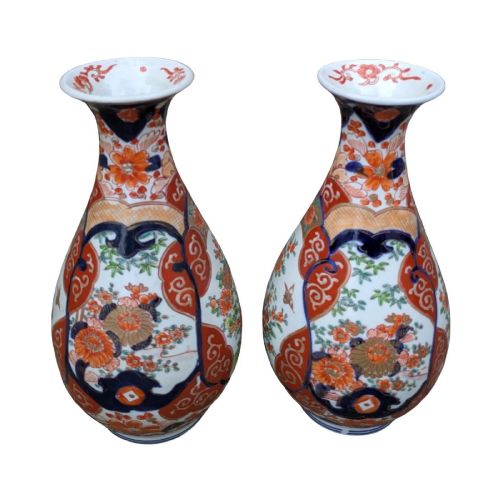
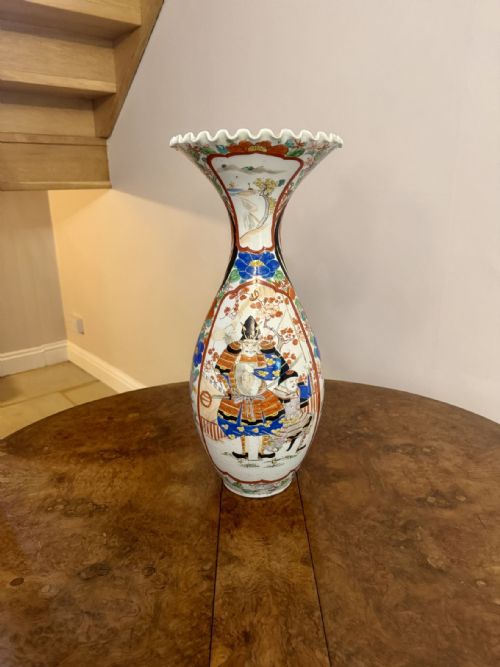
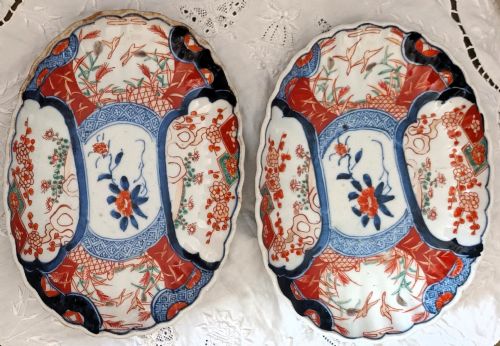
When you search for arita imari ware, you encounter decorative porcelain objects originating from Japan across several centuries. The selection includes plates, bowls, dishes, chargers, vases, garnitures, jardiniere, and ceramic figurines.
You are most likely to meet pieces from the Meiji period and the nineteenth century on this page. These take forms such as scallop edge bowls, hexagonal plates, bottle shaped vases, and clam shell dishes.
How arita imari ware was made
Maker workshops utilised porcelain clay fired to form durable ceramic bodies. Artisans applied glaze and enamel paint by hand to create the characteristic surface patterns.
Many examples incorporate gold leaf, gilt, or gold gilding to highlight specific details within the floral, bird, and figural designs.
Listings span from the seventeenth century through to the twentieth century, featuring periods including the Edo, Meiji, and Taisho eras.
What varies in quality
The precision and detail of the hand painted enamel work distinguish different grades of these objects. Superior examples display carefully controlled pigment application and distinct lines in their floral and bird motifs.
Form and modelling also set items apart, particularly in unusual shapes such as fan shaped plates, clam shell dishes, and figural ceramic sculptures.
The Arita Imari Ware Glossary
- Imari palette
- A traditional colour scheme utilising underglaze blue, iron red, and gold on a white porcelain ground. This combination defines the visual character of the wares.
- Charger
- A large decorative plate intended for display on a wall or sideboard rather than for dining use. These items often feature intricate painted borders and central motifs.
- Garniture
- A matching set of three or more vases designed to be displayed together on a mantelpiece or cabinet. These sets coordinate in shape and painted decoration.
- Jardiniere
- A large ornamental ceramic pot used for holding live plants or flowers. They provide a substantial focal point in a room.
Arita Imari Ware: Frequently Asked Questions
How are arita imari ware items dated?
Dating relies on stylistic markers, historical periods such as the Edo and Meiji eras, and manufacturing techniques recorded in the listings.
Changes in porcelain body composition, glaze characteristics, and painting styles help assign objects to specific centuries.
Were these pieces used for dining?
Most surviving items function primarily as decorative objects rather than utilitarian tableware. Chargers, large bowls, and shaped dishes were made for visual display.
Plates and smaller dishes appear frequently, though their decorative finishes suit ornamental placement.
What is a garniture set?
A garniture consists of a matched group of vases created to be displayed together as a decorative unit.
These sets typically comprise three pieces sharing identical painting styles and forms.
How do I care for these porcelain items?
Maintenance involves gentle dusting with a soft, dry cloth to protect the enamel glaze and gilt surfaces.
Avoiding harsh cleaning agents and moisture preserves the historic painted decoration.