



Arita Imari Urns
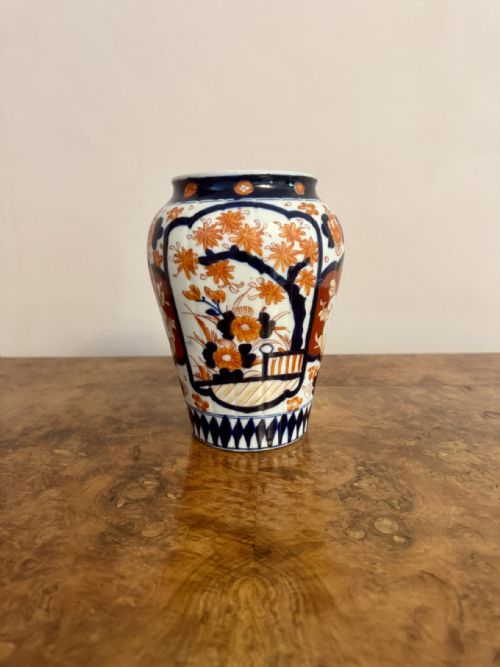
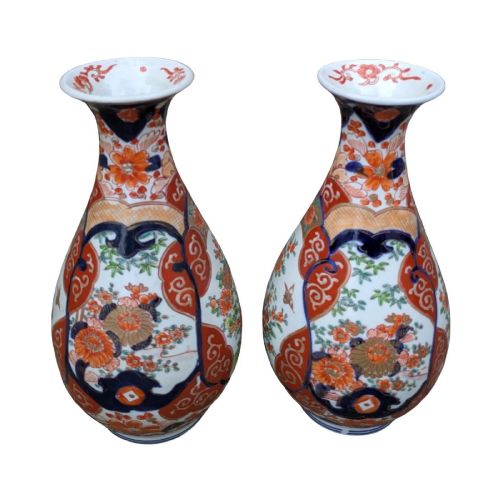
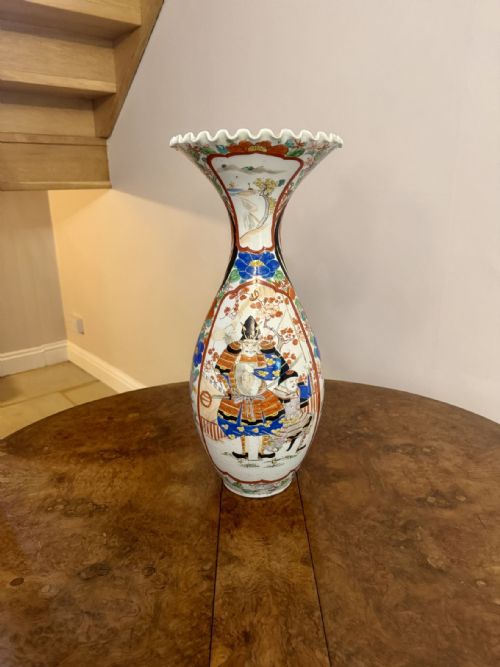
These arita imari urns bring rich cobalt blue, iron red and gold decoration into a room, offering centuries of ceramic artistry.
Arita Imari Urns
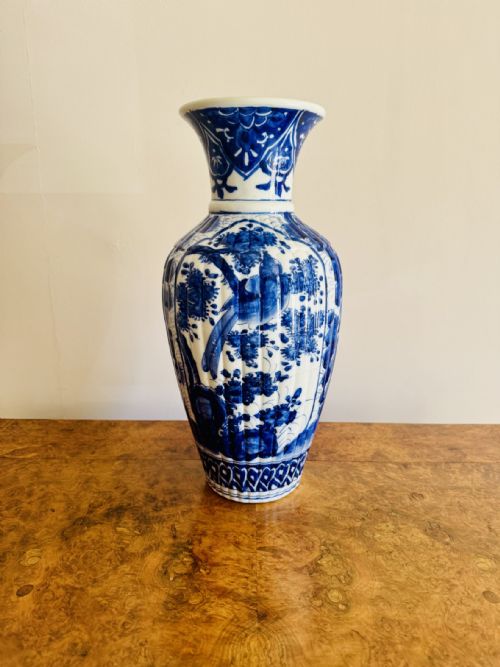
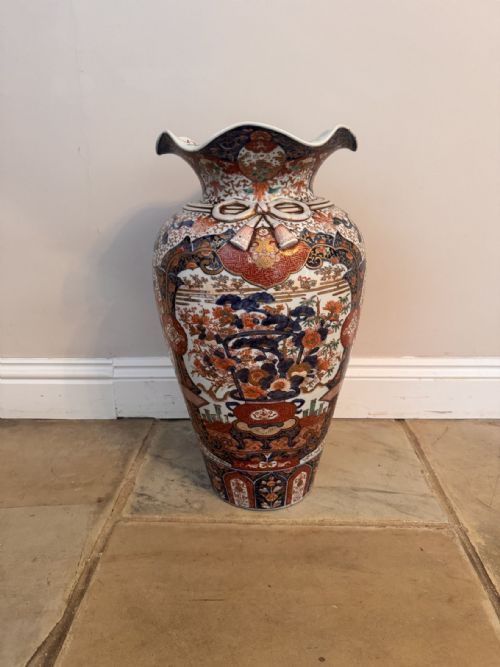
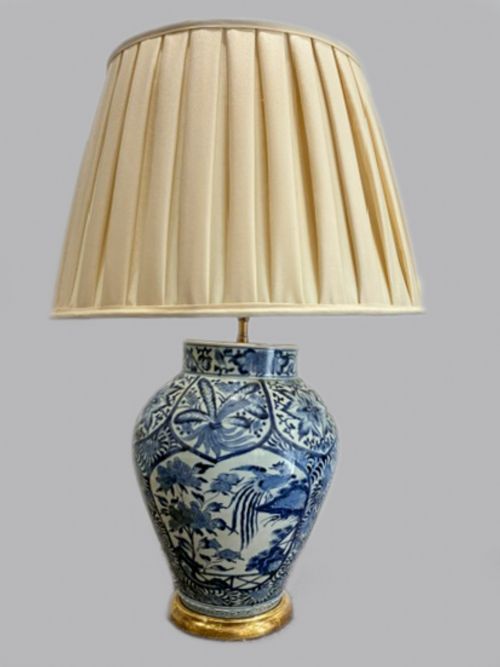
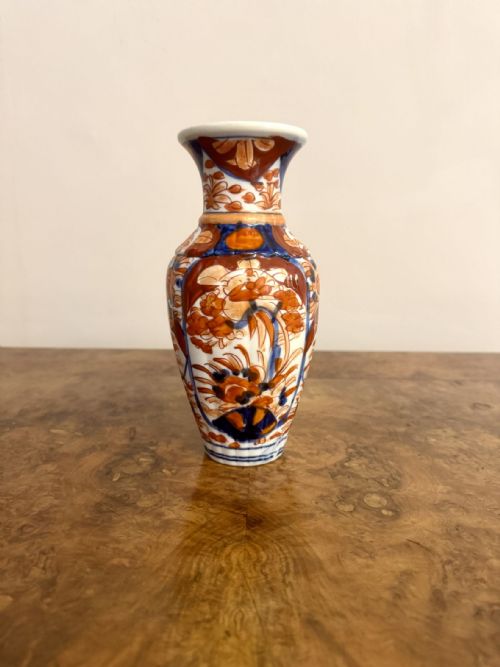
When you search for arita imari urns, you encounter striking porcelain vessels created in Japan during periods spanning the seventeenth century to the early twentieth century. The selections available here range from large floor standing vases and lidded ginger jars to pairs configured as table lamps.
The most frequent examples encountered on this page date from the nineteenth century, particularly the Meiji period, alongside select earlier pieces from the seventeenth and eighteenth centuries. These vessels often take the form of shaped vases, spill vases, or garnitures consisting of three pieces designed to sit together on a mantelpiece or cabinet.
How arita imari urns were made
The foundation of these pieces is hard-paste porcelain fired at high temperatures in the kilns of Arita, utilising refined white clay. Artisans then applied underglaze blue cobalt pigments before firing, followed by overglaze enamels in iron red and other colours.
Many examples incorporate gold leaf or gilt highlights applied over the glaze to catch the light, while some later or converted items feature brass fittings or silk elements when adapted for use as lamps.
Several of these stately vessels crossed continents as cargo centuries ago only to return decades later quietly illuminating modern side tables.
What varies in quality
Quality in these ceramics rests primarily on the crispness of the underglaze painting and the richness and density of the overglaze enamel and gilt detailing. Pieces that command attention display careful control in the brushwork and a balanced composition across the surface of the porcelain body.
The weight and presence of the vessel, especially in larger pairs, lidded jars, and garniture sets, also distinguish the output of skilled workshops from more standard commercial productions of later decades.
Fukagawa
The Arita Imari Urns Glossary
- Arita
- The Japanese town and surrounding region in Hizen province where Japanese porcelain production originated and flourished.
- Imari
- The port town from which Arita porcelains were shipped to Europe, giving its name to the distinctive blue, red and gold decorative palette.
- Garniture
- A set of matching vases or jars, typically three or five pieces, intended to be displayed together as a decorative group.
- Ginger Jar
- A globular porcelain jar with a domed cover, originally made for spices but widely collected as a decorative object.
- Meiji Period
- The era in Japanese history spanning from 1868 to 1912, characterised by opening trade and exceptional decorative arts production.
Arita Imari Urns: Frequently Asked Questions
What is an Arita Imari urn?
These are porcelain vessels produced in the Arita region of Japan, decorated in the traditional Imari palette of cobalt blue, iron red and gold.
They encompass various forms including lidded jars, ginger jars, and large decorative vases dating from the seventeenth century onwards.
How were these porcelain pieces used?
Historically, they served as grand decorative statements in elite European and Japanese interiors, often displayed on mantelpieces or as matching garniture sets.
Many examples from later periods were subsequently converted into table lamps while retaining their original ceramic bodies.
How do I date an Imari vase?
Dating relies on stylistic markers, the character of the porcelain body, and the specific tones of the underglaze blue and overglaze enamels.
Earlier seventeenth and eighteenth-century pieces often display different potting techniques and palette depths compared to late nineteenth-century Meiji period examples.
Can I use an antique jar as a lamp?
Several pieces are found with historical conversions where vases or jars were adapted into table lamps with brass hardware.
This practice allows these decorative ceramics to function within modern lighting schemes while preserving the antique porcelain body.