


Seventeenth Century Ceramics
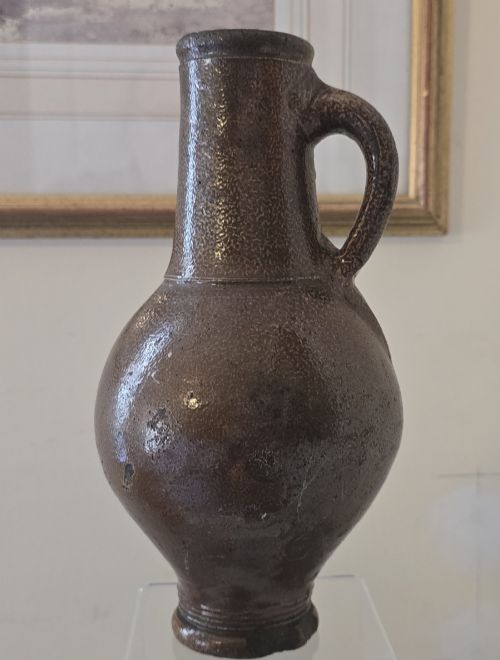
Seventeenth century ceramics are historic vessels and plates shaped from earthenware or porcelain that bring tactile age and global trade history directly into a room.

Seventeenth Century Ceramics
Seventeenth century ceramics encompass a wide geographical spread, taking in English and Dutch delftware alongside Chinese Ming and Qing dynasty porcelain and Japanese Edo period wares. You will frequently encounter blue and white chargers, delft vessels, and Imari palette pieces spanning this expansive era.
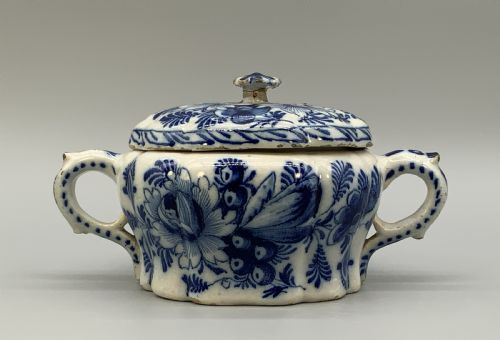
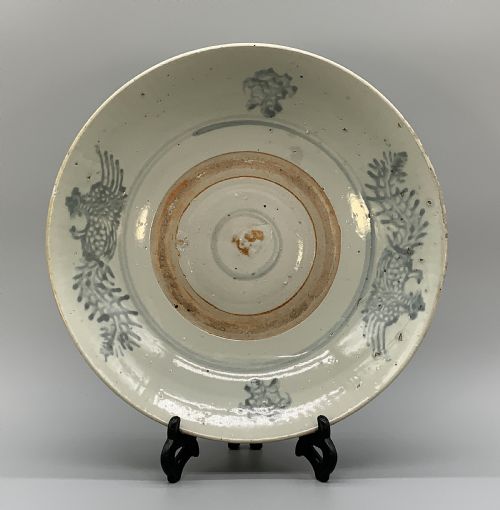
The objects available range from everyday posset pots and Kraak plates to large lidded vases and decorative chargers. English and Dutch earthenware sits alongside imported Asian porcelain brought to Europe via maritime trade.
Posset pots, chargers, and beaker vases represent the primary forms found within these listings. These pieces reflect both domestic European production and sophisticated East Asian ceramic traditions.
How they were made
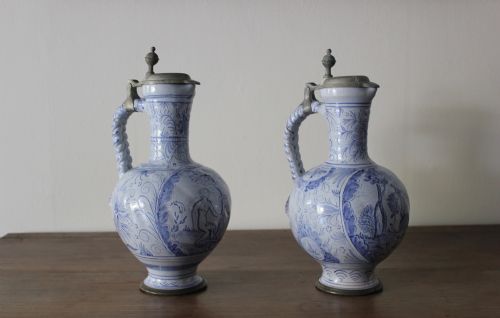
Makers shaped earthenware and porcelain bodies before applying tin glaze or cobalt pigment to create decorative surfaces. Cobalt pigment provided the rich blue tones seen across Dutch, English, and Asian pieces.
Enamel and tin glaze were utilised to coat earthenware bodies, providing a smooth white background for painted flora, birds, and Chinoiserie scenes. Potters fired these vessels in kilns at varying temperatures depending on whether the medium was coarse earthenware or fine porcelain.
Current listings feature porcelain and tin-glazed earthenware spanning the seventeenth, eighteenth, and nineteenth centuries alongside later revival pieces.
What varies in quality
The clarity and precision of the painted cobalt pigment significantly influence the visual impact of each piece. Skilled brushwork depicting birds, flowers, or complex Chinoiserie scenes distinguishes superior examples from simpler, repetitive ornamentation.
The preservation of the original tin glaze or enamel surface determines the integrity of the object. Weight, proportion, and the crispness of the thrown or moulded clay body also mark out the finer pieces in this category.
The Seventeenth Century Ceramics Glossary
- Delftware
- Tin-glazed earthenware produced in England and the Netherlands, typically featuring a white surface painted in blue. This technique imitated the appearance of imported Chinese porcelain.
- Charger
- A large decorative plate or dish intended for display on a wall or dresser rather than for dining use. These pieces often feature elaborate painted scenes across a broad surface.
- Imari
- A style of Japanese porcelain decorated in underglaze blue, iron red, and gold, named after the port of shipment. It gained immense popularity in Europe during the seventeenth century.
- Kraak
- Chinese porcelain characterised by panelled borders and central motifs depicting landscapes, flora, or fauna. It was widely exported to Europe during the Ming and transitional periods.
- Posset pot
- A spouted earthenware vessel used for serving a traditional hot drink made of curdled milk and wine. These pots often feature multiple handles and elaborate lids.
Seventeenth Century Ceramics: Frequently Asked Questions
What is seventeenth century delftware?
Delftware is tin-glazed earthenware produced primarily in England and the Netherlands during the seventeenth and eighteenth centuries. These pieces were often painted in blue pigment to imitate imported Chinese porcelain.
Potters applied an opaque white glaze over a buff or pinkish clay body before hand-painting botanical or figurative scenes.
How were seventeenth century ceramics used?
Many of these objects served both functional and decorative roles in wealthy households. Chargers and large plates were hung on walls or displayed on dressers to demonstrate status.
Specific vessels like posset pots held hot spiced drinks during communal gatherings, while brush pots organised scholars' writing tools.
Where were Kraak plates made?
Kraak plates were manufactured in China during the late Ming dynasty for export to European markets via Portuguese and Dutch trading ships. They are instantly recognizable by their segmented panel borders and central bird or flower motifs.
Potters painted them using cobalt pigment beneath a translucent glaze.
How should I care for antique earthenware?
Antique tin-glazed earthenware requires gentle handling and protection from sudden temperature changes or moisture. Dust them softly with a dry cloth rather than using liquid cleaners.
Displaying them securely on stable surfaces prevents accidental knocks to their fragile tin glaze.