

White Porcelain Jars
White porcelain jars span centuries of fired ceramic craft, offering collectors durable vessels of utility and display.
White Porcelain Jars
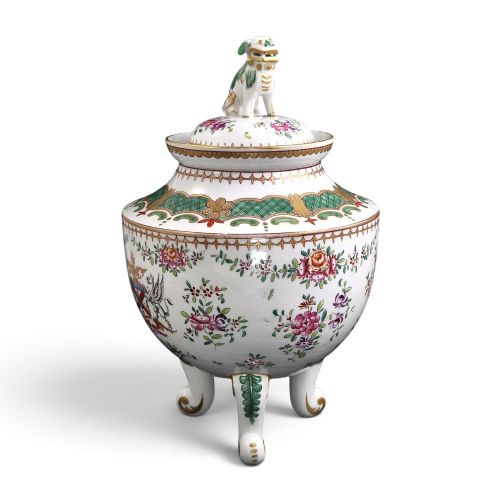
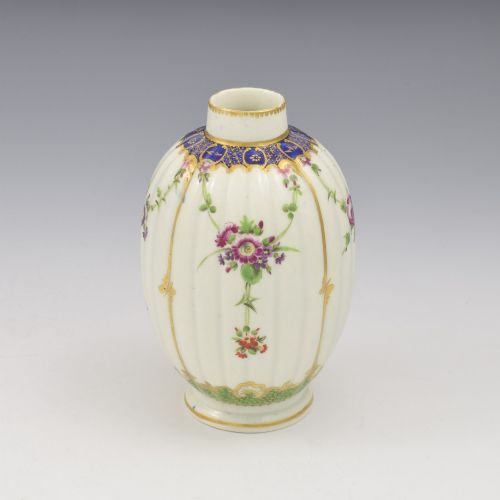
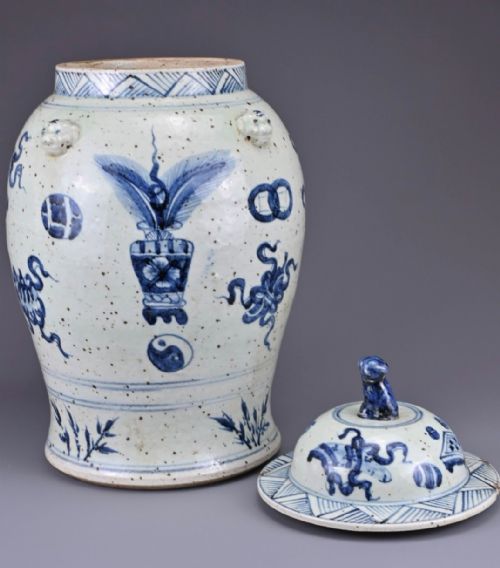
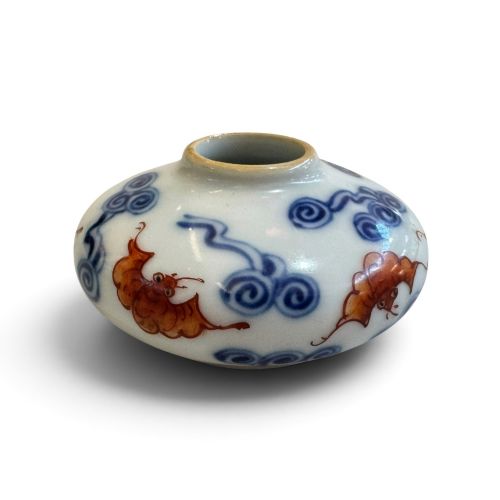
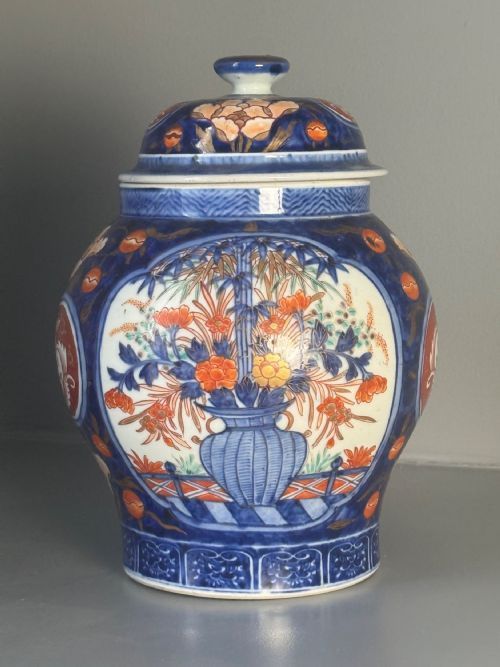
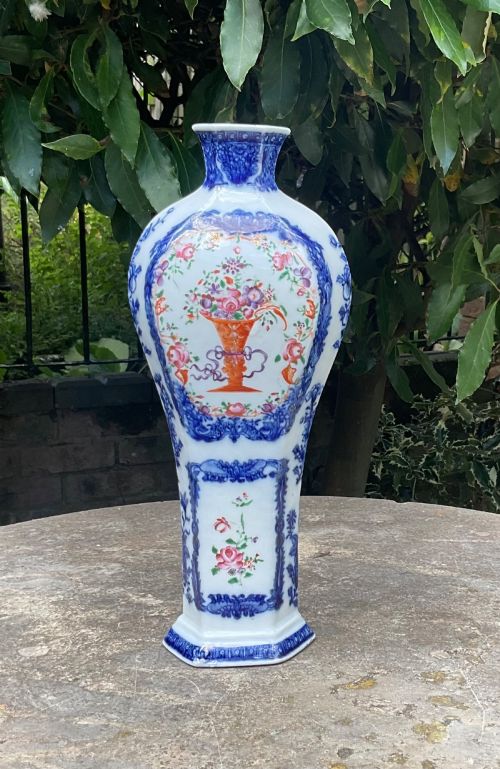
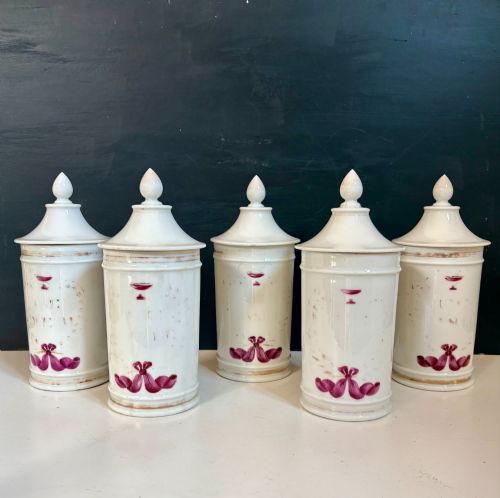
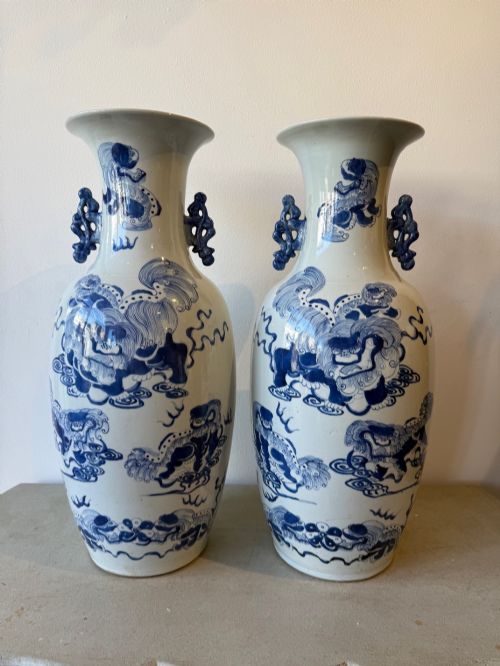
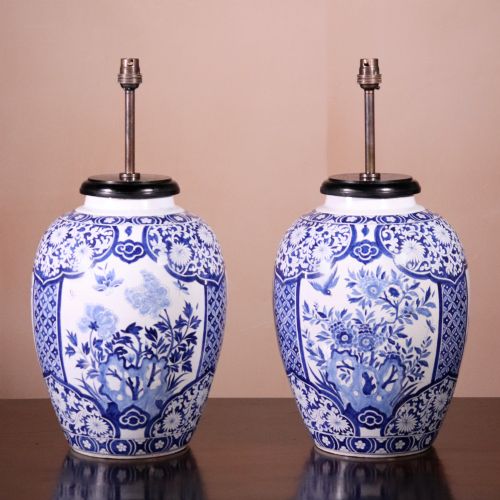
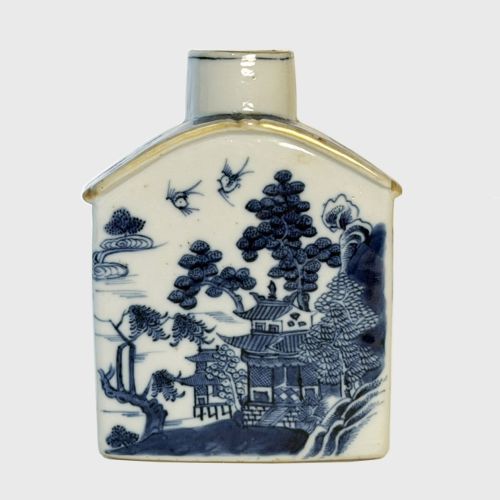
White porcelain jars encompass versatile containers produced across European and Asian potteries, frequently appearing in domestic settings as lidded ginger jars, tea caddies, and apothecary vessels. The examples found here range from eighteenth-century Chinese export wares to nineteenth-century European interpretations in the Chinese taste.
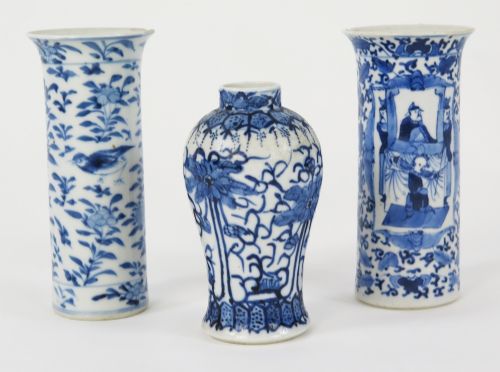
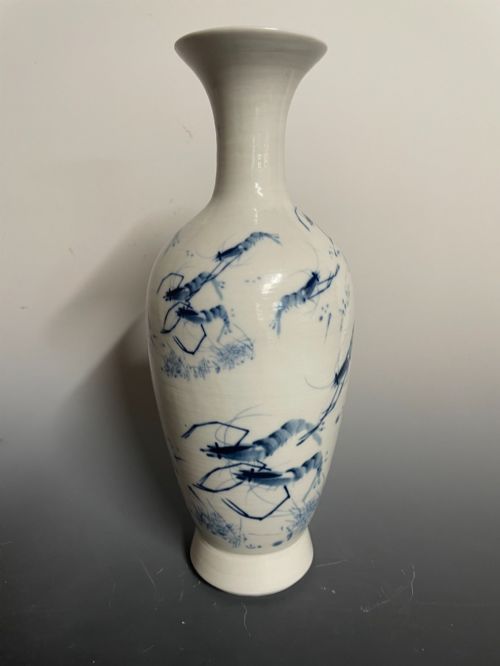
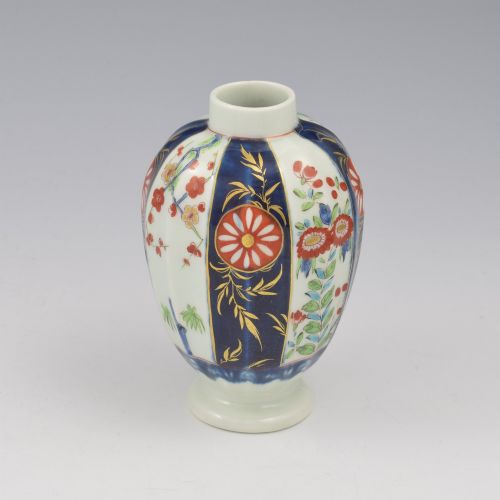
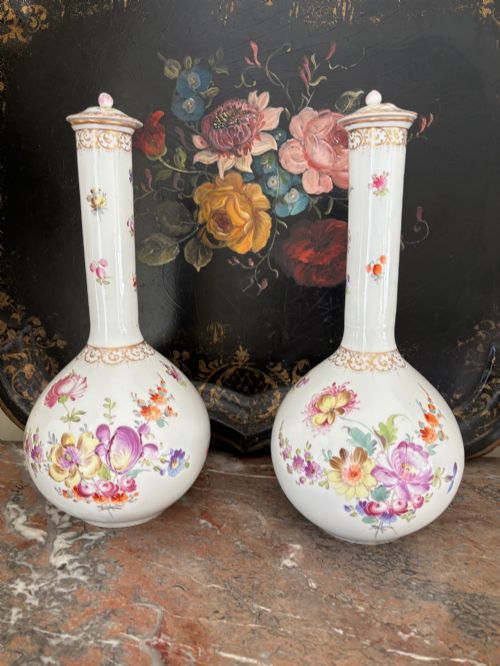
Buyers encounter distinct regional forms, including cobalt-decorated blue and white baluster bodies alongside monochrome white surfaces. These pieces frequently feature hand-painted floral motifs, birds, and traditional landscape scenes applied beneath a translucent glaze.
Materials and Methods
Potters shaped fine clay bodies using porcelain paste and ceramic materials before applying mineral pigments and liquid glaze. Cobalt pigment provided deep blue decoration, while enamel paints added polychrome detail to the fired surface.
Kiln firing at high temperatures fused the glaze to the ceramic body, producing a vitreous seal that protected the painted decoration underneath. Artisans occasionally integrated brass mounts or gold leaf accents following the initial glaze firing.
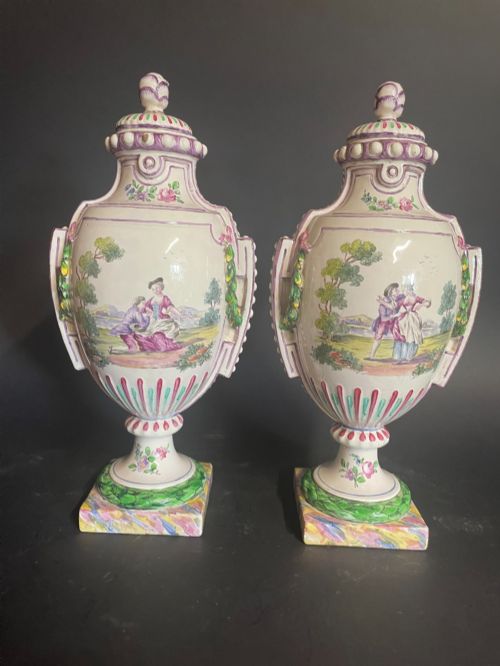
The available selection includes traditional Chinese export styles alongside European revival forms produced by factories in France, Germany, and England.
Assessing Craftsmanship
Quality rests upon the refinement of the clay body and the precision of the hand-painted brushwork across the vessel. Superior examples display crisp cobalt definition and an even glaze without pitting or warping from the kiln.
The sophistication of the potting determines balance and symmetry in larger forms, while well-fitted lids indicate careful shrinkage control during high-temperature firing.
Sitzendorf·Sceaux Faience·Makuzu Kozan·Carlton Ware
The White Porcelain Jars Glossary
- Baluster
- A tall vessel form with a rounded body that tapers toward a narrow neck and widens again at the base. This shape provides stability and generous surface area for painted decoration.
- Cobalt Pigment
- A metallic oxide used under the glaze to produce deep blue tones that withstand high kiln temperatures. It remains stable during firing, yielding sharp outlines.
- Biscuit Barrel
- A lidded ceramic container utilised in the nineteenth century for storing dry biscuits at the dining table. These pieces often feature metal handles and rims.
- Potpourri
- A lidded bowl or jar perforated to release the scent of dried flowers and spices placed within. Such vessels were common fixtures in period drawing rooms.
- Tea Caddy
- A small container designed to store dry tea leaves securely before brewing. Eighteenth-century versions often include fitted covers to preserve aromatics.
White Porcelain Jars: Frequently Asked Questions
Were these jars used for food storage?
Many lidded vessels served practical domestic functions, holding tea leaves, dry foodstuffs, or medicinal compounds in apothecary settings. The dense vitrified body prevented moisture absorption, keeping contents secure over time.
Over the centuries, decorative examples transitioned primarily to ornamental display roles on mantelpieces and tables. Collectors today appreciate this dual heritage of utility and artistry.
How do you identify eighteenth century porcelain?
Examine the unglazed foot rim for signs of age, such as slight wear, kiln grit, and the texture of early paste. Eighteenth-century pieces often display subtle potting irregularities and hand-mixed pigments that differ from later industrial production.
Consult recorded reign marks and stylistic conventions associated with specific periods like the Qianlong era or First Period Worcester. Comparing glaze thickness and brushstroke fluidity helps confirm the manufacturing era.
Can damaged porcelain lids be replaced?
Original matched lids contribute significantly to the integrity and character of an antique jar. Finding a precise period replacement with matching glaze and paste characteristics presents a considerable challenge.
Collectors generally prefer complete vessels where the cover shares the exact firing batch and decorative hand of the base. Minor professional conservation can stabilise existing original lids rather than swapping them out.