


Aristocratic Oil Portrait
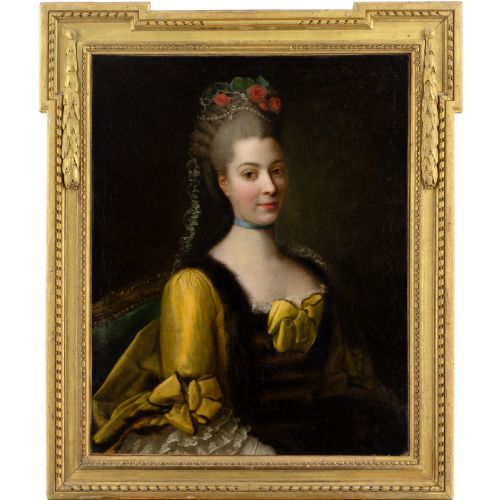
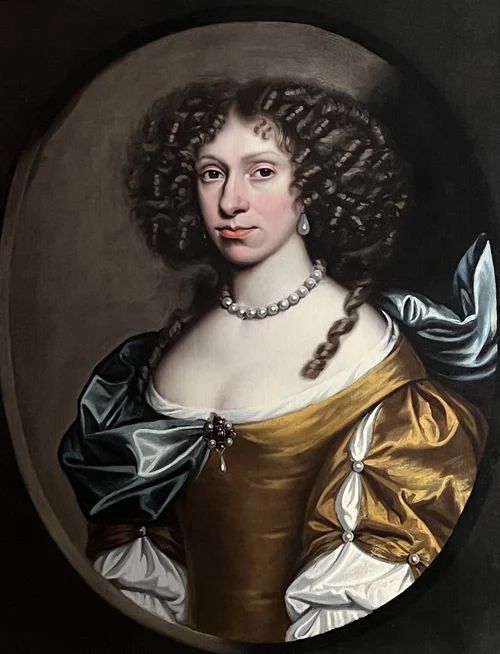
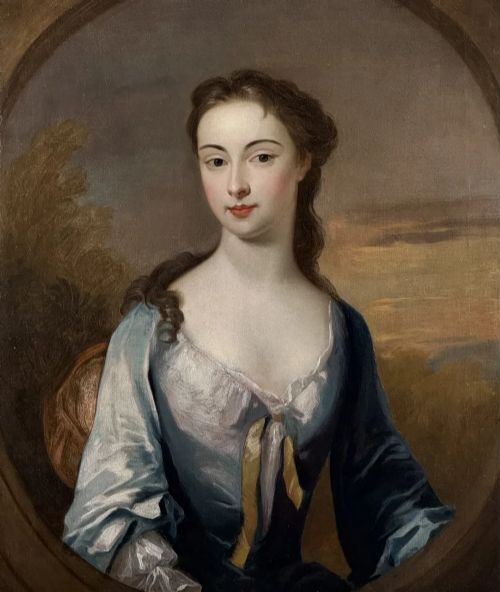
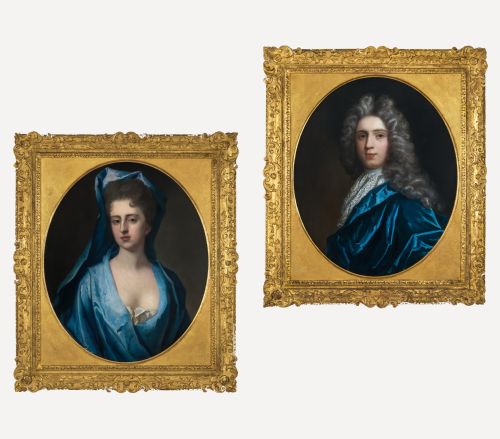
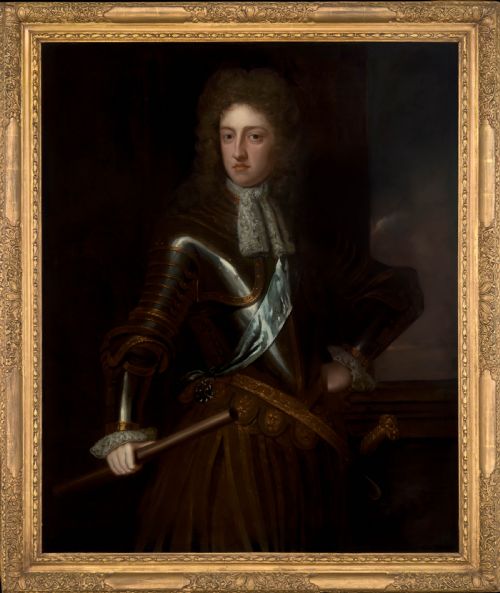
When you examine an aristocratic oil portrait, you are looking at centuries of painted lineage, capturing nobility through rich pigments and careful canvas.
Aristocratic Oil Portrait
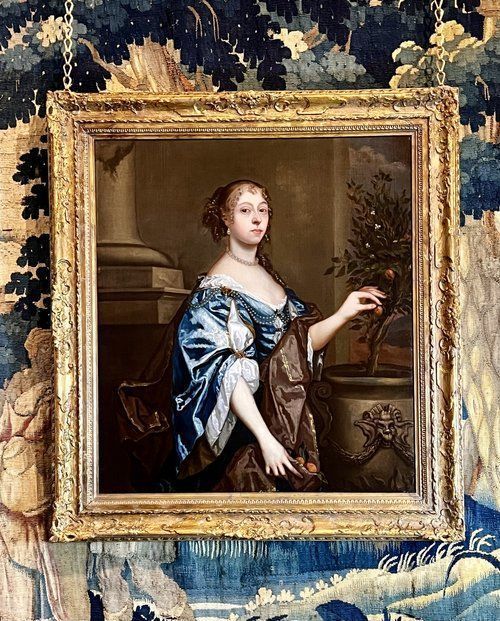
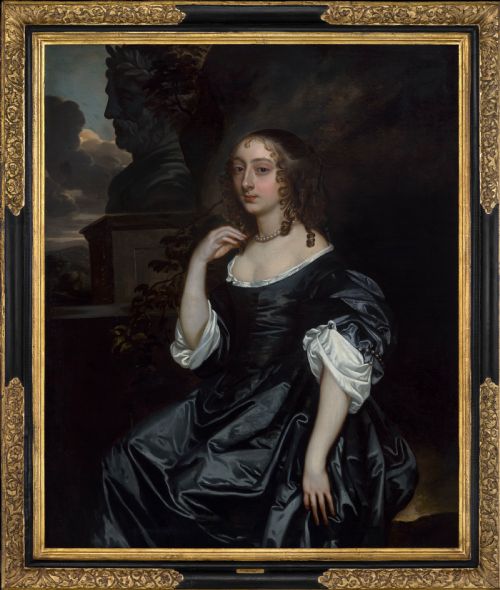
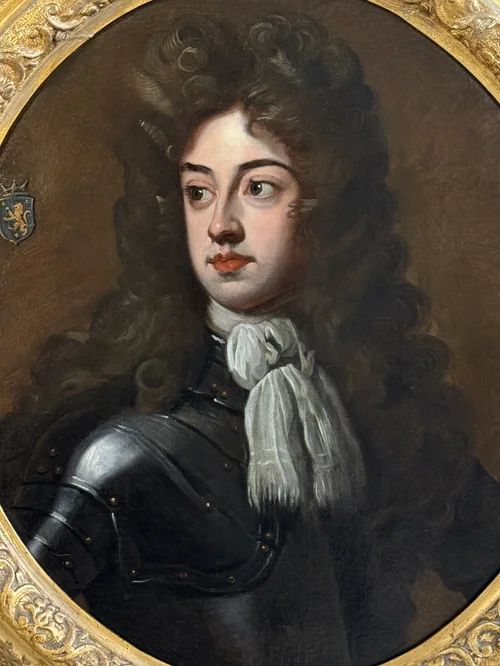
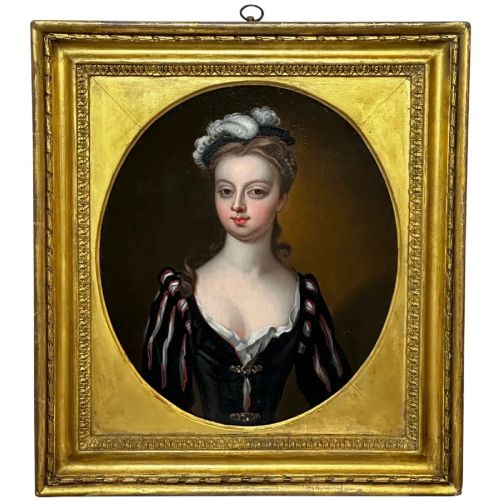
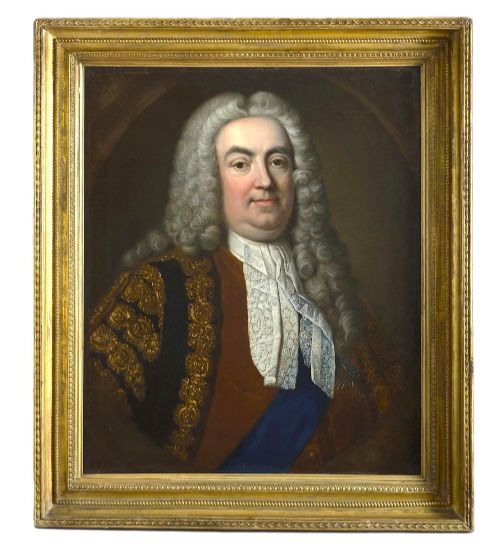
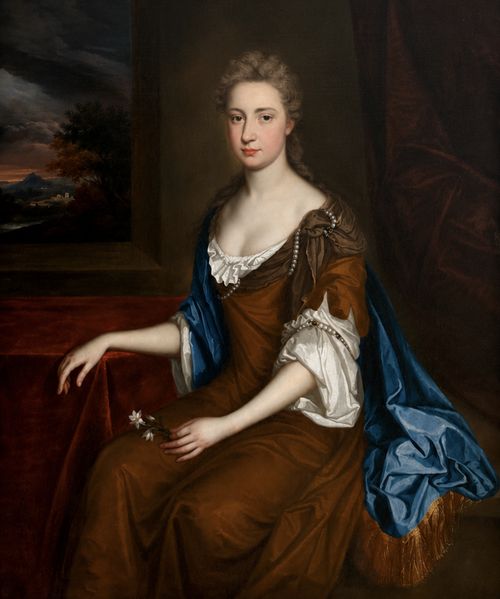
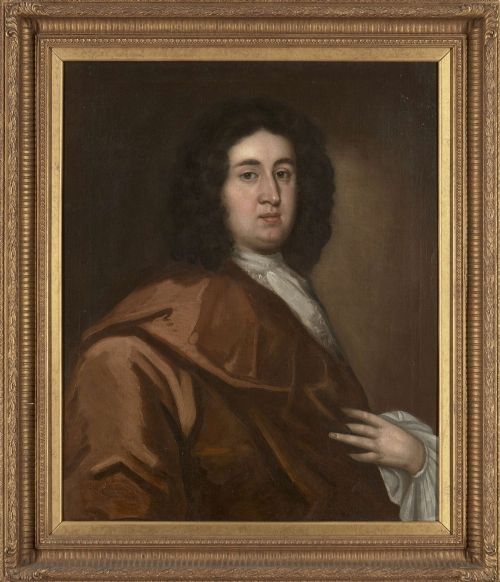
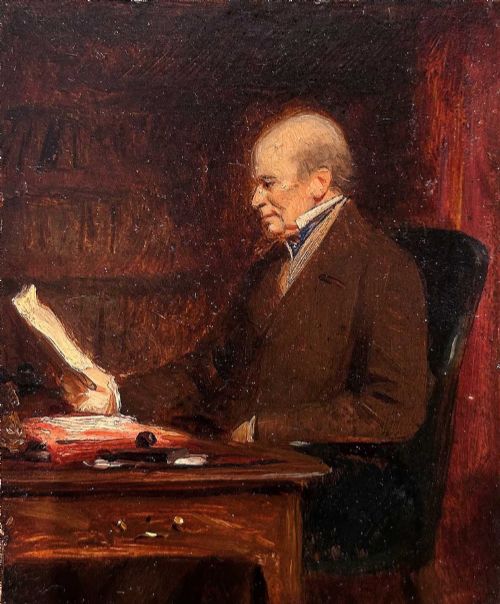
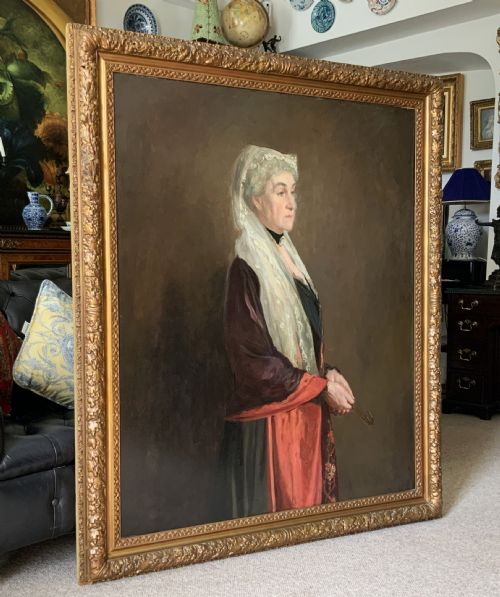
An aristocratic oil portrait is a historical painting depicting nobility, gentry, or prominent figures from the seventeenth century onward. These works capture subjects in formal dress, often displaying familial or societal status through their attire and setting.
Buyers exploring this selection encounter pieces originating from British, French, Dutch, and German schools. The subjects range from named earls and baronets to elegant ladies and notable historical figures.
The most common formats on this page are seventeenth- and eighteenth-century canvases executed in oil. Many pieces link directly to notable circles, studios, or named masters of portraiture.
Materials and technique
These works are painted primarily in oil on stretched canvas, though occasional examples employ wood panels. Artists built up the composition using layers of oil paint to render fine details in lace, fabrics, and facial expressions.
Original framing often consists of carved wood finished with giltwood or gold leaf. The physical construction relies on traditional joinery for stretchers and heavy timber mouldings for period frames.
Several subjects clutch oranges or wear intricate diamond clasps to signal their immense wealth.
Factors of quality
Quality in an aristocratic oil portrait rests upon the skill of the brushwork in capturing likeness and textile texture. Studio pieces or works by accomplished contemporaries show greater anatomical precision and depth in drapery than provincial copies.
The preservation of the original canvas and pigment layer determines the visual impact of the piece. Surviving works with minimal overpainting and stable craquelure command more appreciation from collectors.
David Scougall·John Hayls·Charles Jervas·Michael Dahl·Thomas Murray·Sir Godfrey Kneller·Pieter Borsseler·Sir Peter Lely·John Vanderbank·Jean Baptiste Van Loo·John Closterman·Stephen Pearce·Trajan Hughes·Joseph Vivienne·Allan Ramsay·James Maubert·Nicolas De Largilliere·Franz Xaver Winterhalter·Robert Edward Morrison·Philip Mercier·Pieter Nason·Mary Beale
The Aristocratic Oil Portrait Glossary
- Oil on Canvas
- Pigments bound in a medium applied to a woven fabric support. This combination allowed artists to achieve rich blending and subtle tonal gradations.
- Giltwood
- Wood carved and coated with gold leaf or metallic powder. This finish provided ornate, light-reflecting borders suited to grand interiors.
- Studio of
- A term indicating the work was produced by assistants or pupils under the direct supervision of a master artist. Such pieces closely follow the master's style and composition.
- Circle of
- A designation used when a painting originates from an artist working closely within the sphere or direct influence of a major master. It denotes period proximity rather than direct attribution.
- Baroque
- An artistic style spanning the seventeenth and early eighteenth centuries, characterised by drama, rich colour, and deep shadow. Portraits from this era emphasise theatrical presence and opulent garments.
Aristocratic Oil Portrait: Frequently Asked Questions
How can I identify the period of a portrait?
The hairstyle, cut of the clothing, and collar style usually provide the most reliable dating clues. Comparing these elements with documented fashion history narrows the decade of execution.
Frame construction and canvas preparation also offer supporting evidence for age. Period stretchers and older lining techniques help confirm whether the painting remains in its historical state.
What does attribution to a studio mean?
Attribution to a studio indicates the painting was created in the workshop of a recognised master. Assistants often executed parts of the composition under the master's direct guidance.
These pieces share the stylistic traits of the primary artist but generally carry lower commercial attribution than a fully signed autograph work.
Where were these portraits originally displayed?
Aristocratic portraits hung primarily in the grand reception rooms, galleries, and staircases of country houses and town mansions. They served to display ancestry, wealth, and political allegiance to visiting guests.
Smaller formats occasionally found a place in private chambers or studies. Their primary function was commemorative and dynastic rather than purely decorative.
How do I care for an oil painting at home?
Keep paintings away from direct sunlight, heating vents, and damp environments to prevent canvas shrinkage and pigment cracking. Stable room temperatures protect the structural integrity of both paint and wood.
Dust the surface gently with a soft, dry brush without applying pressure. Avoid using chemical cleaners or water on the paint surface.