





Royal Oil Painting
A royal oil painting carries the weight of court portraiture, maritime heritage, and academy exhibitions across centuries.
Royal Oil Painting
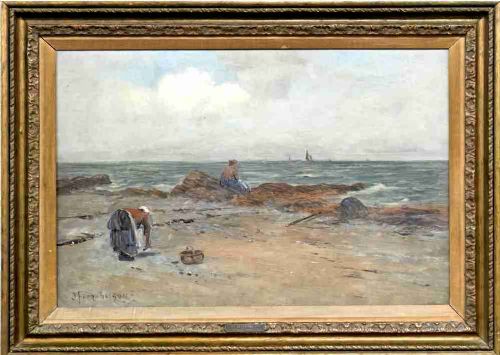
When you search for a royal oil painting, you encounter a diverse gathering of historical portraiture, maritime scenes, and Academy-exhibited works spanning from the seventeenth century through to the mid-twentieth century.
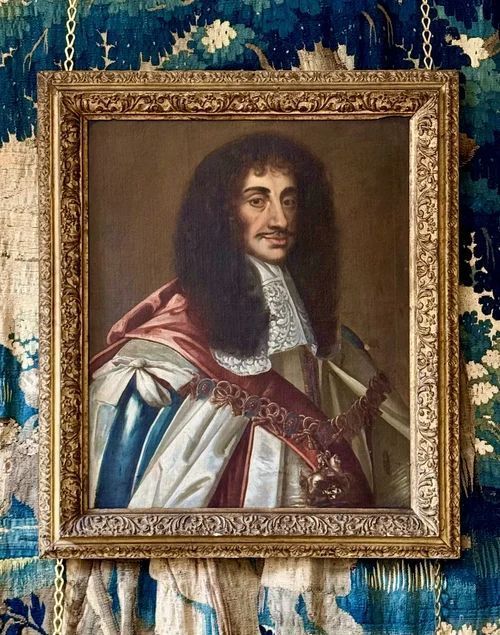
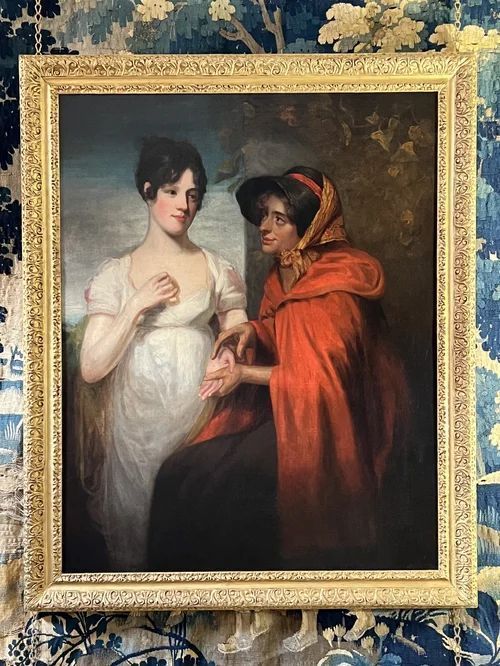
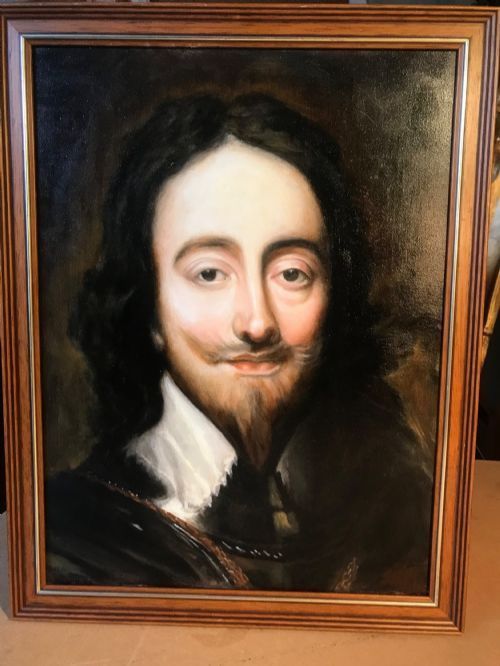
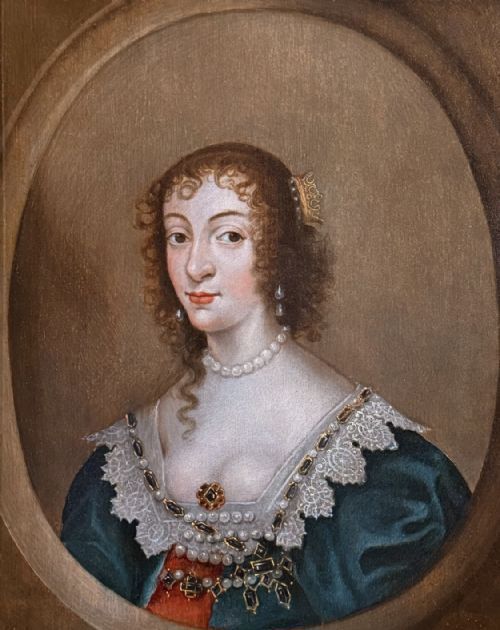
The selections on this page are most commonly anchored in seventeenth-century monarch portraits after masters like Van Dyck and Lely, alongside nineteenth-century Victorian canvases and scenes connected to royal residences, regiments, and naval vessels.
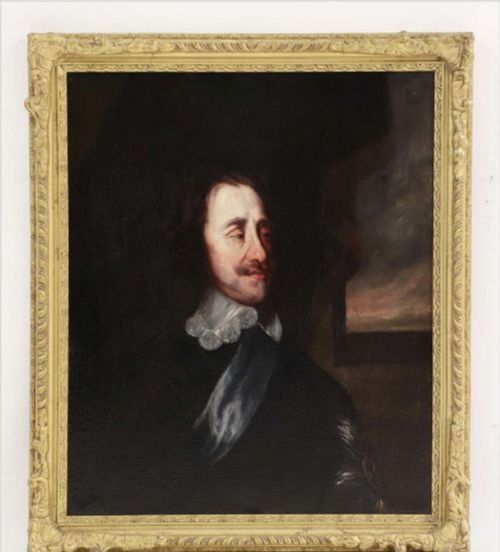
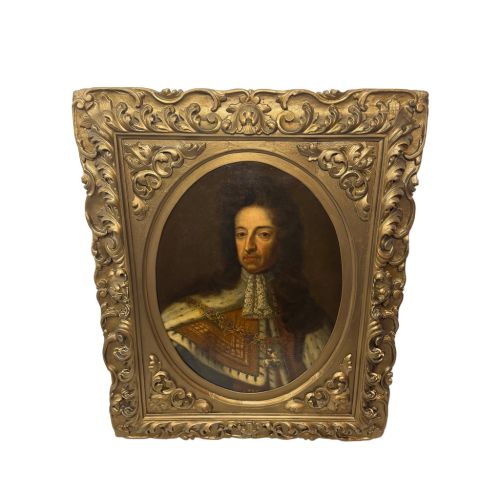
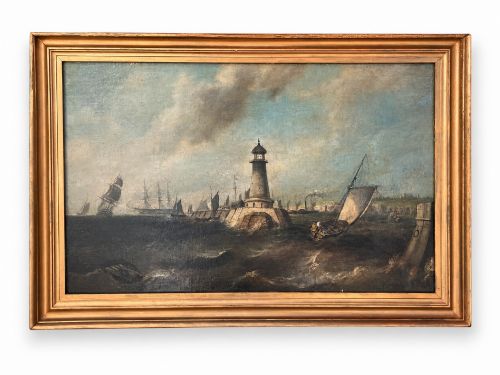
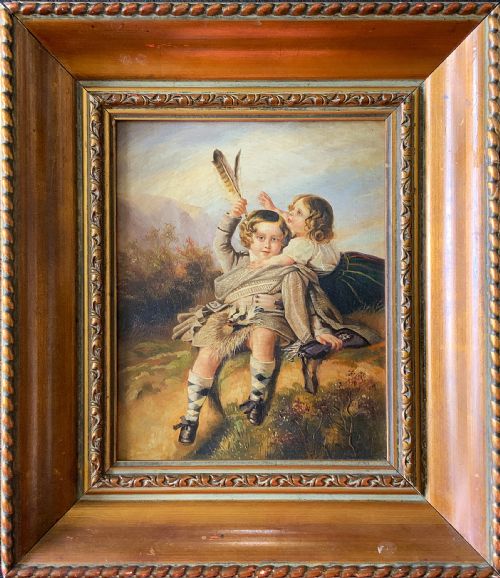
Subjects range from sovereign rulers such as King Charles I and King William III to depictions of royal thoroughbreds, Highland hunting parties, and exhibition pieces carrying the provenance of the Royal Academy.
How they were made
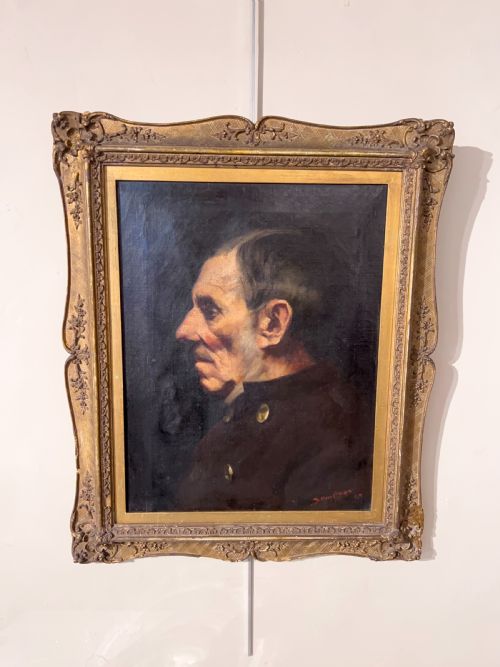
The physical foundation of these works relies heavily on oil paint applied to stretched canvas or wooden panels, supported by periods of framing in giltwood and gold leaf.
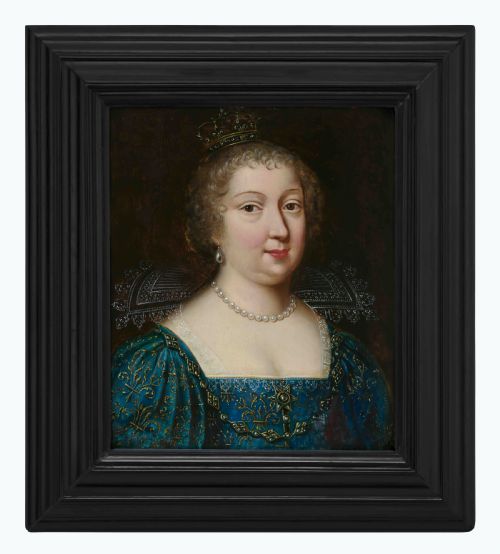
Artists utilised traditional brushwork techniques, building up rich layers of pigment to capture the detailed textures of royal regalia, ceremonial armour, and elaborate period costumes.
Many of the earlier pieces originate from studio circles or follow after established court painters, employing meticulous layering on oak panels or heavy canvas to achieve lasting depth and luminosity.
Among the historical monarchs and nobility, the selection records a royal thoroughbred horse alongside jockeys and Highland stags.
What varies in quality
Quality in these works is defined by the closeness of the connection to the original artist's hand, distinguishing between primary studio output, contemporary circle pieces, and later copies.
The handling of fine details - such as the rendering of facial expressions, the intricate drape of velvet and ermine, and the luminosity of the background - separates standard decorative portraits from accomplished Academy-level achievements.
Provenance and exhibition history, particularly association with the Royal Academy or documented royal collections, elevate the historical importance of a canvas.
Sir William Beechey·Sir Anthony van Dyck·Sir Peter Lely·John Opie·Joseph Farquharson·Bertram Priestman·Frederick Goodall·Reginald Grange Brundrit·George Vicat Cole·George Smith·John A Houston·Benjamin Williams Leader·Ronald Ossory Dunlop·Sir Godfrey Kneller·Daniel Mytens
The Royal Oil Painting Glossary
- Oil on Canvas
- Pigment mixed with drying oil applied to a woven fabric support. This remains the primary medium for the majority of historical portraits listed.
- Giltwood
- Wood carved and coated with gold leaf or metallic paint. Period frames utilise this finish to complement the grandeur of court paintings.
- Circle of
- A designation indicating the work was produced by an unnamed artist working closely with a named master in the same style and period.
- Royal Academy
- An institution holding annual exhibitions where many prominent British artists showcased their finest landscape and portrait works.
- Old Master
- A term generally applied to European painters of high skill working before the nineteenth century, often referenced in copies of royal subjects.
Royal Oil Painting: Frequently Asked Questions
What is a royal oil painting?
A royal oil painting is a historical artwork depicting monarchs, court figures, royal residences, or subjects with a direct connection to the crown.
These pieces range from seventeenth-century portraits of kings and queens to nineteenth-century military, maritime, and academy-exhibited canvases.
How do I date a royal portrait?
Dating relies on stylistic clues in the clothing, the style of the gilt frame, and the painting technique used on the canvas or panel.
Inscriptions, artist attribution, and records of studio circles also provide reliable anchors for the period of execution.
Where were these paintings displayed?
Historically, such portraits and scenes hung in country houses, royal palaces, institutional headquarters, and exhibition halls.
Today, they suit traditional domestic interiors, studies, and gallery spaces where historic artwork forms the focal point.
What does after an artist mean?
The phrase indicates that the work is a later period copy or interpretation of a well-known original composition by a master painter.
These pieces were often commissioned to record important historical figures when acquiring an original primary portrait was not possible.