


Oval Oil Portrait
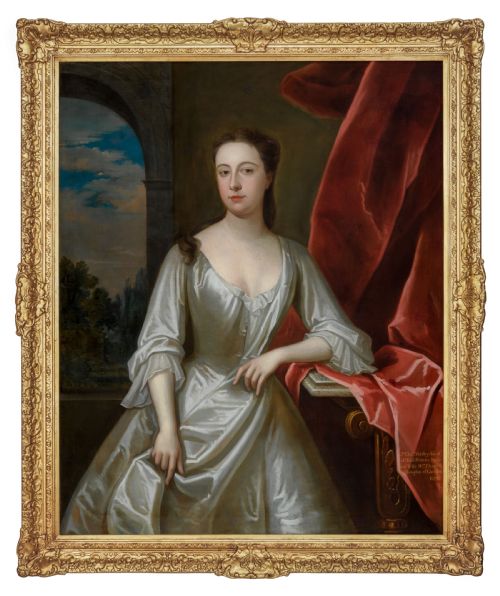
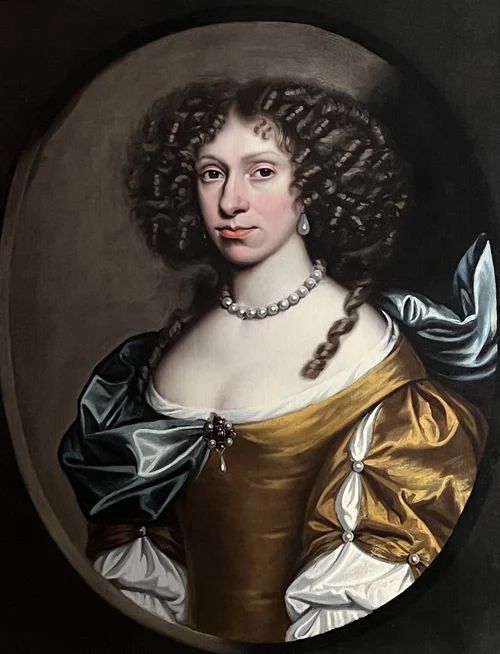
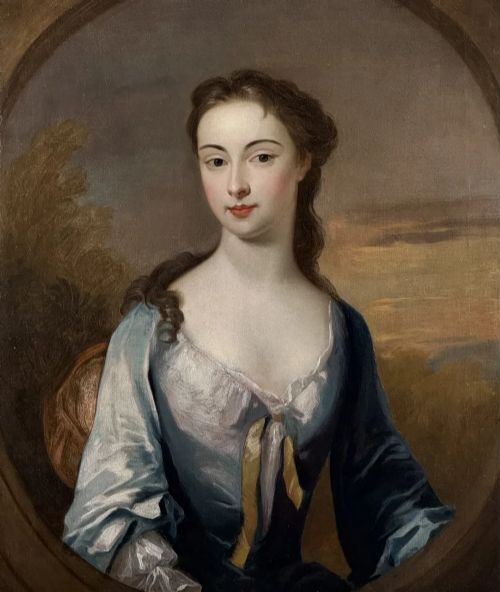
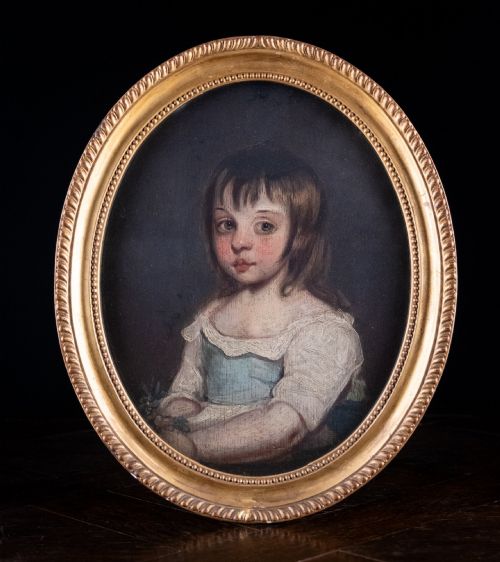
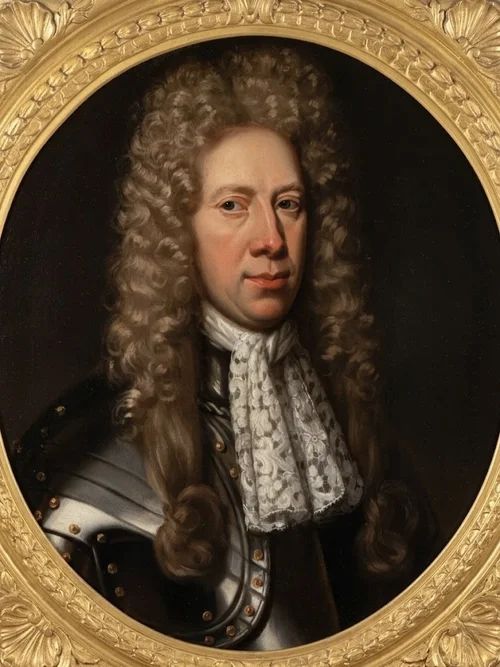
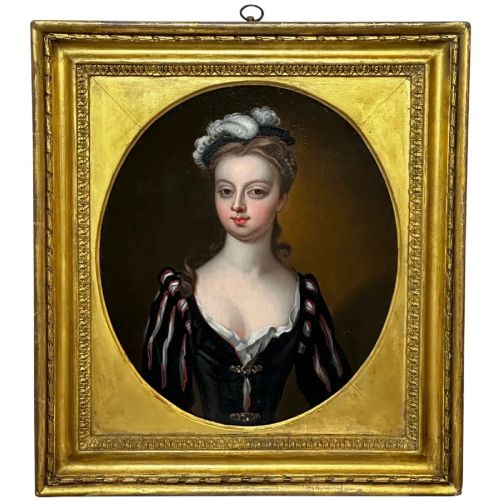
An oval oil portrait brings centuries of character into a room through curved canvases and panels framed in giltwood.
Oval Oil Portrait
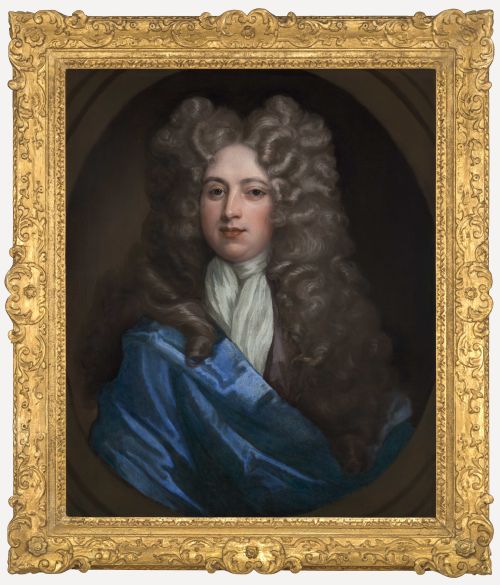
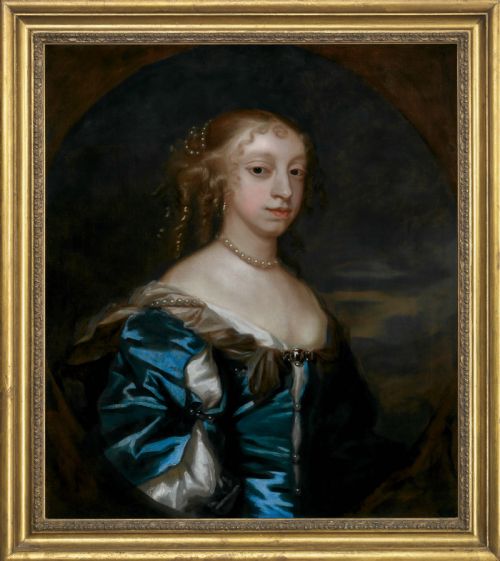
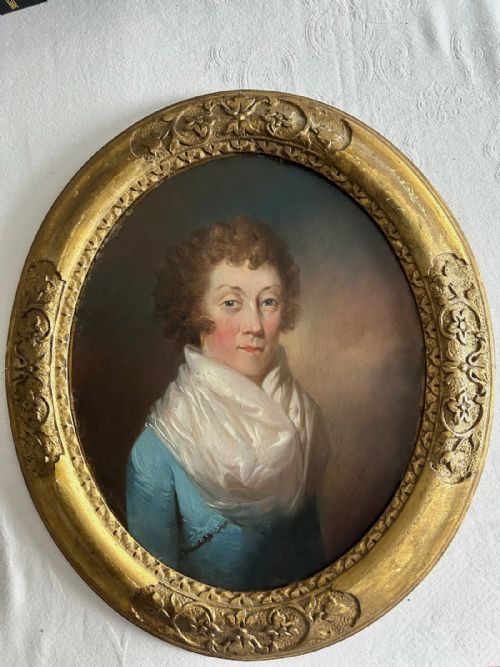
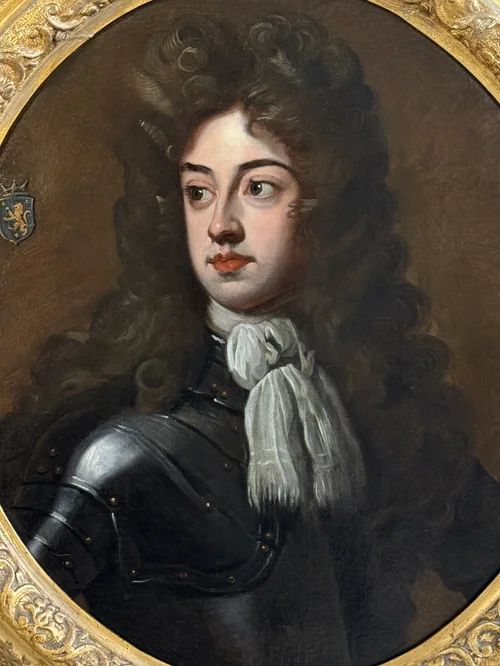
An oval oil portrait presents historical subjects, from 16th-century Italian nobility to Georgian and Victorian gentlefolk, contained within a distinct curved format. These works span the 17th, 18th, and 19th centuries, capturing sitters ranging from named aristocrats to anonymous country girls and children.
Buyers encounter British and continental schools operating within Baroque, Renaissance, Jacobean, and Academic traditions. The format naturally draws the eye inward toward the subject's face, utilising the rounded corners to soften the composition compared to rectangular canvases.
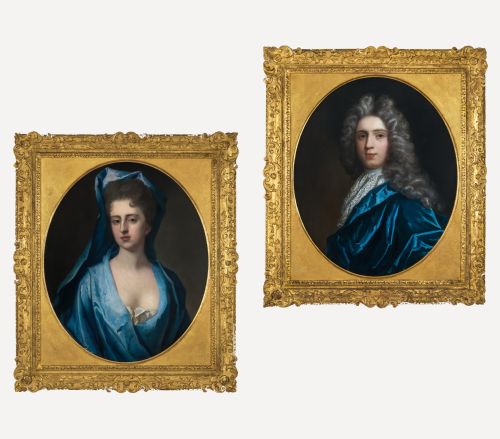
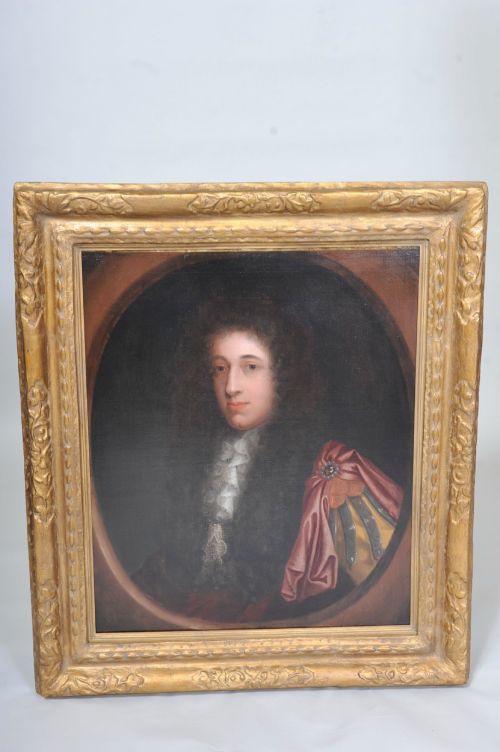
Surviving examples frequently retain their original period frames, often heavily carved giltwood or gilt brass, which complement the curvature of the painting. The selection on this page demonstrates the enduring appeal of portraiture across multiple historical periods.
How They Were Made
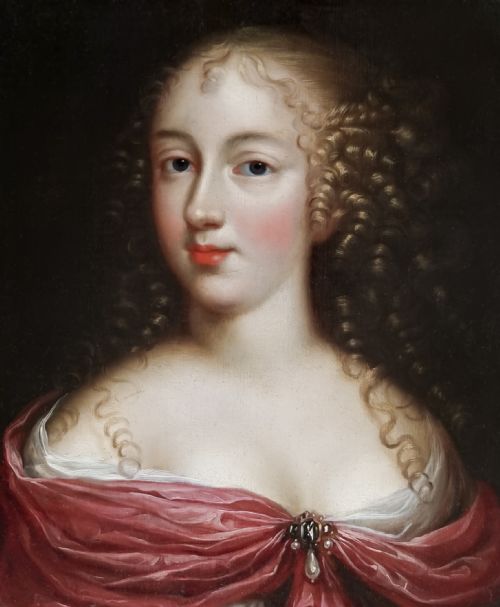
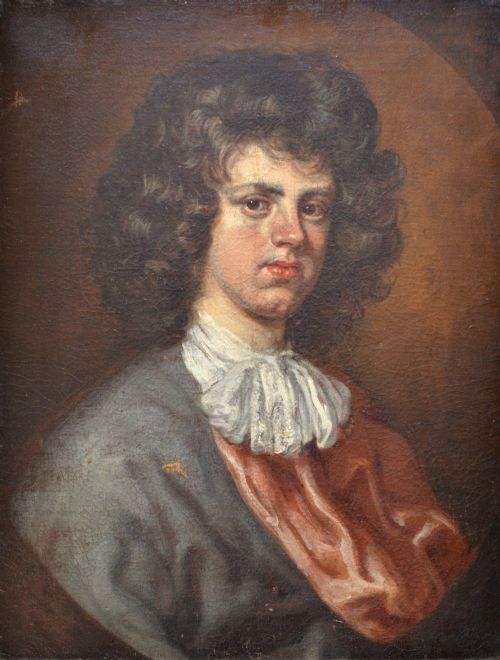
These works rely on oil paint applied to woven canvas, wood panels, copper, or board, manipulated by artists to build rich skin tones and deep drapery. Pigments are layered over prepared grounds to create depth in clothing such as blue dresses, azur cloaks, and lace collars.
Frames are constructed from wood, then gilded using gold leaf to create reflective borders that match the curved perimeters of the stretched or panel-mounted paintings. The physical union of the curved support and the enclosing frame requires precise carpentry to maintain structural integrity over centuries.
Several sitters share wall space with their beloved pets, including a sharp-eyed terrier named Nettles holding position in a heavy rococo frame.
What Varies In Quality
The sophistication of brushwork and anatomical rendering separates standard workshop output from master portraitists. Subtle handling of light on velvet, lace, and skin distinguishes works by recognised painters from simpler provincial commissions.
The preservation of the original paint layer and the authenticity of the matching giltwood frame heavily influence the integrity of the piece. Surviving inscriptions, known sitters, and documented attributions add historical weight to the physical execution of the artwork.
Sir Godfrey Kneller·David Scougall·Charles Jervas·Michael Dahl·Thomas Murray·Pierre Mignard·Mary Beale·John Scougall·Thomas Beach·Cornelius Johnson·Allan Ramsay·Agnes Dundas
The Oval Oil Portrait Glossary
- Oil on Canvas
- Pigment mixed with drying oil applied to stretched woven fabric. This was the primary medium for substantial portraiture from the seventeenth century onward.
- Giltwood
- Wood carved and coated with thin gold leaf. It provides the ornate, reflective framing typical of historical portraiture.
- Panel Painting
- Artwork executed on a flat piece of wood rather than fabric. Earlier works from the sixteenth and seventeenth centuries frequently utilise this rigid support.
- Baroque
- An artistic style spanning the seventeenth and early eighteenth centuries characterised by drama, rich colour, and dynamic tension. Portraits from this era often feature lavish drapery and intense gazes.
- Jacobean
- The style prevailing during the early seventeenth century under the reign of James I. It is noted for formal, linear depictions of sitters in elaborate costume.
Oval Oil Portrait: Frequently Asked Questions
How do I date an oval oil portrait?
Dating relies on the sitter's costume, periwigs, lace collars, and the technical execution of the paint. Examining the canvas weave, stretcher construction, and panel preparation provides further chronological evidence.
Matching stylistic traits with known portrait painters from periods like the Georgian era or the seventeenth century helps narrow the creation window.
Were these paintings originally made in ovals?
Many works were painted directly onto curved stretchers or shaped wood panels specifically to fit circular and oval formats. Other historical portraits were later cut down from rectangular canvases into ovals to fit specific decorative frames.
Inspect the edges behind the frame to see if original canvas cusping curves naturally with the perimeter.
How should I hang and light an oil portrait?
Hang the portrait on a stable interior wall away from direct sunlight and sudden temperature shifts to protect the oil paint and wood support. Use low-heat picture lights positioned above the frame to illuminate the canvas without causing glare on the varnished surface.
Ensure the wall fixings are rated to support the combined weight of the heavy giltwood frame and the painting.
What does attribution to a circle or follower mean?
Attribution to the circle of a master indicates the work was produced in the immediate milieu of a known artist during their lifetime. A follower implies a later artist working in the distinct style of that master.
These designations reflect high technical competency associated with major workshops of the seventeenth and eighteenth centuries.