


17th Century Miniature
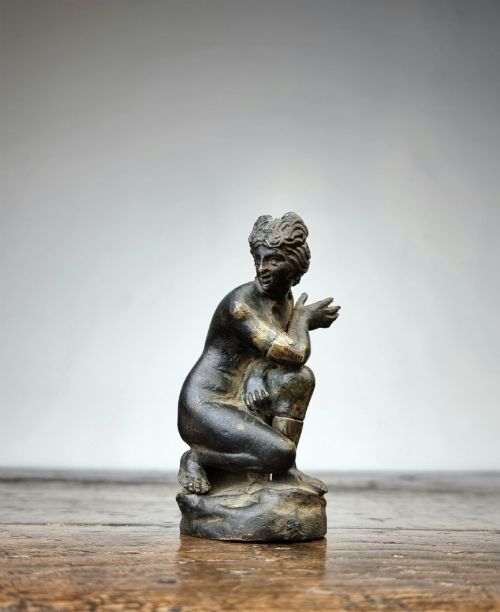
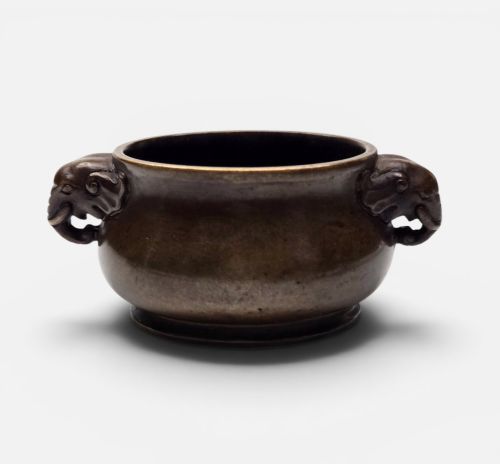
These 17th century miniature works offer compact glimpses into historical portraiture, diminutive furniture forms, and early metalwork.
17th Century Miniature
When you search for 17th century miniature, you encounter small-scale historical objects including oil paintings on copper, portrait miniatures, table cabinets, and small bronzes. These works reflect the high standard of precision required by period makers working on a reduced scale.
The selections span genuine 17th century pieces alongside later revival items from the Victorian era and the late nineteenth century, styled in the manner of the seventeenth century. Cabinets in walnut, ebony, and kingwood appear alongside statuettes, paintings, and miniature boxes.
Portrait miniatures and small oil paintings on copper form a significant portion of these listings, often depicting nobility, clergy, or notable historical figures. Alongside these pictorial works, collectors find small functional items like strong boxes, snuffers, and table cabinets.
Materials and construction methods
Makers utilised dense timbers such as walnut, oak, ebony, and kingwood for miniature furniture, cabinets, and chairs, frequently applying marquetry and fine joinery to achieve intricate exterior patterns. Metal components in brass, copper, and bronze demonstrate early casting and chasing techniques.
Paintings of this scale were executed using oil on copper, watercolours, or ink and pigment with gilt on paper. These durable surfaces allowed artists to render fine facial expressions and detailed clothing textures within very restricted dimensions.
Listings feature items from the 17th Century, 18th Century, Georgian, Victorian, and 1930 periods.
Distinguishing quality in small-scale works
Quality rests upon the crispness of detail and the fidelity of the materials to the period, whether examining the finely painted brushwork on a copper panel or the precision of dovetails on a miniature table cabinet. Later revival pieces are distinguished from period originals by the execution of their construction and the ageing of the timber or metal.
Adriaen Van der Werff·Sir Peter Lely·John Scougall
The 17th Century Miniature Glossary
- Miniature
- An item constructed or painted on a significantly reduced scale while maintaining the proportions and details of a full-sized counterpart.
- Oil on copper
- A painting technique where oil pigments are applied directly to a prepared copper sheet, yielding a smooth surface that preserves fine brushwork.
- Table cabinet
- A small freestanding piece of furniture designed to sit on a desk or table, fitted with internal drawers for storing valuables or documents.
- Marquetry
- The art of applying thin pieces of wood veneer to a structure to form decorative patterns, frequently seen on Germanic and Flemish cabinets.
- Wainscot
- A traditional style of wooden chair construction utilising panelled backs and sturdy upright posts, common in early English seating.
17th Century Miniature: Frequently Asked Questions
What is a 17th century miniature painting?
These works are small portraits or religious scenes executed on copper, panel, or parchment, designed to be held or displayed in private spaces.
Artists used fine brushes and durable surfaces to capture minute details of costume and expression that larger canvases displayed on a grander scale.
How were miniature table cabinets used?
Wealthy households utilised these small receptacles to store jewellery, documents, coins, and other precious personal items securely.
Their portable nature allowed owners to transport valuables between rooms or secure them within larger chamber furniture.
Are all listed items from the 17th century?
The inventory contains both genuine seventeenth-century pieces and later revival items dating from the Georgian, Victorian, and early twentieth centuries.
Revival pieces adopt the styles and construction methods of the earlier period while retaining the manufacturing characteristics of their actual date of creation.
What materials appear most often?
Wood varieties include walnut, oak, ebony, and kingwood, frequently paired with metals such as brass, bronze, and copper.
Pictorial works rely on oil paint, watercolours, and gilt on paper or copper plates.