





British Royal Portrait
A british royal portrait carries the solemnity of the Crown into a room, preserving monarchs and officers in oil, pastel or print.
British Royal Portrait
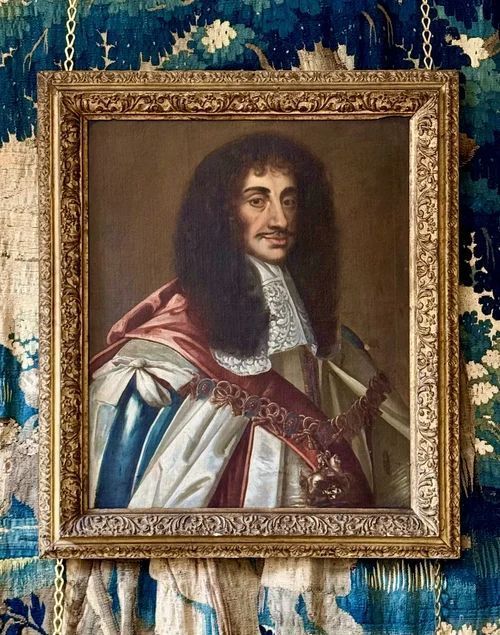
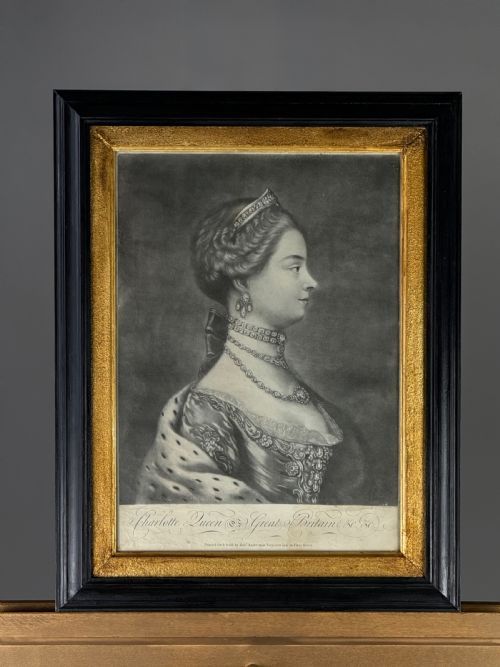
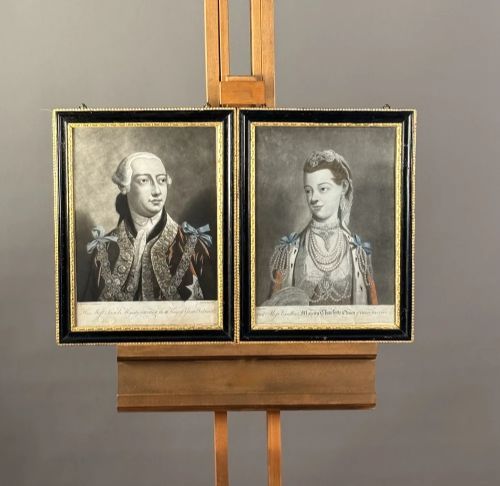
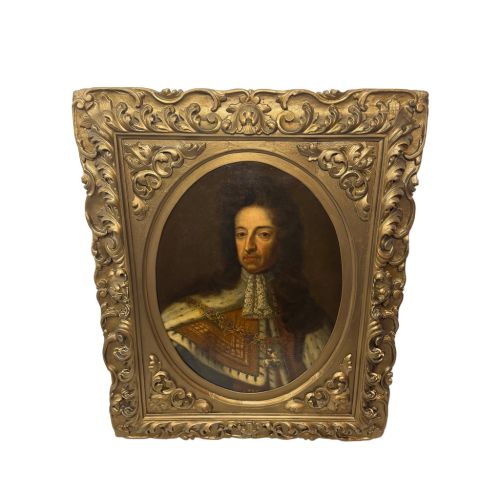
A british royal portrait encompasses depictions of monarchs, military leaders and public figures linked to the Crown, spanning centuries of courtly and national life. Collectors encounter works ranging from early 17th-century oils associated with major workshops to 20th-century pastel sketches and commemorative jubilee studies.
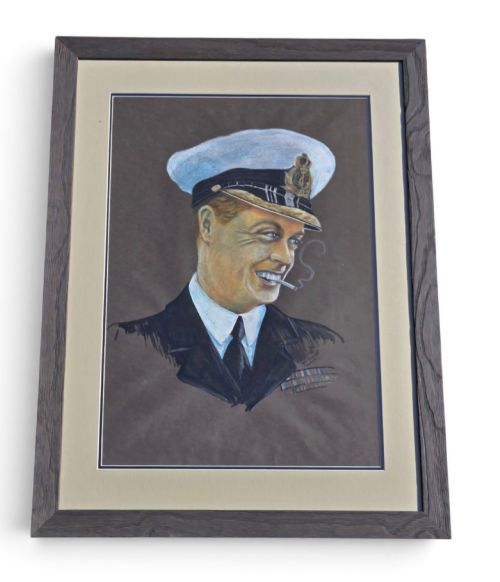
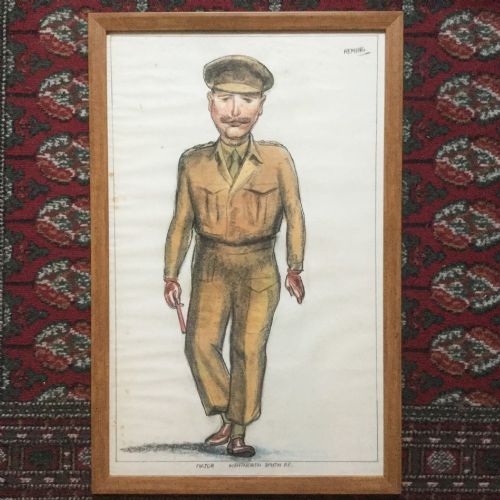
Pieces frequently reflect specific historical moments, from commemorative royal silver jubilee presentations to wartime military commissions. These works bridge fine art and historical documentation, offering direct visual links to British heritage.
How They Were Made
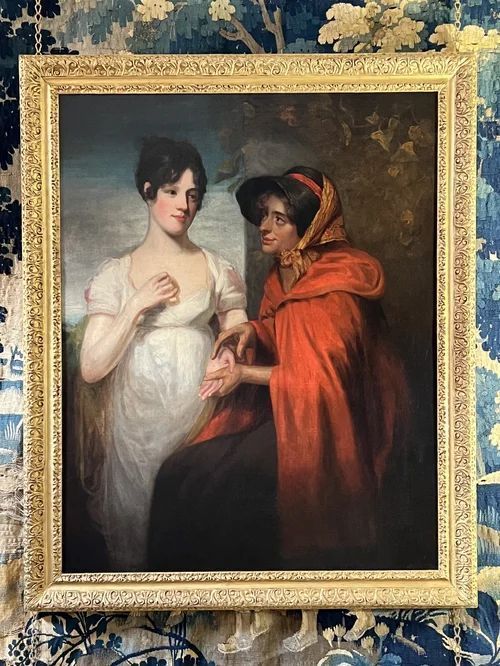
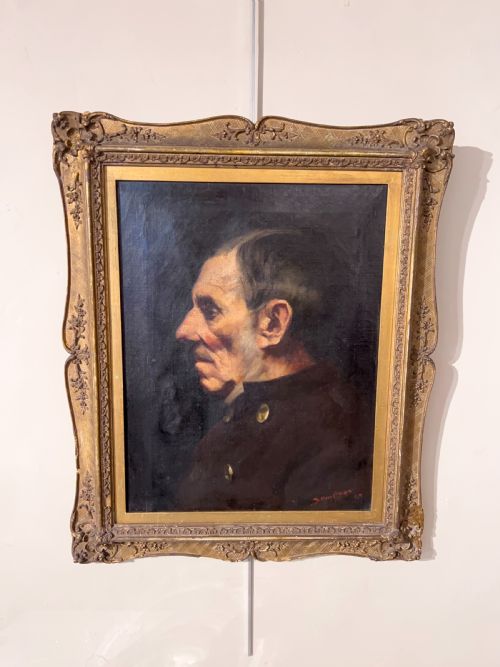
Artists primarily worked with oil paint on stretched canvas or wooden boards, building rich layers of colour to capture the textures of velvet robes, gold lace and powdered hair. Mezzotint printmaking techniques allowed publishers to reproduce popular royal likenesses on paper for wider circulation.
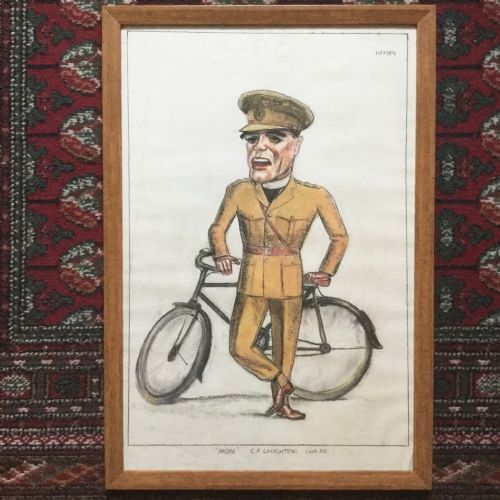
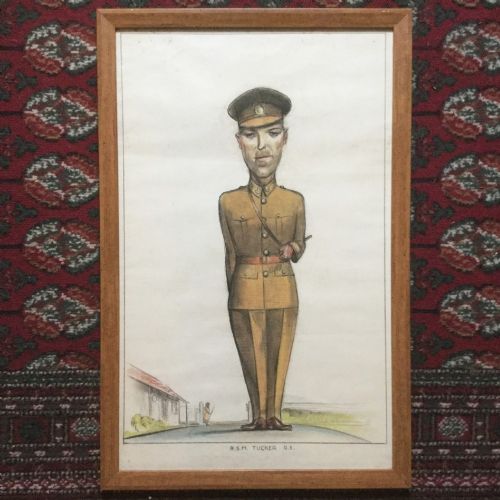
Pastel and gouache gained favour for rapid, expressive portrait sketches, particularly during wartime when artists recorded officers and personnel with immediate strokes on paper. Frames played an integral role, utilising carved wood and gilt surrounds to elevate the status of the hanging artwork.
Listings span from the 17th century through the mid-20th century, employing canvas, oil paint, paper, pastel and glass.
What Varies In Quality
The distinction between a studio piece and an independent masterwork rests in the handling of facial expression, light and drapery. Skilled hands render the sitter with psychological depth and anatomical precision, whereas lesser works rely on formulaic repetition of royal insignia.
Originality of medium and the prestige of the artist or associated circle heavily influence the standing of a portrait. Contemporary inscriptions, original period frames and documented provenance to royal presentations add layers of historical integrity to the physical object.
Sir William Beechey·John Smith·Thomas Murray·Sir Peter Lely·John Opie·James McArdell·Jeremiah Meyer·Thomas Frye·Richard Purcell·Bertram Priestman·Ronald Ossory Dunlop·Arthur Todd·Sir Godfrey Kneller·Roland Batchelor·Aubrey Sykes·William Owen·Henry Stone·Geoffrey Mortimer·Kershaw Schofield·Allan Gwynne-Jones·Edward Bird·Henry Walton·Henry L Gates·Samuel Lane·John Laviers Wheatley
The British Royal Portrait Glossary
- Mezzotint
- A printmaking process of the intaglio family where the plate is roughened uniformly to achieve rich tonal gradations. It became the primary method for translating grand oil paintings into collectible portrait prints during the 17th and 18th centuries.
- Oil on Canvas
- A traditional painting medium utilising pigments suspended in drying oils applied to primed woven fabric. This combination allowed artists to achieve luminous depth and detailed rendering of court dress.
- Pastel
- A dry drawing medium consisting of powdered pigment and a binder, highly valued for its velvety texture and immediate colour application. Artists utilised it extensively for preparatory studies and finished portraits alike.
- Gouache
- An opaque water-based paint that dries to a matte finish, frequently combined with pastel on paper. It provided portraitists with solid highlights and dense background tones during sketching sessions.
- Mezzotint Portrait
- A printed likeness created via the mezzotint method, often depicting monarchs or military commanders after original canvases by court painters. These prints circulated widely among collectors of British historical figures.
British Royal Portrait: Frequently Asked Questions
What is a british royal portrait?
A british royal portrait is an artwork depicting a monarch, member of the royal family or high-ranking military officer connected to the Crown.
These pieces range from formal oil paintings created in royal workshops to intimate pastel sketches and printed mezzotints produced for public commemoration.
How were these portraits displayed?
Historical portraits of this nature hung in stately homes, civic institutions and corporate boardrooms to project loyalty, authority and national pride.
They were typically mounted in heavy gilt wood frames designed to command attention within formal interior spaces.
How do I identify the period?
Dating relies heavily on the sitter's costume, hair styling, military uniform details and painting techniques characteristic of specific centuries.
Inscribed presentation plaques, framing styles and artist signatures further anchor the work to a precise era such as the Georgian or Victorian periods.
How should I care for a canvas portrait?
Oil paintings on canvas require stable indoor humidity and protection from direct sunlight to prevent paint cracking and fading.
Dusting should be performed gently with a soft, dry brush by someone experienced in handling historic artwork.