



William and Mary Art
William and mary art captures the sombre elegance of late seventeenth-century portraiture and needlework.
William and Mary Art
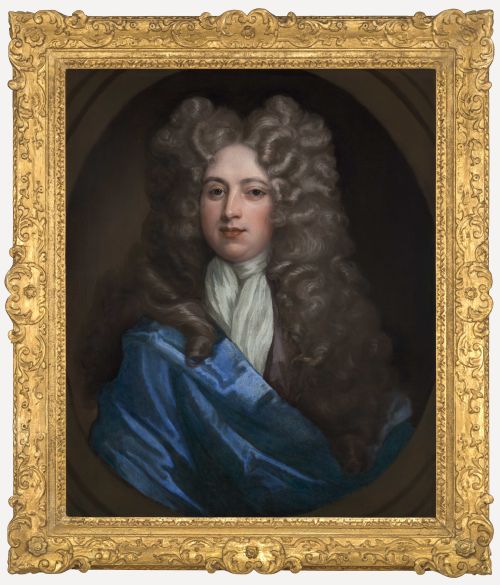
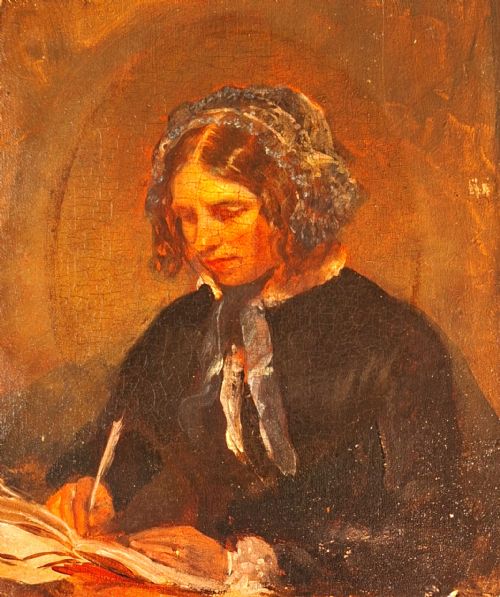
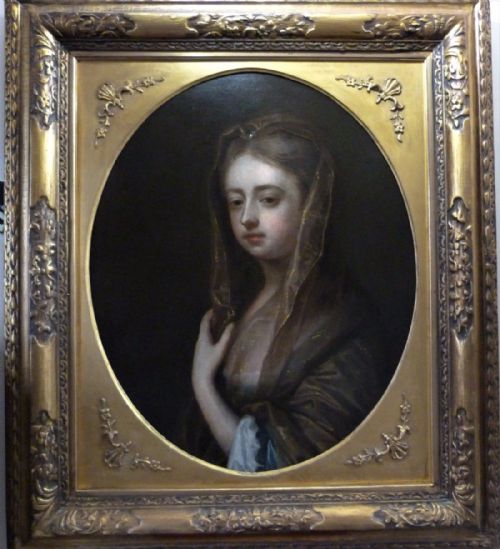
William and mary art encompasses oil paintings and textile pieces from the seventeenth and eighteenth centuries, alongside later nineteenth-century interpretations. The selection leans heavily towards portraits of gentlemen and ladies, often executed in oil on canvas.
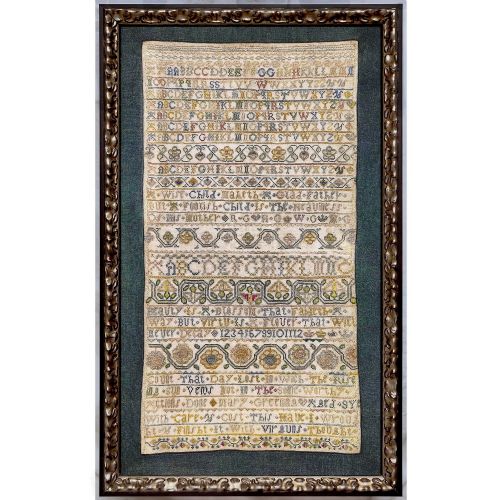
Beyond painted canvases, buyers encounter framed cartography and delicate needlework samplers. These objects reflect the visual culture of the Stuart and Georgian periods, capturing both courtly figures and domestic handiwork.
Assessing Quality
The standard of portraiture depends on the fidelity of the likeness and the handling of drapery by the artist or studio. Works linked directly to notable painters or their circles carry greater distinction.
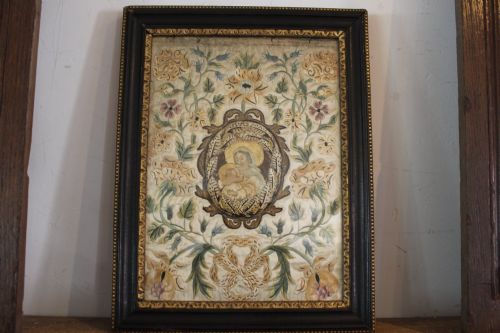
In needlework, quality rests on the complexity of the stitching and the preservation of silk and metallic threads. Intricate silk embroidery panels require careful observation of the surviving ground fabric.
Materials recorded across the inventory include giltwood, glass, metallic thread, and wood alongside traditional canvas.
Thomas Murray·Sir Godfrey Kneller·Robert Morden·William Marlow·Michael Dahl·William Wissing
The William and Mary Art Glossary
- Baroque
- An artistic style of the seventeenth century characterised by drama, rich detail, and grand scale. It heavily influences the portraiture of this era.
- Sampler
- A piece of needlework produced as a demonstration or test of skill, often featuring alphabets, names, and dates. They serve as primary records of domestic education.
- Giltwood
- Wood carved and covered with a thin layer of gold leaf, commonly utilised for framing fine art and mirrors. It provides a bright, reflective border to dark oil paintings.
- Cartography
- The science or practice of drawing maps, such as engraved antique county maps from the turn of the eighteenth century. These are frequently framed for display on walls.
William and Mary Art: Frequently Asked Questions
What defines william and mary art?
These pieces represent the visual culture of the late seventeenth century, centring on oil portraits and stitched samplers. They reflect the aesthetic preferences of the Stuart era.
Works often depict notable figures in periwigs and elaborate cloaks, alongside domestic needlework produced by named individuals.
How should I hang oil paintings?
Oil paintings on canvas require stable environmental conditions away from direct sunlight and excessive humidity. Proper wall anchoring supports the weight of heavy giltwood frames.
Keep pieces clear of heat sources to prevent the canvas and wooden stretchers from warping over time.
Are needlework samplers fragile?
Silk and metallic threads on linen grounds demand careful preservation behind protective glass to block dust and light damage. Fabric fibres weaken as they age.
Displaying samplers out of direct sunlight prevents the fading of dyed silk and preserves the integrity of the stitching.
How are periods identified?
Dating relies on costume details, such as periwigs and collars, alongside contemporary inscriptions and stylistic traits associated with seventeenth-century studios. Attributions often emerge from signatures or archival records.
Material analysis of the canvas and frame construction also helps confirm whether a piece belongs to the original period or a later nineteenth-century revival.