


Aristocratic Female Portrait
An aristocratic female portrait brings the grandeur of past centuries into a room through oil on canvas and fine print works.
Aristocratic Female Portrait
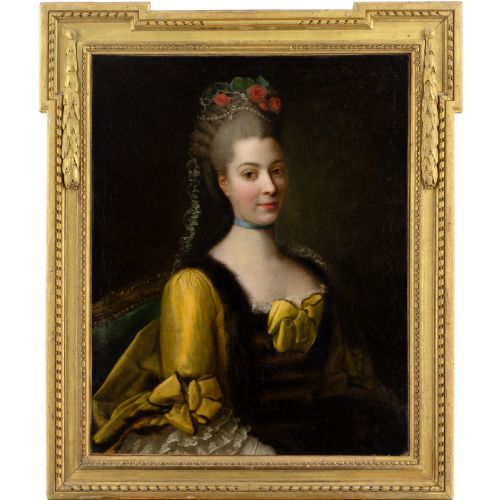
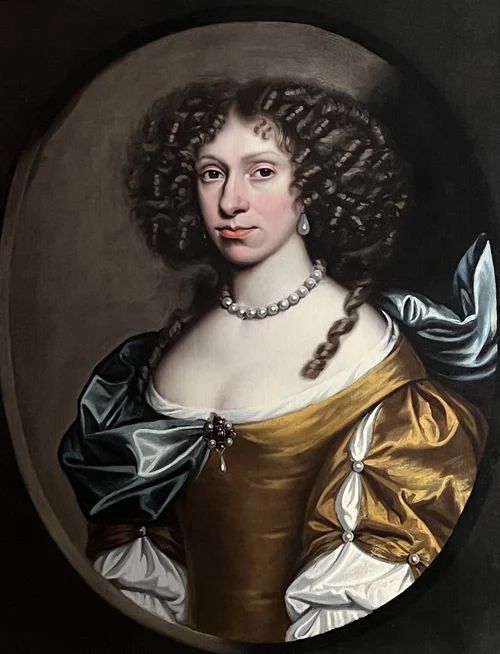
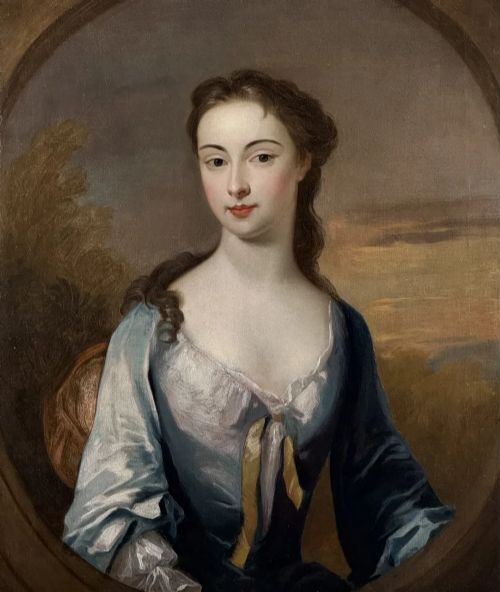
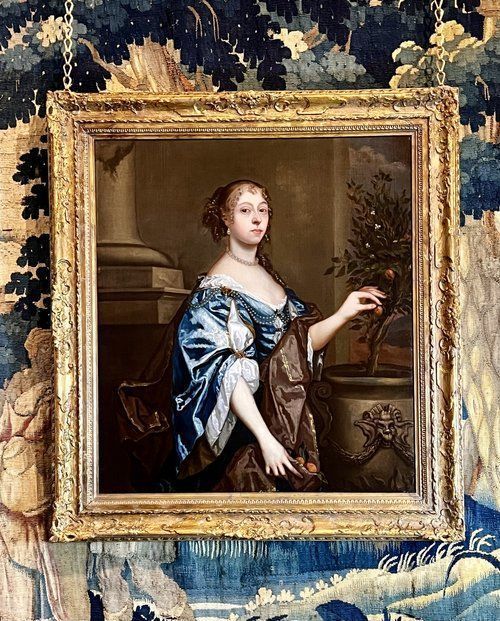
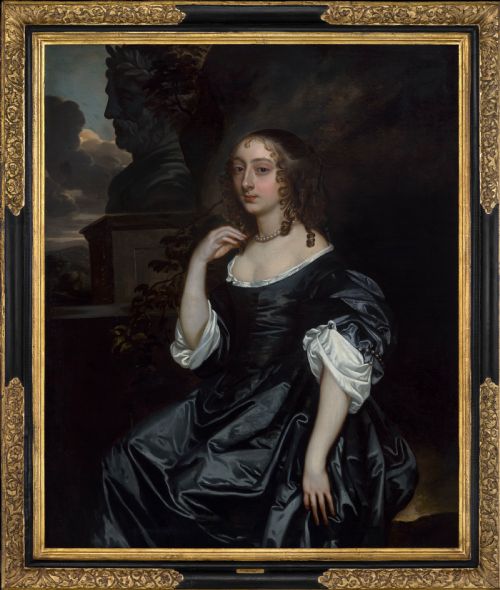
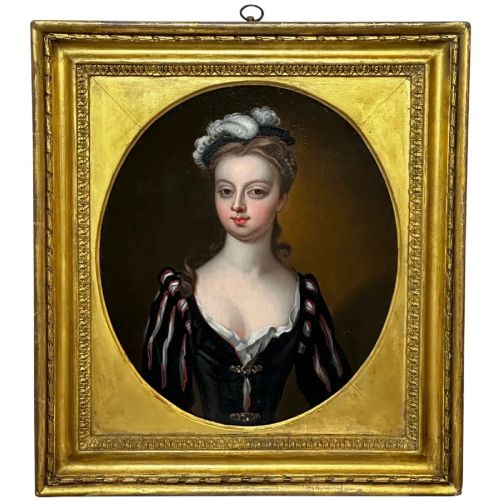
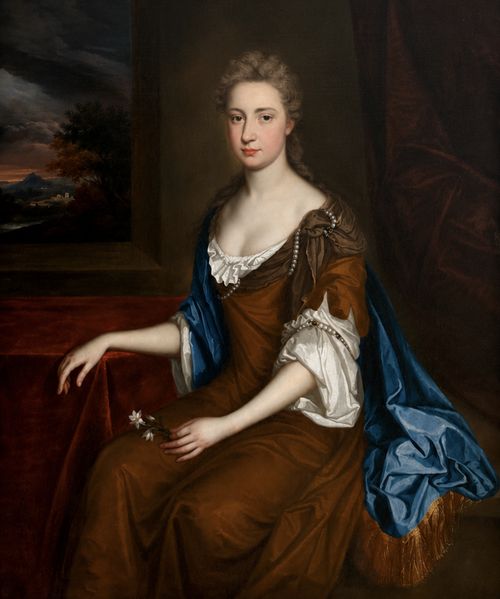
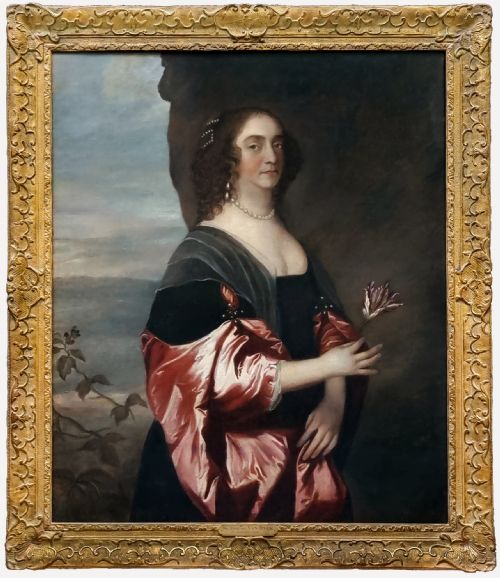
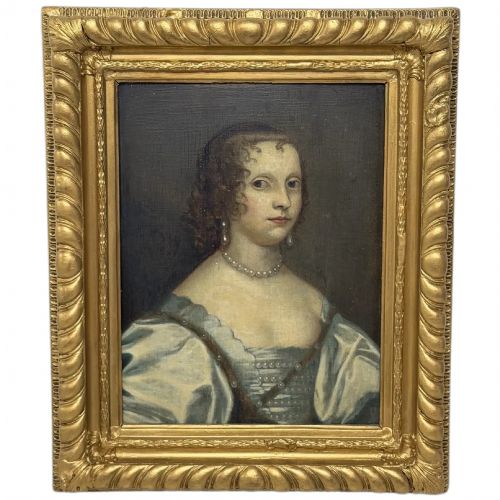
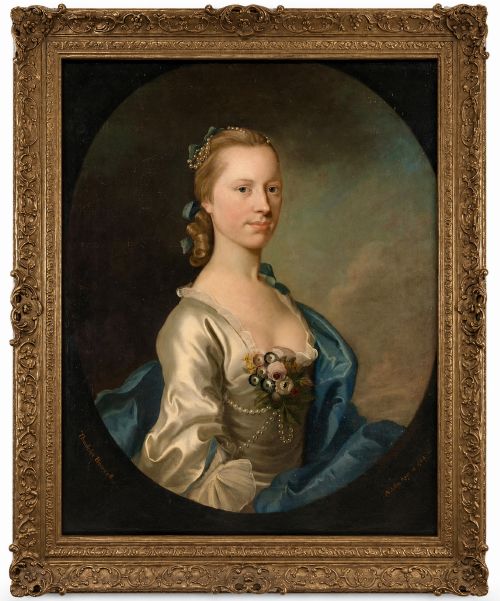
An aristocratic female portrait captures the likeness and status of noblewomen from the seventeenth, eighteenth and nineteenth centuries. These works record the elaborate gowns, pearls and expressions of titled figures across Britain, France, the Netherlands and Norway.
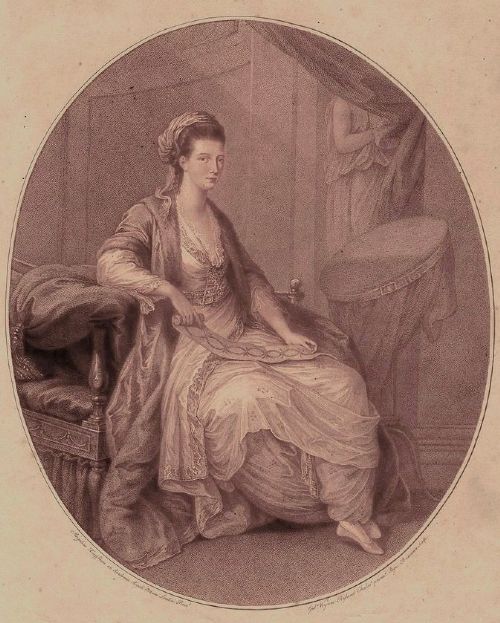
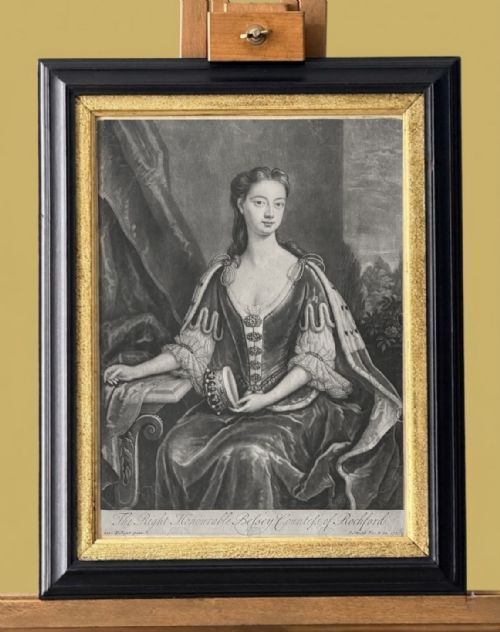
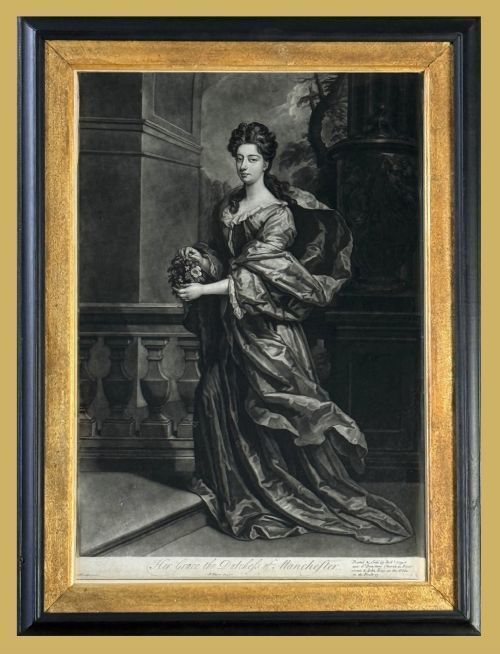
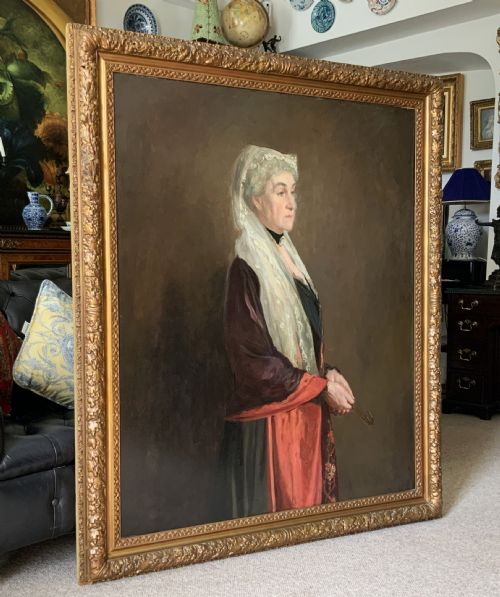
The version most frequently met on this page is the oil painting on canvas, often rendered within a period giltwood frame. Buyers also encounter portrait prints, such as mezzotints and engravings on paper, alongside works executed on oak panel.
The subjects range from named countesses and duchesses to members of prominent families like the Markhams, Palmers and Trench sisters. Such pieces anchor a space with historical presence and documentary weight.
Materials and construction
These works rely on oil paint applied to stretched canvas or wooden panels, utilising rich pigments to render fabrics like silk, velvet, satin and ermine. Painters built up layers to capture the subtle play of light on skin, hair and jewels.
Works on paper employ engraving or mezzotint techniques to translate painted compositions into durable printed form. Frames of carved wood and gold leaf frequently accompany the canvases, completing the structural presentation.
Listings span four centuries of portraiture, moving from Stuart and Baroque oil paintings to Victorian watercolours and prints.
Assessing the execution
The finesse of the brushwork and the confidence in anatomical rendering separate the master workshop pieces from routine studio output. Superior examples display subtle tonal gradations in fabrics and lifelike depth in the facial expression.
The preservation of the original surface and the condition of the pigments dictate the visual impact of the canvas. Secondary qualities include the integrity of the period giltwood frame and the documented attribution to a known hand.
David Scougall·John Hayls·Charles Jervas·Pieter Borsseler·Sir Peter Lely·John Smith·John Vanderbank·John Faber Jr·Sir Godfrey Kneller·Allan Ramsay·Gainsborough·Robert Edward Morrison·Pieter Nason·George Perfect Harding·Thomas Murray·Robert Byng·Philip Mercier·John Michael Wright·Joseph Highmore·Michael Dahl·Thomas Hickey
The Aristocratic Female Portrait Glossary
- Mezzotint
- A printmaking process of the intaglio family where the plate is roughened to achieve rich dark tones and smooth gradations. This technique allowed eighteenth-century printmakers to faithfully reproduce oil paintings of noble subjects.
- Giltwood
- Wood carved and coated with a thin layer of gold leaf or gilt powder. It forms the traditional decorative framing material for formal portraits.
- Oak Panel
- A rigid wooden support constructed from oak boards, commonly used for paintings before canvas gained widespread favour in the seventeenth century.
- Circle of
- A designation indicating the work is by an unidentified artist closely associated with a master's style and workshop. It denotes proximity to a known hand without direct attribution.
- Baroque
- An artistic style prevalent during the seventeenth and early eighteenth centuries, characterised by drama, rich detail and grand movement. Portraits from this period emphasise elaborate drapery and imposing presence.
Aristocratic Female Portrait: Frequently Asked Questions
How do I identify the sitter in a portrait?
Identification relies on contemporary inscriptions, family provenance, heraldic crests, or visual comparison with documented likenesses in public archives. Many canvases carry old handwritten notes on the stretcher or reverse.
When these markers are absent, researchers examine the sitter's costume, hairstyle and jewellery to narrow down the decade and social circle.
Where should I hang an oil portrait?
These works require stable environmental conditions away from direct sunlight and strong heat sources to protect the canvas and oil pigments. Placing them on interior walls helps prevent temperature fluctuations that cause cracking.
Traditional rooms with neutral or dark tones provide a suitable backdrop that complements the deep hues of seventeenth and eighteenth-century palettes.
How can I distinguish a seventeenth-century canvas from a later copy?
Examination of the canvas weave, stretcher construction and nail types offers initial clues regarding the age of the support. Hand-woven linen and primitive handmade tacks typically point to earlier periods.
Pigment analysis and the network of fine cracks known as craquelure provide further evidence of the painting's true age under microscopic inspection.
What is the significance of the frame?
Period frames contribute significantly to the historical integrity and visual balance of an aristocratic portrait. Original giltwood mouldings reflect the aesthetic tastes of the era in which the subject was painted.
A matching period frame enhances the overall presentation and protects the outer edges of the canvas from physical damage.