

Historic Portrait on Canvas
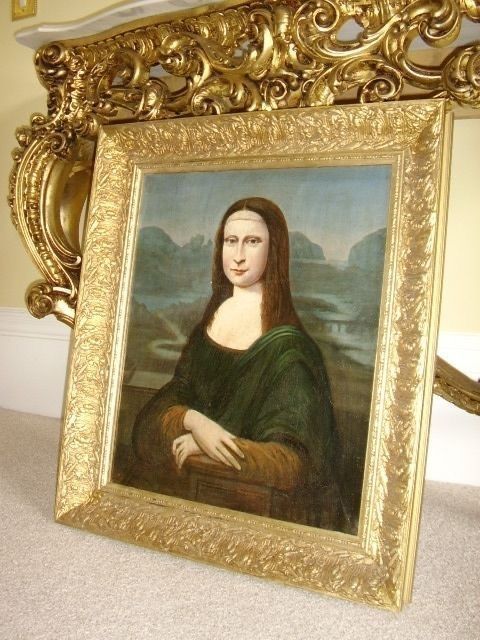
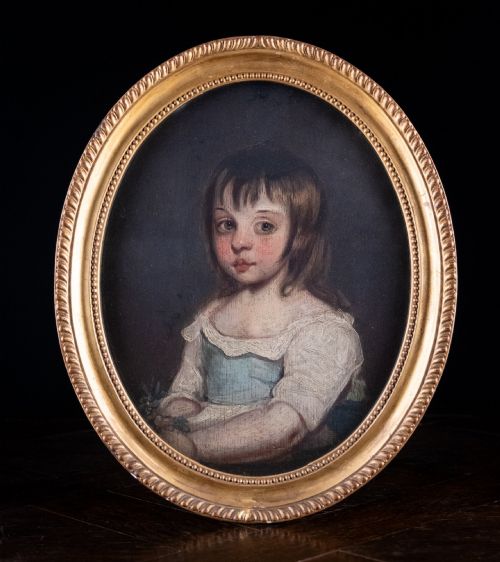
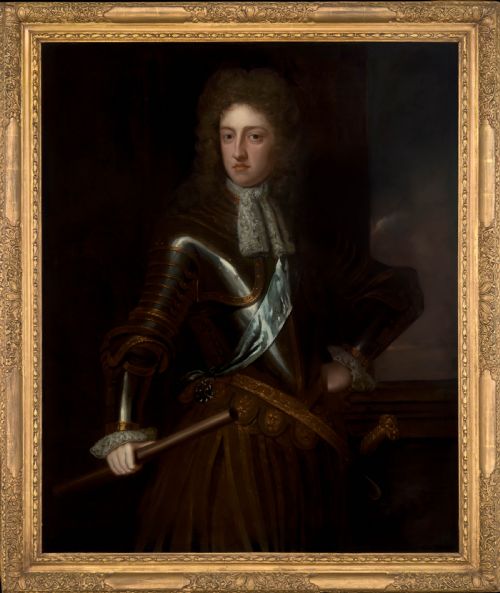
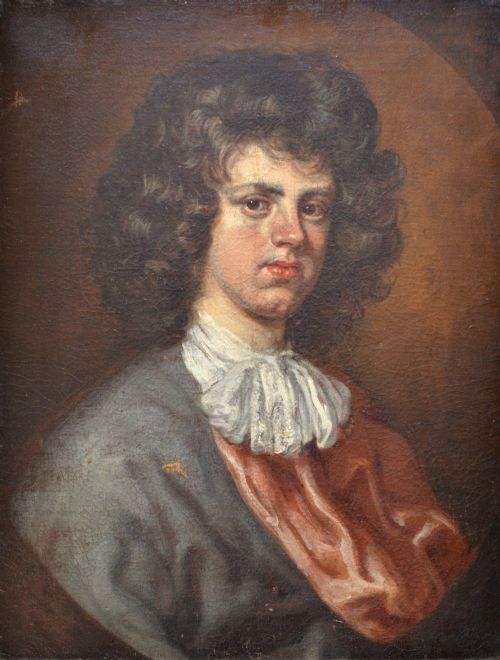
When you search for a historic portrait on canvas, you encounter centuries of oil painting traditions preserved on stretched woven fabric.
Historic Portrait on Canvas
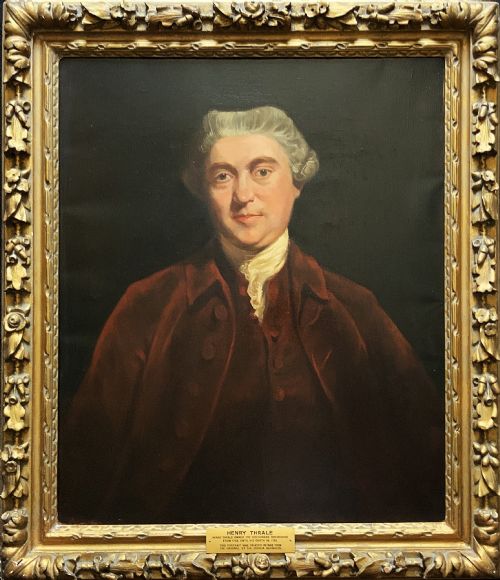
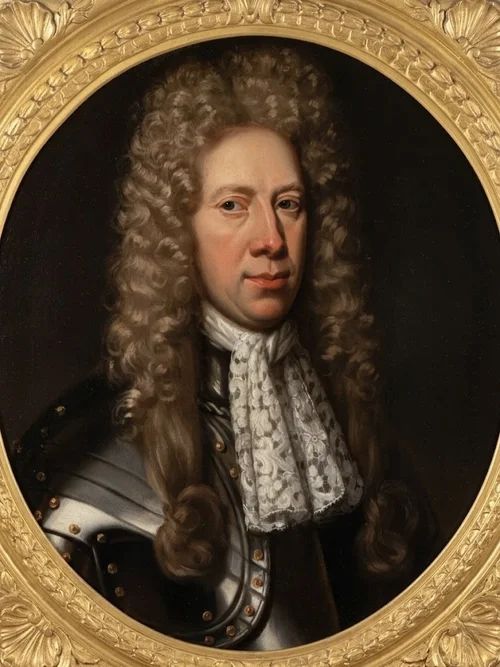
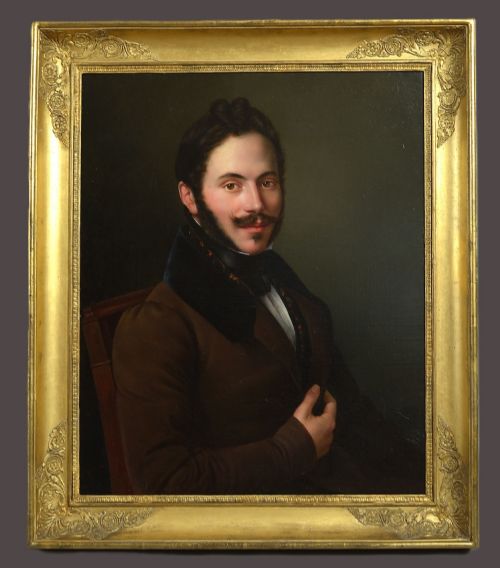
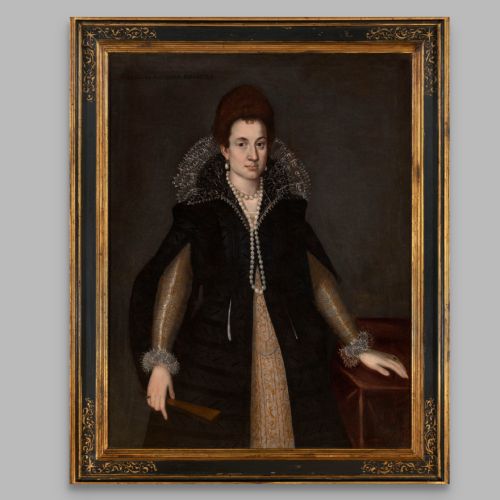
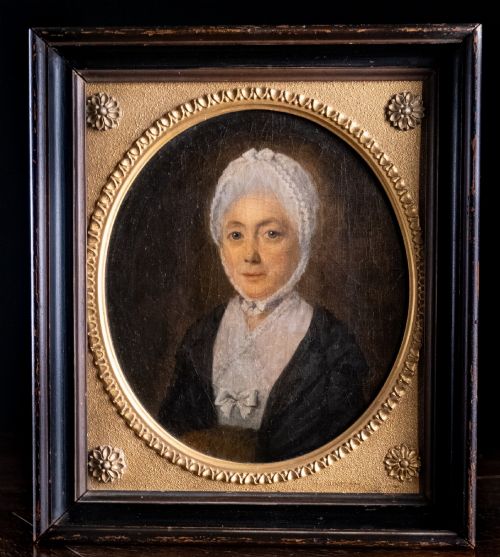
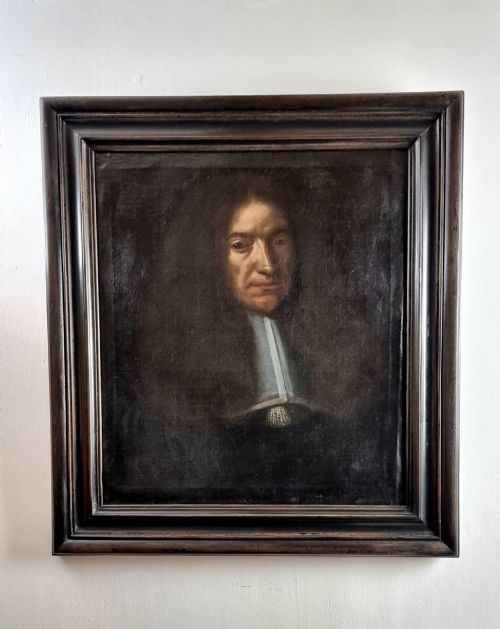
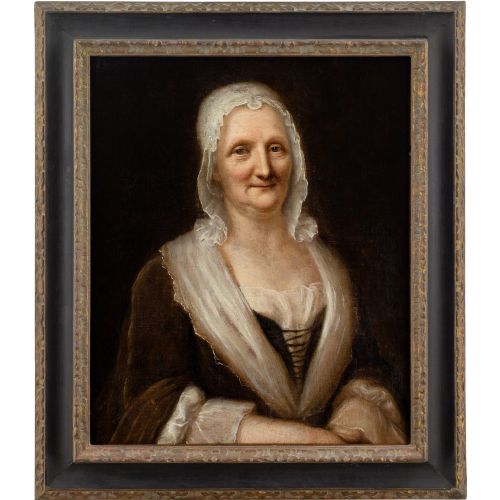
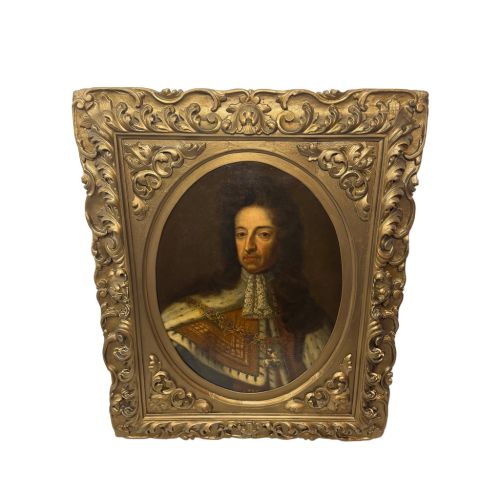
A historic portrait on canvas represents a painted likeness of an individual, recorded primarily through oil paint on woven supports.
The selections span distinct periods including the seventeenth, eighteenth, and nineteenth centuries, alongside Georgian and Regency eras.
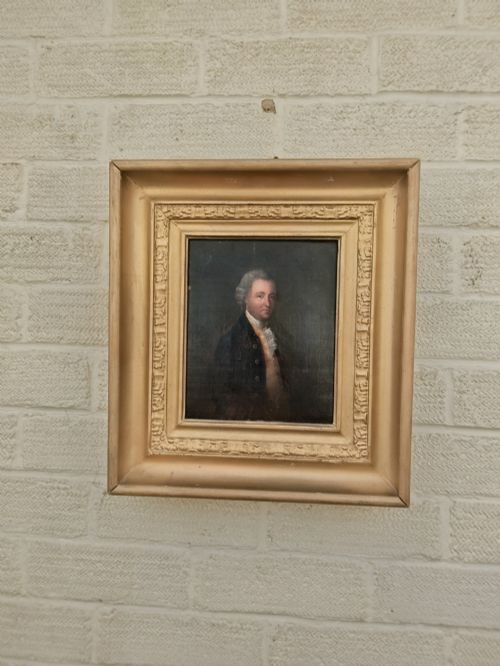
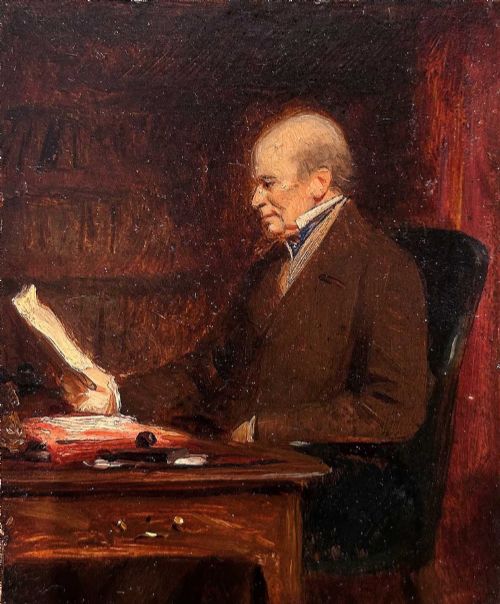
Subjects range from named noblemen and military officers to anonymous country girls, elderly ladies, and gentlemen in formal attire.
Distinctions in Quality
Skill in rendering facial anatomy, expression, and the textural weight of drapery separates master works from standard studio pieces.
The integrity of the original canvas support and the preservation of the pigmented surface dictate the visual strength of each composition.
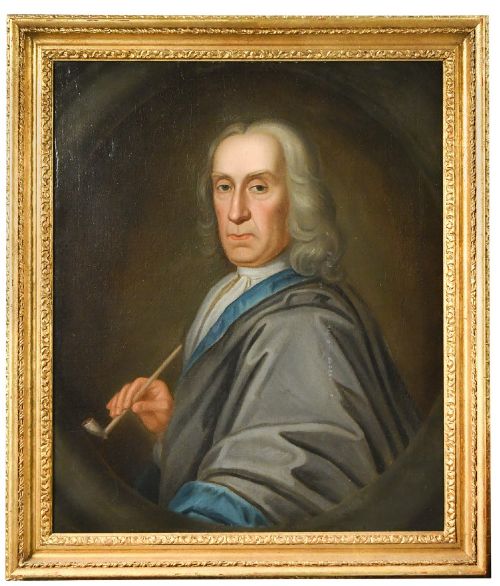
Several gentlemen in these historic portraits proudly pose while holding everyday items like tobacco pipes and human skulls.
Sir William Beechey·Sir Godfrey Kneller·Mary Beale·Sir Joshua Reynolds·John Scougall·Edouard Pingret·Pietro Fachetti·Joseph Highmore·John Greenhill
The Historic Portrait on Canvas Glossary
- Oil on Canvas
- A painting medium where pigments are suspended in drying oils and applied to a woven fabric support. This combination allowed artists to blend tones smoothly and work with rich layers of colour.
- Giltwood
- Wood carved and coated with a thin layer of gold leaf or metallic powder. Frames made this way provide ornate borders that complement the formality of early oil portraits.
- Circle of
- A designation indicating that an artist worked during the same period and within the stylistic orbit of a known master, often sharing workshop practices.
- Baroque
- An artistic style characterised by dramatic movement, deep shadow, and rich detail. Portraits from this tradition often emphasise grand gestures and theatrical lighting.
Historic Portrait on Canvas: Frequently Asked Questions
How do I identify the period of an oil portrait?
Clothing styles, wig designs, and framing methods often provide the clearest clues to the decade or century in which a portrait was executed.
Examining the canvas preparation and the ageing of the oil paint further assists in confirming the historic era.
What is the difference between a named sitter and an anonymous portrait?
Named sitters are identified through inscriptions, archival records, or family provenance linked to the canvas.
Anonymous portraits depict unidentified subjects, whose charm relies purely on the artistic execution and character captured by the painter.
How should I care for a historic canvas painting?
Keep the artwork away from direct sunlight and fluctuating humidity to protect the wooden stretcher and the oil paint layer.
Dust the surface gently with a soft, dry brush and avoid using liquid cleaners on the canvas or the giltwood frame.
Why are some portraits attributed to a circle or school?
These terms indicate that a painting was produced by an anonymous hand working closely in the style of a prominent master or regional tradition.
Such works reflect the prevailing artistic standards of a workshop rather than carrying the documented signature of the master himself.