
17th Century Male Portrait
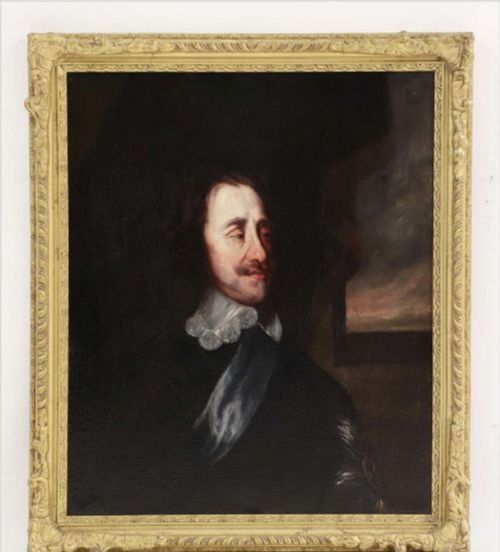
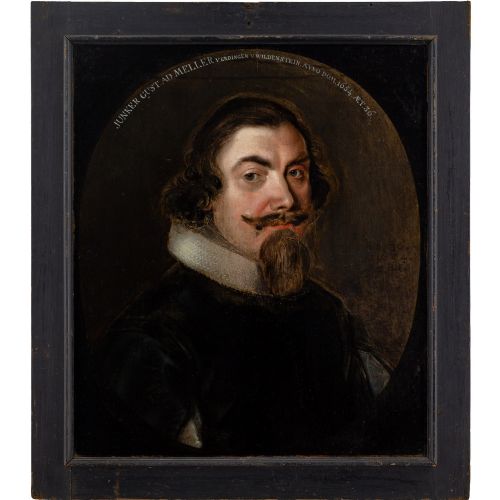
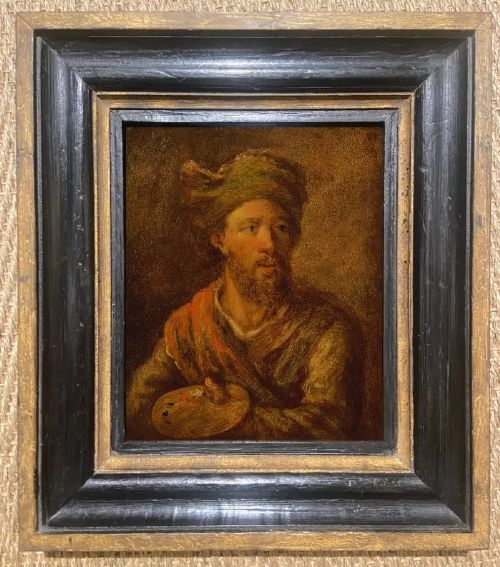
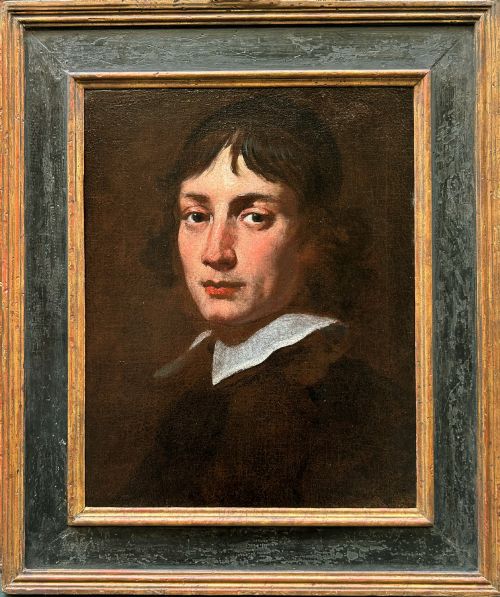
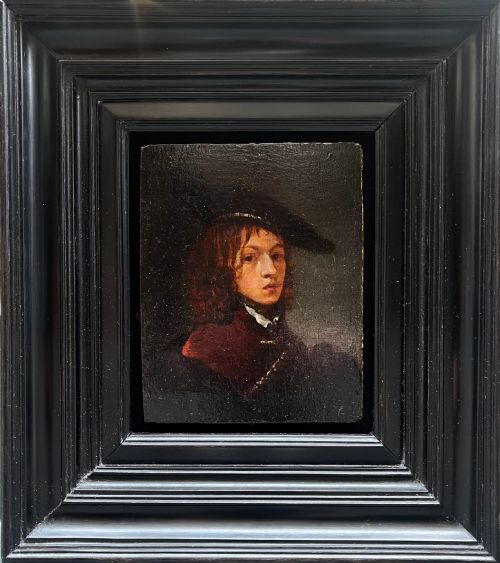
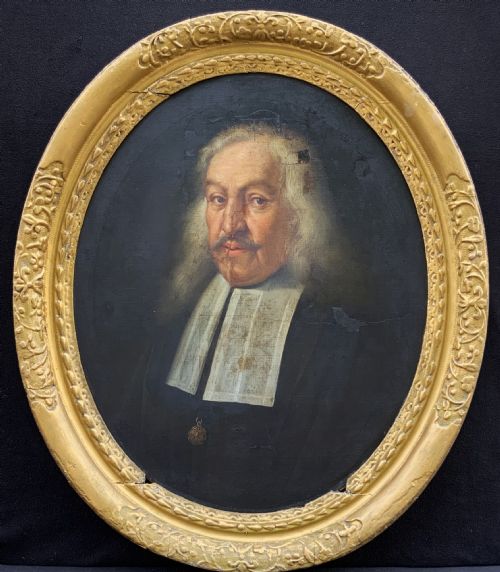
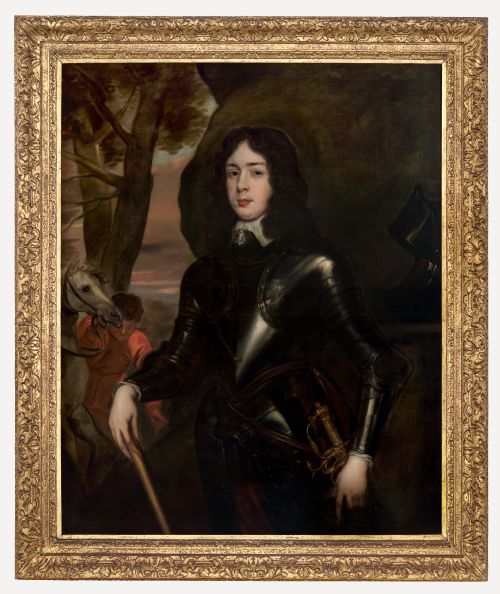
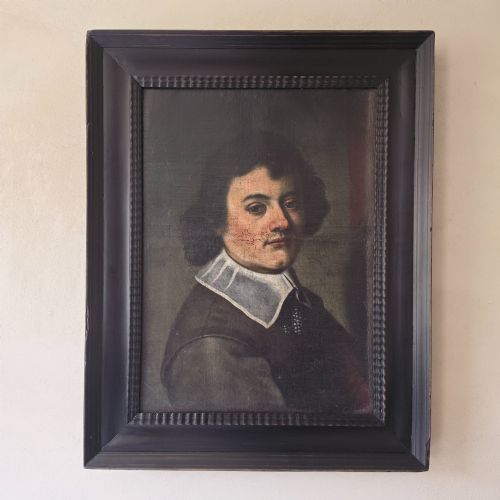
A 17th century male portrait captures the likeness of gentlemen, royals and scholars in oil on canvas.
17th Century Male Portrait
When searching for a 17th century male portrait, a buyer looks at oil paintings on canvas depicting aristocratic gentlemen, military officers, and scholars. These works originate from various European schools, including English, Dutch, Flemish, and German workshops.
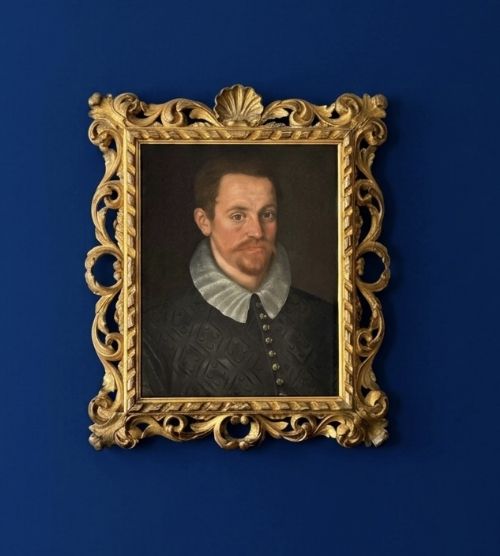
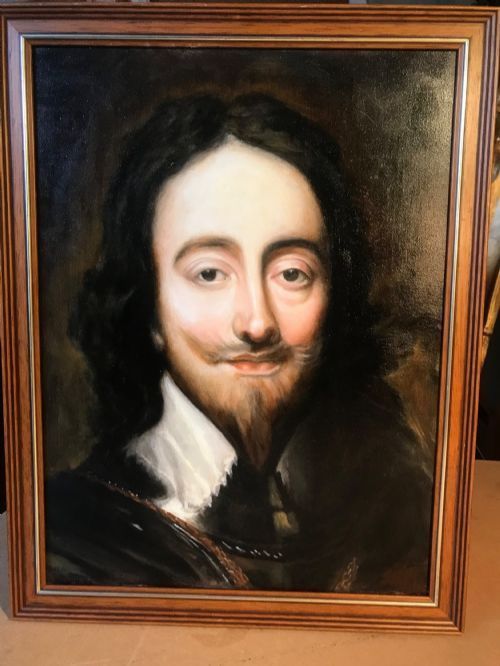
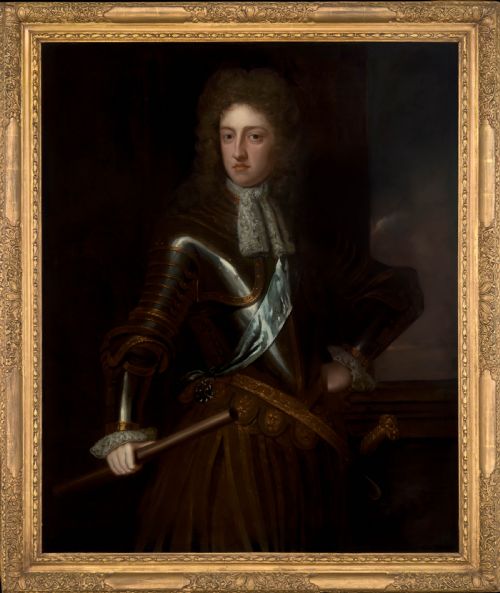
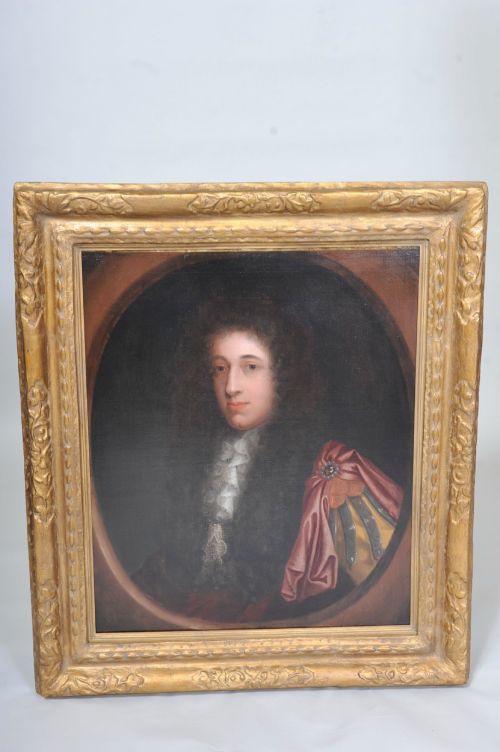
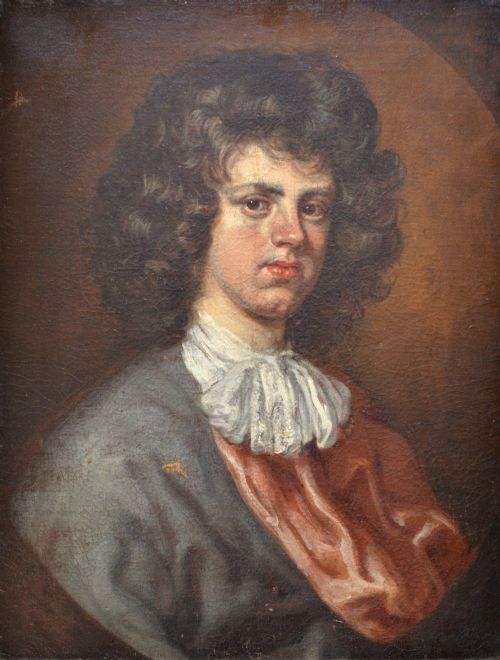
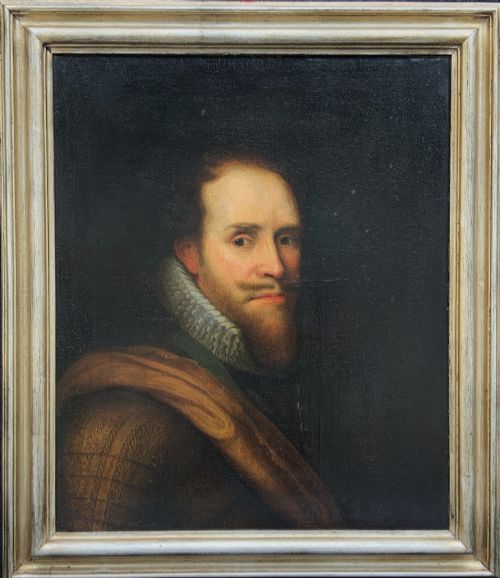
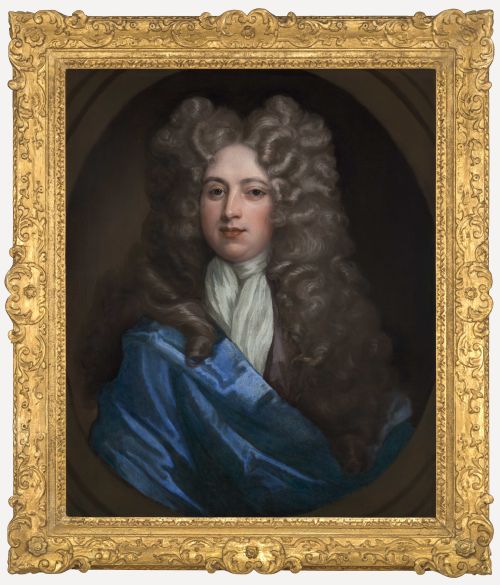
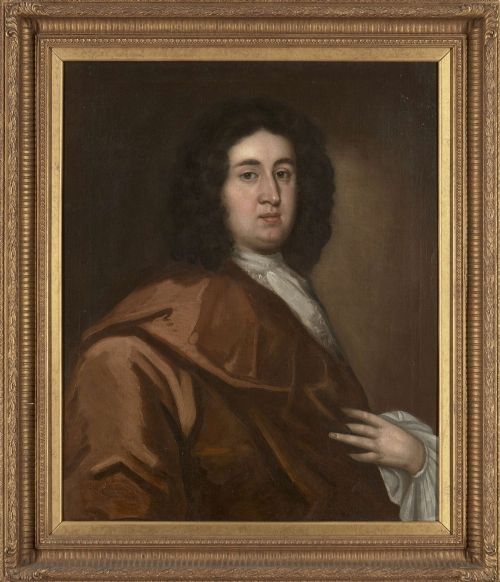
The most common examples on this page are oil paintings executed in the Baroque or Jacobean style, often reflecting the likeness of notable historical figures or anonymous sitters in period attire such as ruffs, doublets, and periwigs.
Many of these artworks emerge from the circle or studio of prominent portraitists, representing the broader artistic production of the seventeenth century alongside later revivals and copies.
Materials and painting techniques
These portraits are primarily executed in oil paint upon a canvas support, housed within wooden frames that frequently feature giltwood or gold leaf enrichment. The physical construction relies on traditional stretching and priming methods typical of the period.
Listings feature oil on canvas mediums framed in giltwood and gold leaf, spanning British, Dutch, Flemish, and German schools of the seventeenth century.
Distinguishing quality across works
The distinction between workshop pieces and master hands lies in the precision of brushwork, particularly in the rendering of hands, facial expression, and textile textures like embroidery and lace. Superior examples demonstrate a confident handling of light and shadow characteristic of the Baroque style.
Condition and preservation of the canvas and original paint layers significantly influence the standing of a piece, alongside the documentary value of identified sitters and documented attribution to established painters.
Anthony Van Dyck·Godfrey Kneller·Mary Beale·Thomas Murray·John Closterman·Guillaume Courtois·Pieter Borseler·Hyacinthe Rigaud·David Scougall·Willem Wissing·John Hoskins
The 17th Century Male Portrait Glossary
- Doublet
- A close-fitting man's jacket worn during the Renaissance and seventeenth century. It often featured elaborate embroidery and padding.
- Periwig
- A voluminous artificial wig worn by men of status in the later seventeenth century. This hairpiece became a standard marker of fashion and social standing.
- Ruff
- A prominent pleated collar of stiffened linen worn around the neck. These items grew to extravagant proportions in the late sixteenth and early seventeenth centuries.
- Baroque
- An artistic style prevalent in the seventeenth century characterised by drama, rich detail, and deep chiaroscuro effects. It prioritised movement and grandeur in portraiture.
17th Century Male Portrait: Frequently Asked Questions
What period do these portraits date from?
The majority of pieces date from the seventeenth century, spanning Jacobean, Stuart, and continental Baroque movements. Some items reflect later revivals and copies created in the nineteenth and twentieth centuries.
Buyers encounter works produced by regional European schools as well as pieces linked directly to notable court painters of the era.
How were these paintings originally displayed?
Aristocratic families and merchants hung these large oil works in the principal rooms of country houses and town residences. They served to project lineage, status, and political or intellectual allegiance.
Many remain in heavy giltwood frames designed to complement the grandeur of the interior spaces they inhabited.
How can I tell a studio piece from a master work?
Studio pieces and works by followers often display slightly formulaic handling of backgrounds and secondary clothing details compared to prime originals. Attribution terms such as circle or follower indicate work produced in proximity to a master.
Expertise rests on examining the vitality of the brushwork and the psychological depth captured in the sitter's expression.
What do clothing details reveal about the sitter?
Garments such as embroidered doublets, lace ruffs, armour, and periwigs provide precise chronological markers for dating the portrait. They also denote the profession and social rank of the gentleman portrayed.
Clerical bands, military breastplates, and academic robes immediately signal the public role of the individual on the canvas.