


Clerical Portrait Oil Painting
A clerical portrait oil painting captures figures of faith and intellect across centuries, offering both historical depth and striking presence for a room.
Clerical Portrait Oil Painting
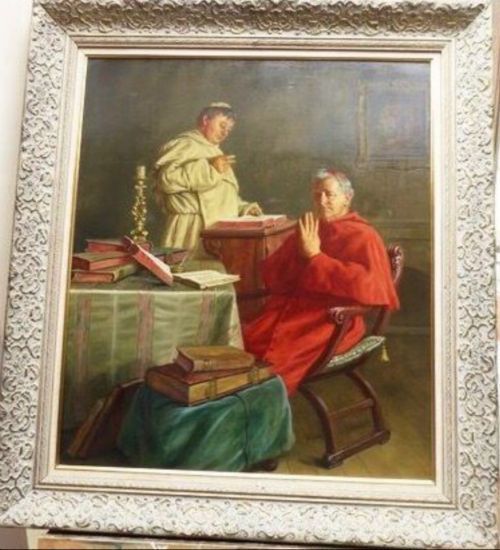
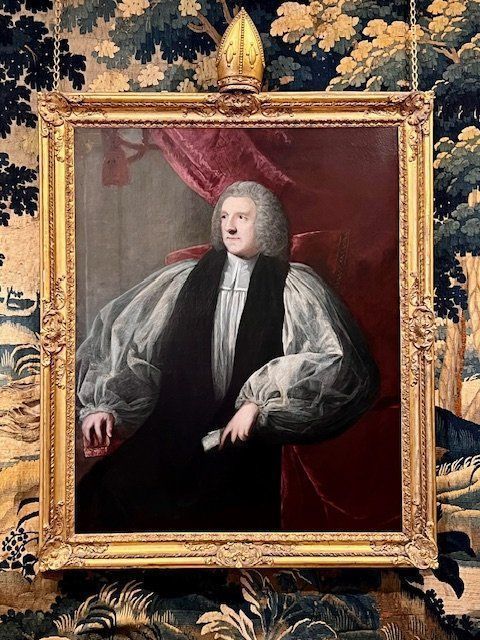
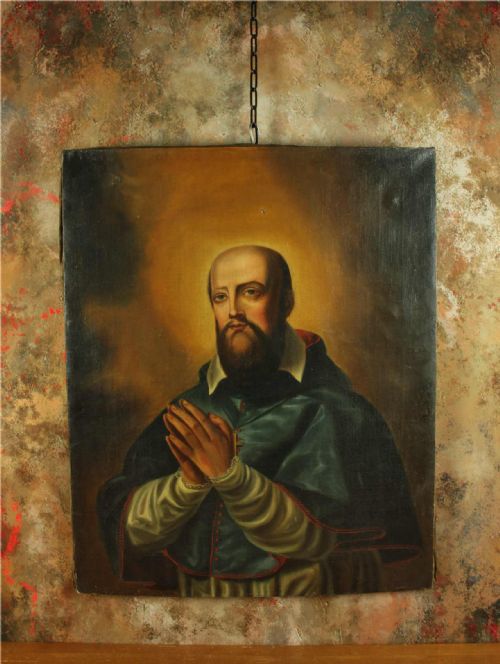
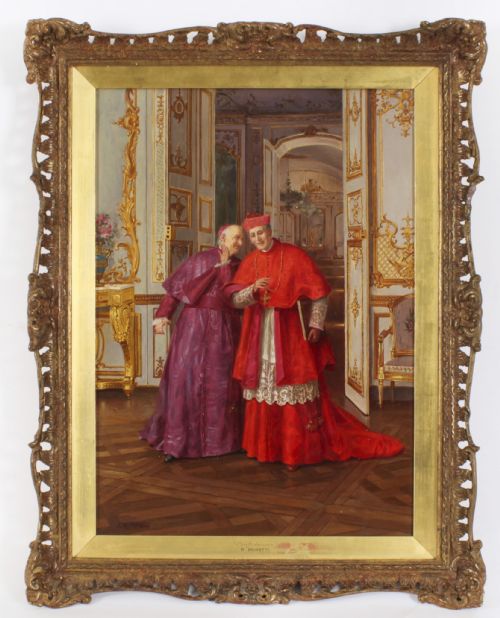
A clerical portrait oil painting depicts archbishops, bishops, cardinals, ministers, monks, and theologians, recording the gravity of ecclesiastical office through distinct likenesses. These works span the seventeenth, eighteenth, and nineteenth centuries, alongside twentieth-century examples, reflecting shifting artistic traditions from the Italian Baroque to Academic Realism. The version most commonly met on this page is the oil on canvas format, presenting subjects in traditional clerical attire such as robes, bands, and formal vestments.
Subjects range from named historical figures like bishops and Puritan ministers to anonymous theologians and monks captured in contemplative moments. British and Italian schools dominate the selection, showing how different regional workshops approached religious portraiture over hundreds of years. The scale varies from intimate cabinet pieces to large canvases designed to command a wall.
How They Were Made
These works rely principally on oil paint applied to woven canvas, though copper occasionally serves as the ground for smaller compositions. Artists built up the surface using rich pigments to render the heavy fabrics of clerical robes, skin tones, and detailed facial expressions. Giltwood and gesso frames frequently accompany the canvases, adding architectural weight and decorative finish.
Techniques range from the loose, expressive brushwork associated with baroque schools to the meticulous precision of academic realism. Pigments were manipulated to create deep shadows and focused light on the sitter's face, drawing attention to the expression and status of the cleric.
The listings on this site feature oil on canvas and copper supports, framed in giltwood and gesso across the seventeenth, eighteenth, and nineteenth centuries.
What Varies in Quality
The sophistication of the underlying composition and the handling of the background elements also distinguish finer pieces. Strong portraiture integrates the subject seamlessly into the pictorial space, whereas weaker execution results in a disconnected figure pasted onto a plain backdrop.
Sir Joshua Reynolds·Frank Moss Bennett·Alan Ramsay·Adriaen Van der Werff·James Ward·Edward Penny
The Clerical Portrait Oil Painting Glossary
- Oil on Canvas
- A painting medium where pigments bound in oil are applied to a stretched woven fabric support. This combination allows for rich blending of colours and lasting durability.
- Giltwood
- Wood carved and coated with gold leaf or a gold-coloured metallic finish. It forms the decorative outer border framing many historic paintings.
- Gesso
- A plaster-like mixture used as a base coat on wood or canvas to prepare the surface for painting or gilding. It provides a smooth, stable ground for the oil layers.
- Academic Realism
- A style of painting produced under the influence of European academies of art, prioritising precise drawing, smooth finishes, and classical subject matter.
- Baroque
- An artistic style prevalent from the seventeenth to mid-eighteenth century, characterised by dramatic lighting, deep shadows, and intense emotional expression.
Clerical Portrait Oil Painting: Frequently Asked Questions
What periods do these paintings cover?
The works span from the seventeenth century through the eighteenth and nineteenth centuries into the twentieth century. They reflect evolving artistic approaches across these distinct historical eras.
Earlier examples often align with seventeenth-century British or Spanish schools, while later pieces showcase Victorian genre painting and academic realism.
How were these portraits originally displayed?
Clerical portraits were commissioned for institutional headquarters, ecclesiastical residences, and private libraries to mark high office and lineage. They served as authoritative statements of status, learning, and religious devotion.
Larger canvases commanded the walls of reception rooms, while smaller works suited private studies and intimate spaces.
How do I identify the subject of a painting?
Many works feature inscriptions, contemporary labels, or notable attributes such as specific clerical vestments, books, and episcopal rings that hint at the sitter's rank. Archival records and signatures on the canvas often provide clues to the identity of both sitter and artist.
Comparing the costume and wig styles against known historical timelines helps narrow down the date and context of the portrait.