


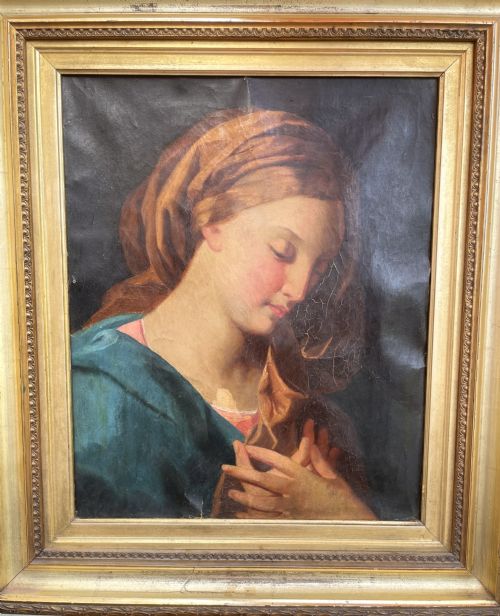


18th Century Catholic Art
These pieces of 18th century catholic art bring devotion into the room through Italian and Spanish hands.
18th Century Catholic Art
When you search for 18th century catholic art, you encounter sacred depictions that served private devotion and church spaces alike. These works include oil paintings, carved wood sculptures, and detailed miniatures.
The objects span Italian and Spanish schools, ranging from intimate devotional panels to large portraits and carved crucifixes. Subjects include the Holy Family, the Passion of Christ, and revered saints.
You meet pieces originating from regional European traditions, particularly Italian and Spanish Baroque styles. The selection covers everything from small ex-voto portraits to substantial altarpiece elements.
Materials and Construction
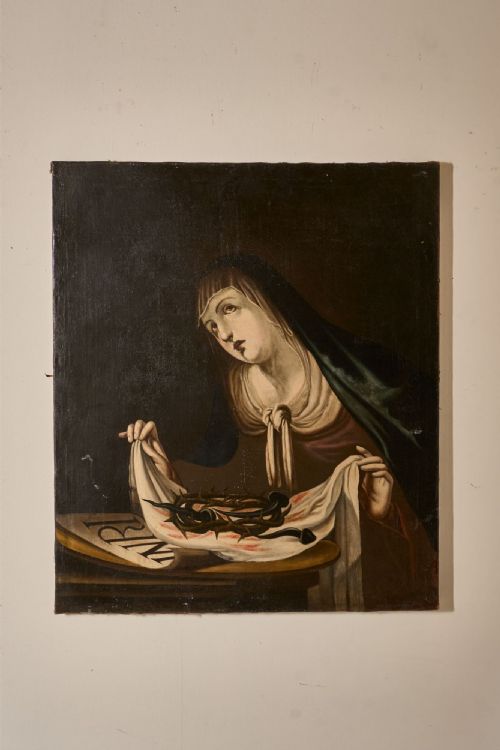
Painters utilised oil on canvas to build rich figurative scenes, often working within Italian or French traditions. These canvases capture devotional subjects with layered pigments and classical composition.
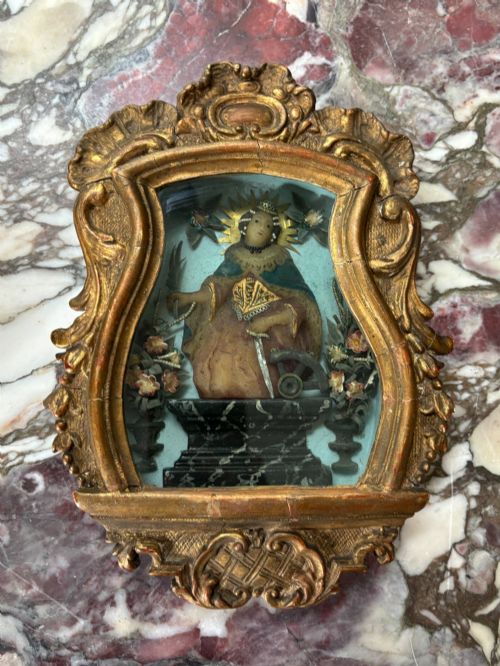
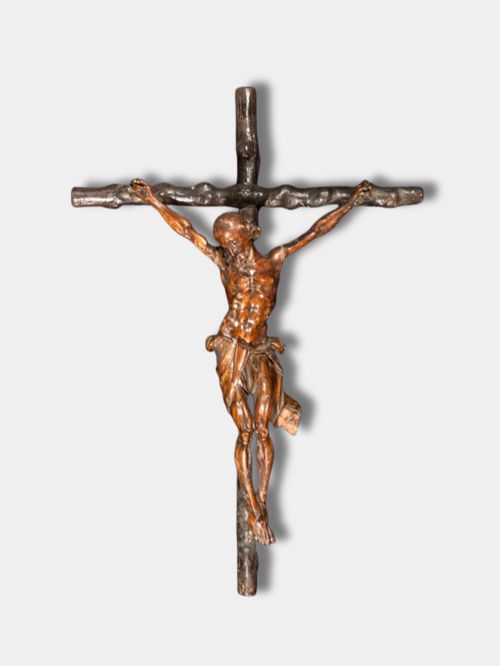
Sculptors carved wood and giltwood to create dimensional figures such as the Corpus Christi and full devotional statues. The resulting pieces combine solid timber supports with detailed surface carving.
St. Roche appears ready for a journey, traditionally depicted with his faithful dog and walking staff.
Judging Quality and Execution
Carved elements demonstrate quality through the depth of the relief and the precision given to hands, drapery folds, and surface finish. Giltwood detailing and preservation of the original wood ground further separate master examples from provincial work.
Studio of Pompeo Batoni·Raffaello Sanzio Da Urbino
The 18th Century Catholic Art Glossary
- Baroque
- A stylistic period known for drama, rich colour, and emotional intensity. This style dominates much of the devotional painting and sculpture from the era.
- Ex-Voto
- A votive offering given to a saint or divinity in fulfilment of a vow. These portraits record gratitude for a miraculous intervention or recovery.
- Corpus Christi
- Latin for the body of Christ, specifically depicting Jesus on the cross. These wooden sculptures form the central focus of devotional crucifixes.
- Old Master
- A term for a European painter of skill before the nineteenth century. Listings occasionally include followers or studio circles of these trained painters.
- Pieta
- A subject in Christian art depicting the Virgin Mary cradling the dead body of Jesus. This theme appears in carved wooden sculpture from Spanish workshops.
18th Century Catholic Art: Frequently Asked Questions
How do I identify Spanish school pieces?
Spanish pieces often manifest in dramatic carved wooden figures and intense devotional themes like the Passion or the Pieta. Look for deep relief work and traditional polychrome or dark wood finishes.
Regional stylistic markers also separate Spanish works from Italian counterparts, particularly in the solemnity of the figures and the treatment of drapery.
Where were these devotional items displayed?
Devotional items found homes in private chapels, domestic prayer spaces, and larger ecclesiastical settings. Smaller miniatures and ex-voto portraits suited personal contemplation.
Larger canvases and carved statues of saints occupied prominent positions in regional churches and institutional collections across Catholic Europe.
What subjects are most common?
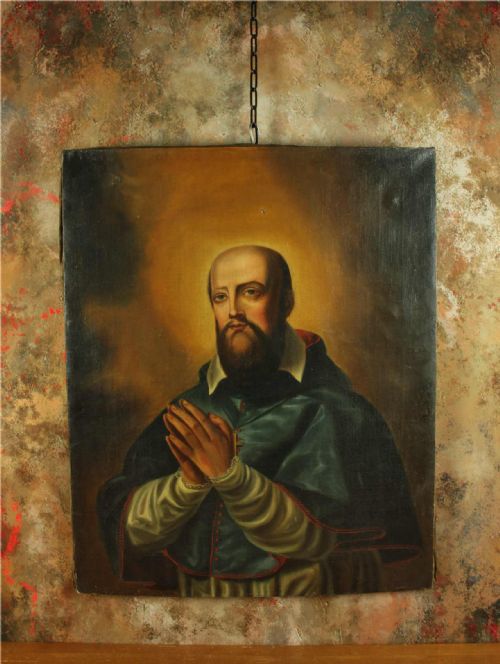
The Holy Family, the Virgin Mary, and specific saints such as Saint Francis de Sales and Saint Roche appear frequently. Narrative scenes from the Passion of Christ also recur across the paintings.
Portraits of ecclesiastical figures, including popes, represent the broader institutional presence within the visual culture of the period.
How should I care for oil and wood pieces?
Maintain stable environmental conditions away from direct sunlight and dramatic humidity fluctuations to protect both canvas and carved wood. Gentle dusting with a soft, dry cloth preserves the aged surface.
Avoid chemical cleaning agents on oil paintings and giltwood frames to prevent damage to the historic pigments and delicate gesso grounds.