


Gilded Oval Wall Art
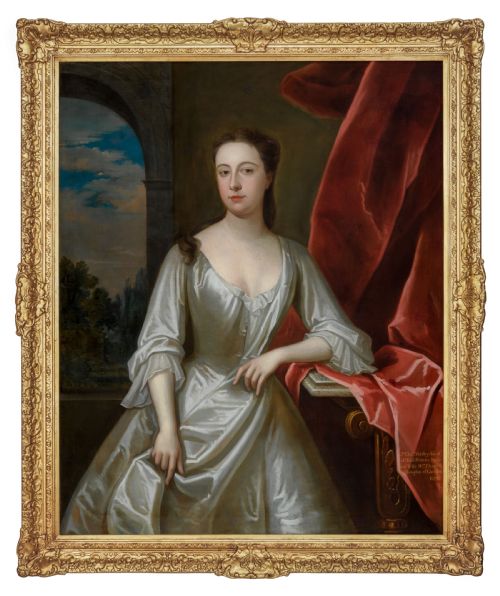
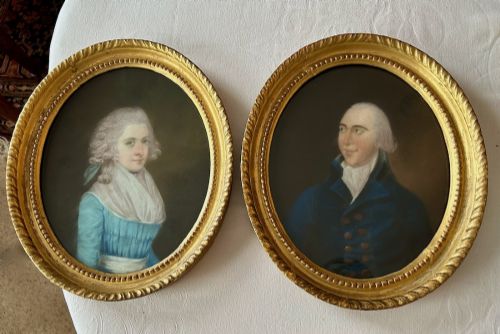
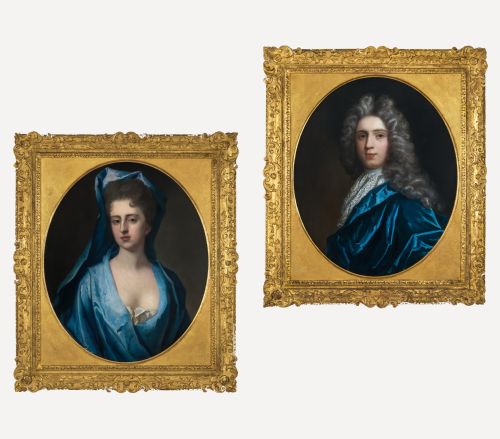
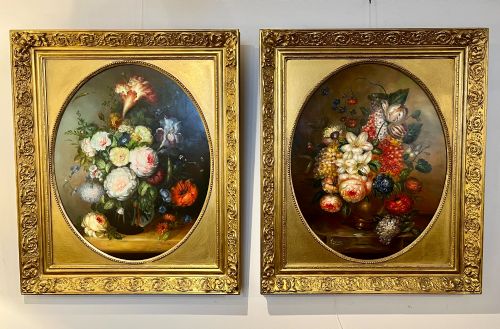
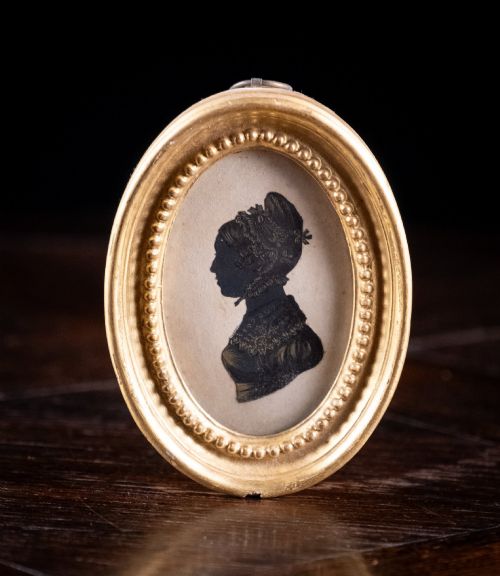
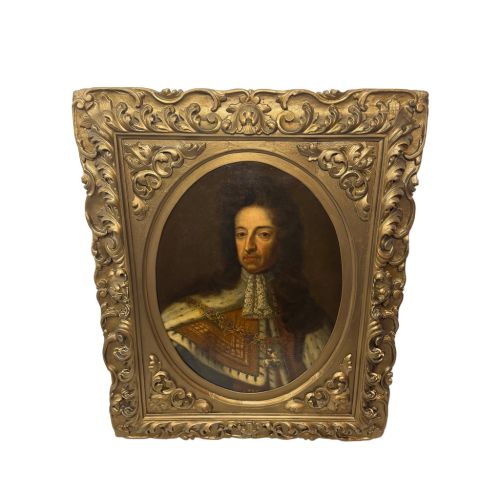
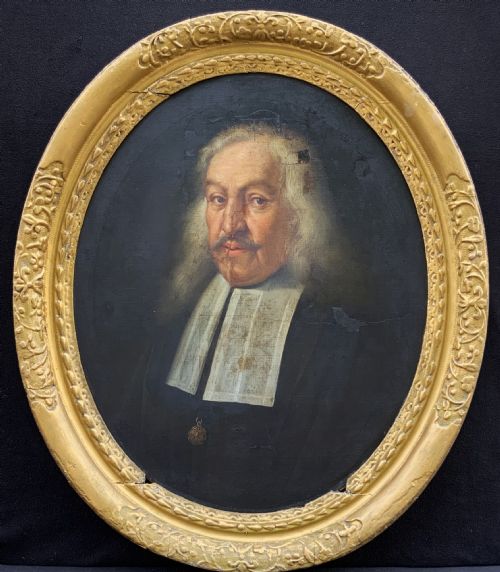
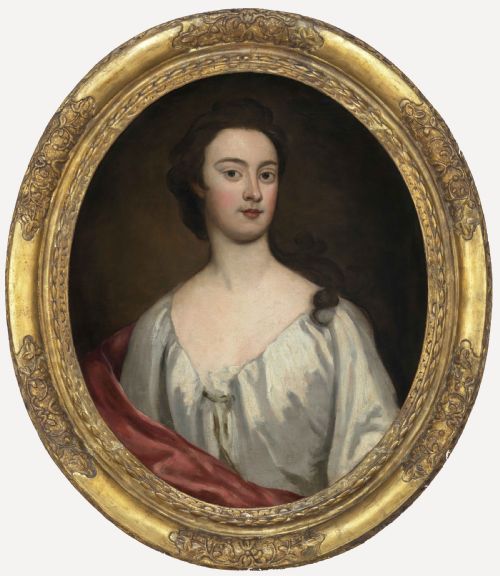
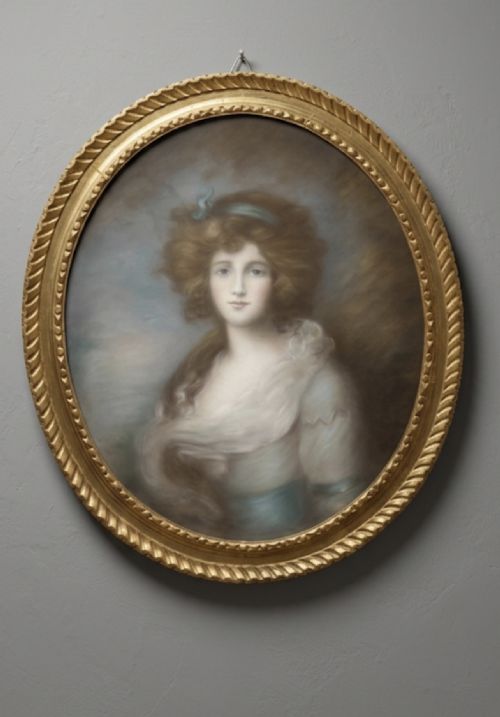
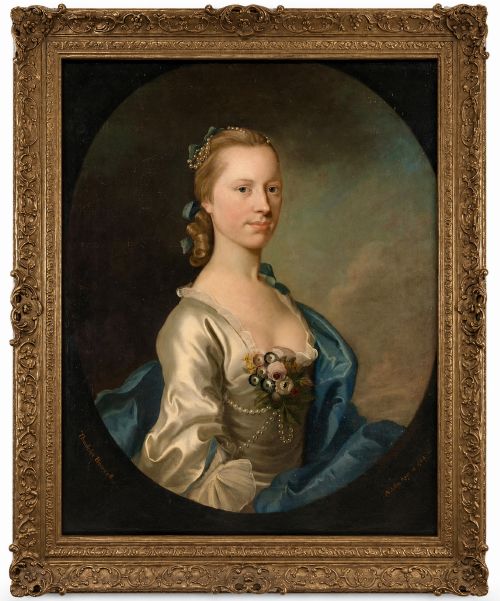
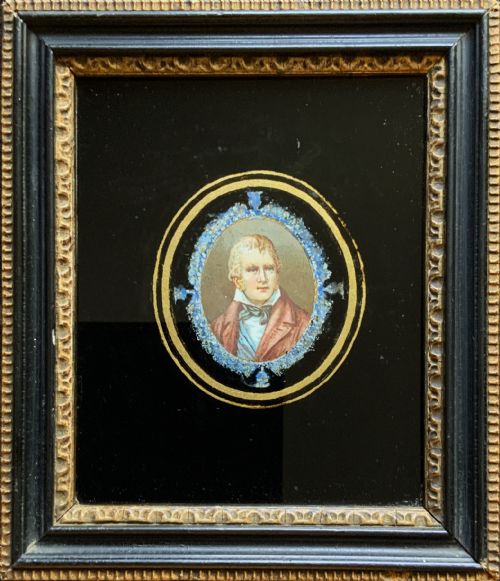
Gilded oval wall art comprises framed portraits, pastels, and miniature paintings housed in gleaming gold leaf and wood surrounds.
Gilded Oval Wall Art
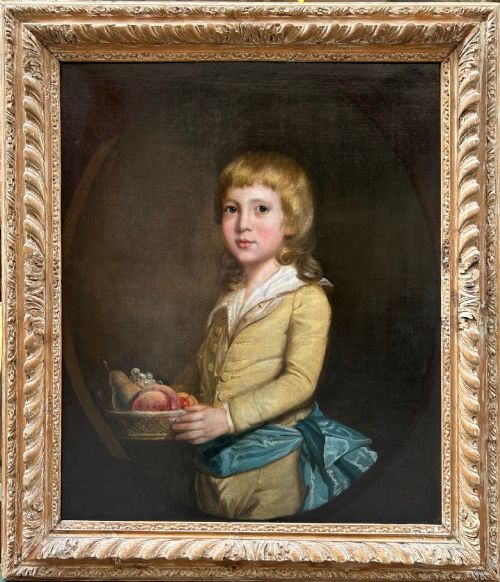
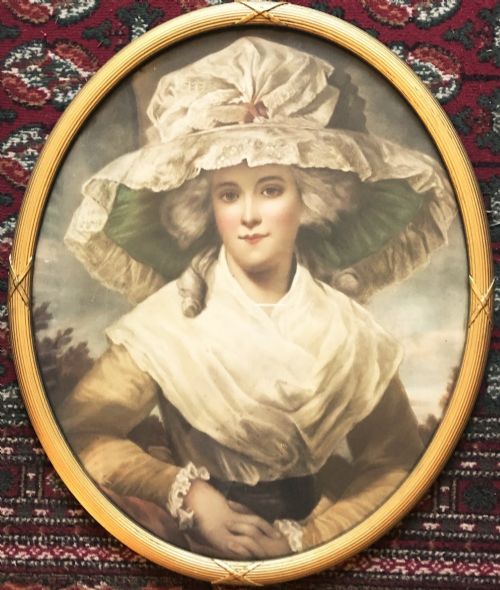
When searching for gilded oval wall art, buyers encounter a diverse selection of framed works predominantly featuring historical portraits, botanical subjects, and decorative scenes. These pieces span multiple centuries, including 17th-century old master works, 18th-century pastels, Regency silhouettes, and Edwardian prints.
The objects take several forms, ranging from large oil paintings on canvas to delicate portrait miniatures, woolwork pictures, and reverse-painted mirrors. Most examples combine traditional painting or print mediums with distinctive curved frames finished in gold leaf or gilt wood.
Origins vary widely across British, European, and Asian traditions, encompassing Dutch still lifes, French pastel drawings, and Chinese reverse-painted mirrors alongside domestic portraits.
How They Were Made
The construction of these pieces relies on traditional painterly and framing techniques, utilising oil on canvas, pastel on paper, watercolour, and silkwork embroidery housed within wooden surrounds. Artisans applied gold leaf and gilt wood finishes to create reflective, ornate borders that complemented the subjects within.
Glazing materials such as glass protect delicate works on paper, miniature portraits, and textiles, while specialised framing techniques like verre églomisé secure and frame specific Regency and 19th-century pieces.
Gentlemen in red robes and ladies wearing bonnets peer out across the centuries from their shiny gold cocoons.
What Varies in Quality
The preservation of original materials, including untouched oil pigments, crisp pastel strokes, and authentic period framing components, elevates the standing of individual pieces within the range.
Royal Worcester·K P M
The Gilded Oval Wall Art Glossary
- Giltwood
- Wood carved and coated with gold leaf or a metallic gilding mixture. This finish provides the characteristic metallic sheen seen on many period frames.
- Verre Églomisé
- A cold decoration technique where gilt designs and paintings are applied to the reverse of glass panels. It frequently appears on frames and picture surrounds from the Regency period.
- Portrait Miniature
- A small, highly detailed painting executed on vellum, card, or copper. These intimate works were often housed in pocket-sized or wall-hung oval frames.
- Pastel
- A medium consisting of powdered pigment and a binder formed into a stick. Artists used it extensively for soft-hued portraits throughout the 18th and 19th centuries.
- Oil on Canvas
- Pigments bound in a drying oil applied to a stretched fabric support. It represents one of the primary painting methods found across 17th and 18th-century works.
Gilded Oval Wall Art: Frequently Asked Questions
How are oval frames cleaned?
Gently dust giltwood surfaces with a soft, dry brush to prevent accumulating debris on the delicate metallic leaf. Avoid using liquid cleaners or abrasive cloths that can strip away the historical gilding.
Keep glass panels clean by wiping them carefully with a microfibre cloth slightly dampened with water, taking care not to let moisture seep behind the frame edge.
Where should these hang?
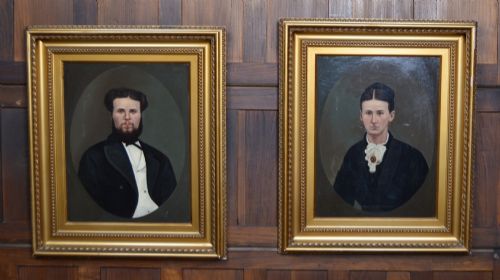
These decorative items suit intimate spaces like studies, hallways, or drawing rooms where viewers can appreciate their fine scale and detail close up. Grouping matching pairs or sets creates a balanced display on panelled or papered walls.
Position them away from direct sunlight and damp environments to protect vulnerable paper supports, pastel pigments, and delicate gold leaf finishes.
Can I mix different periods?
Combining 18th-century oil portraits with 19th-century silhouettes and Edwardian prints works well when the shared oval format and gold frames create visual continuity. The common use of gilt surrounds bridges stylistic gaps between different centuries of production.
Focus on complementary scale and frame tones rather than matching dates to assemble a cohesive wall arrangement.
What subjects are common?
Human portraits dominate the selection, depicting gentlemen, ladies, children, and historical figures in various traditional attire. Other recurring subjects include botanical prints, butterfly specimens, bird studies, and still life compositions.
These varied subjects reflect the broad decorative and commemorative functions of framed art across the 17th, 18th, and 19th centuries.