
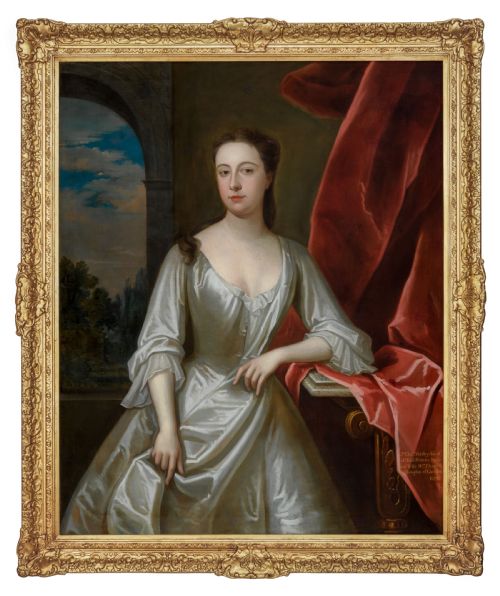
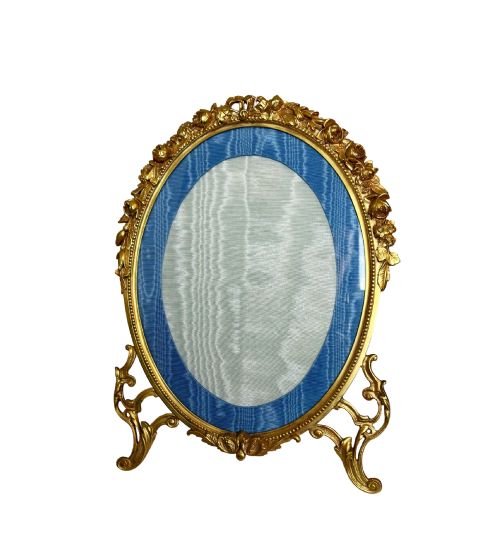
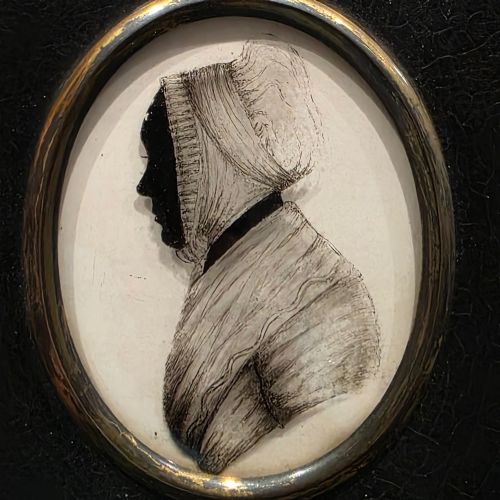
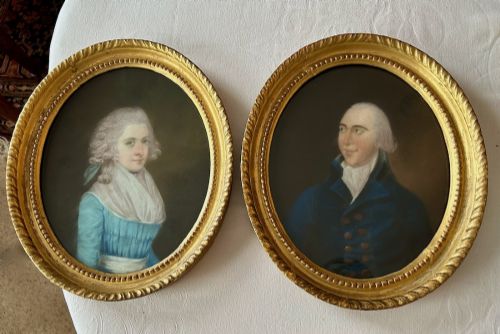


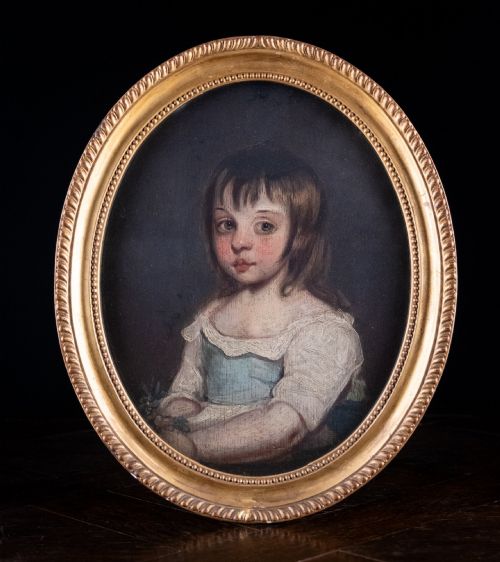
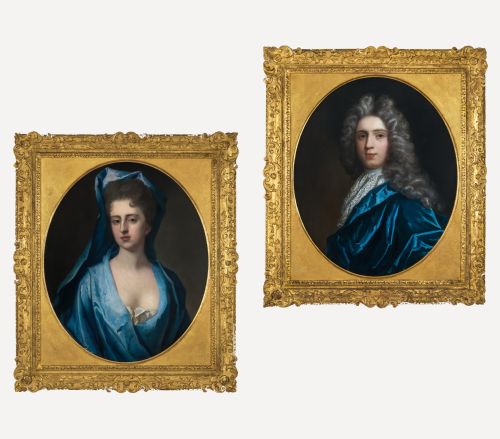
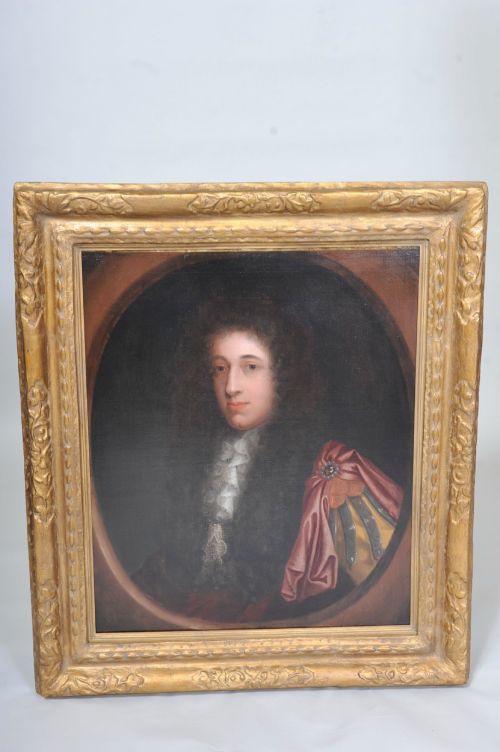
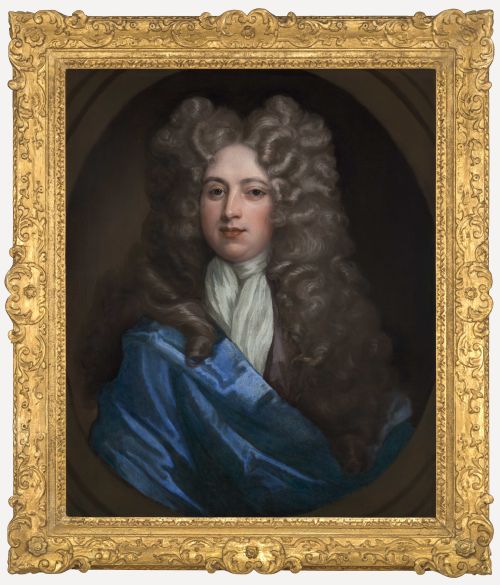

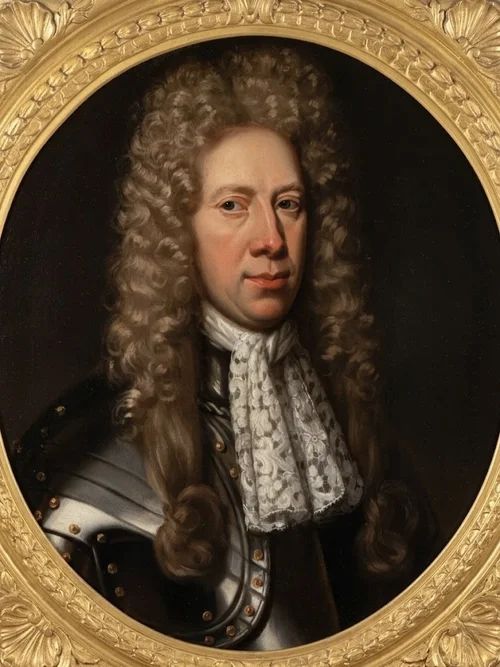
Gilt Oval Framed Portrait
When you search for a gilt oval framed portrait, you seek a historic likeness preserved in curved wood, metal, or glass.
Gilt Oval Framed Portrait
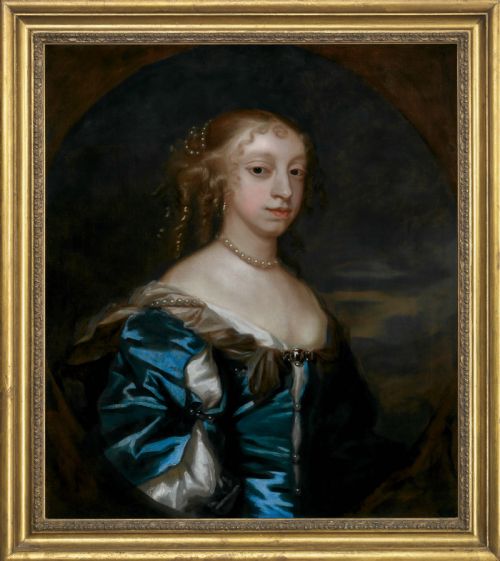
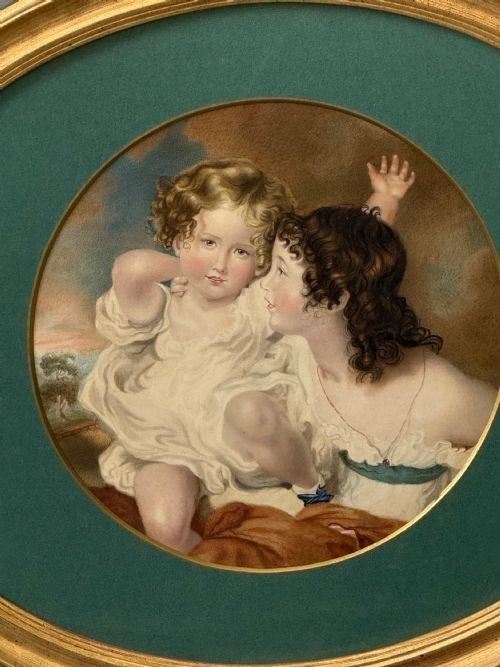
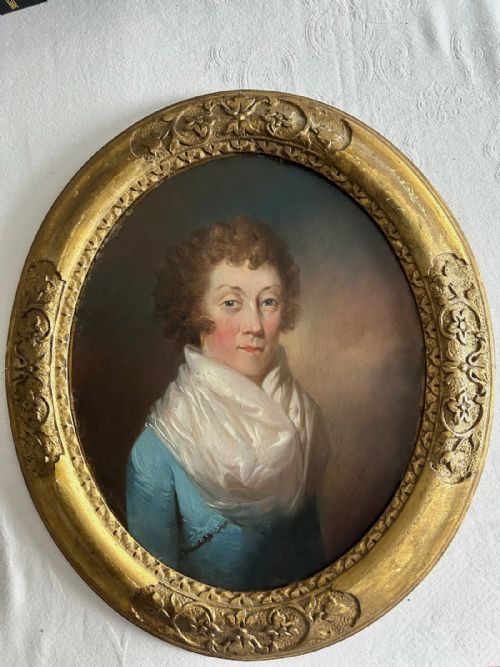
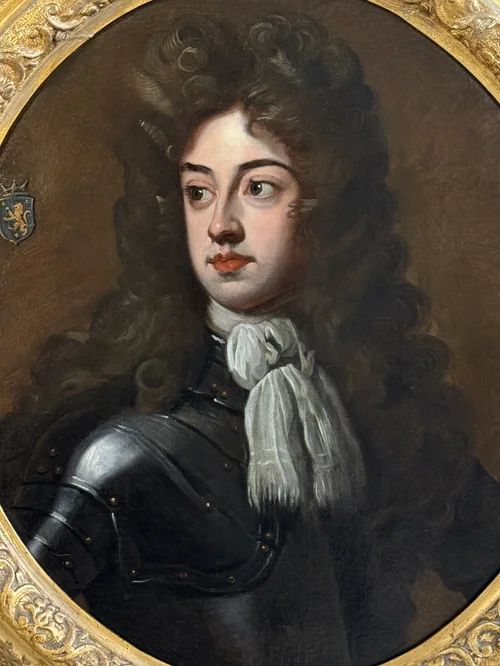
A gilt oval framed portrait combines a historic likeness with a curved perimeter, framing human subjects from eras ranging from the seventeenth century through the twentieth century.
The category encompasses diverse media, including oil paintings on canvas, delicate pastel works, reverse painted silhouettes, watercolours, stipple engravings, and portrait miniatures.
Buyers encounter pieces representing numerous historical movements, from British Baroque and French Rococo to Regency, Georgian, Victorian, and Edwardian aesthetics.
Materials and construction
Makers formed these pieces utilising traditional substrates such as canvas, paper, and glass, applying oil paint, pastel, watercolour, or print techniques to capture the subject.
The distinctive borders rely on wood, giltwood, gilt bronze, or ormolu, often enhanced with gold leaf to achieve a lustrous metallic finish around the curved aperture.
Listings feature works spanning the seventeenth, eighteenth, and nineteenth centuries, executed in oil, pastel, and watercolour.
Markers of quality
Quality rests upon the fidelity and skill of the artistic hand, where accomplished brushwork or precise pastel rendering distinguishes master portraiture from standard output.
The integrity and preservation of the original frame matter greatly, particularly regarding the depth of the gilding and the harmony between the portrait and its curved mount.
Sir Godfrey Kneller·Michael Dahl·Thomas Murray·James Sharples·John Russell·Louis Icart
The Gilt Oval Framed Portrait Glossary
- Giltwood
- Wood carved and surfaced with thin gold leaf or metal powder. This material defines the characteristic golden radiance of antique picture frames.
- Silhouette
- A solid dark profile likeness, typically cut from paper or painted against a pale background. Regency examples often feature delicate reverse painting on glass.
- Miniature
- A small-scale portrait executed with immense precision. These portable artworks frequently appeared inside pocket-sized or desk-mounted oval cases.
- Ormolu
- Finely chased gilt bronze mounted onto decorative objects or frames. The technique gained widespread use during the eighteenth and nineteenth centuries.
Gilt Oval Framed Portrait: Frequently Asked Questions
How do I date a frame?
Dating relies on examining the construction techniques of the wood, the composition of the gesso, and the specific application method of the gold leaf. Joinery methods at the reverse corners also offer clear chronological indicators.
Stylistic shifts in moulding profiles help narrow the decade of manufacture. Earlier frames tend to feature hand-carved decorative motifs, whereas later Victorian and Edwardian examples often employ cast ornamentation.
Were these always oval?
Many portraits were originally painted or drawn within rectangular canvases or papers before being subsequently cut, framed, or matted into an oval format. The curved surround was frequently chosen to soften the composition and focus attention entirely on the subject's face.
Certain works were conceived specifically for oval enclosures from the outset, particularly miniature paintings and decorative silhouette portraits designed for intimate display. The curved geometry complemented the natural contours of facial studies.
How should I hang them?
Secure hanging requires hardware rated for the combined weight of the dense wooden or bronze frame and the glass pane. Utilising dual wall hooks ensures the piece remains level and stable.
Position portraits away from direct sunlight and fluctuating heat sources to protect sensitive media like paper, pastel, and oil paint from fading or cracking over time.
What is reverse painting?
Reverse painting involves applying pigment directly onto the rear surface of a glass sheet so the finished image is viewed through the transparent front. This technique creates a smooth, glossy surface finish unique to certain silhouette miniatures.
Artists had to paint details in exact reverse order, starting with the foreground highlights before adding background layers. This demanded immense precision because corrections were virtually impossible once pigment touched the glass.