

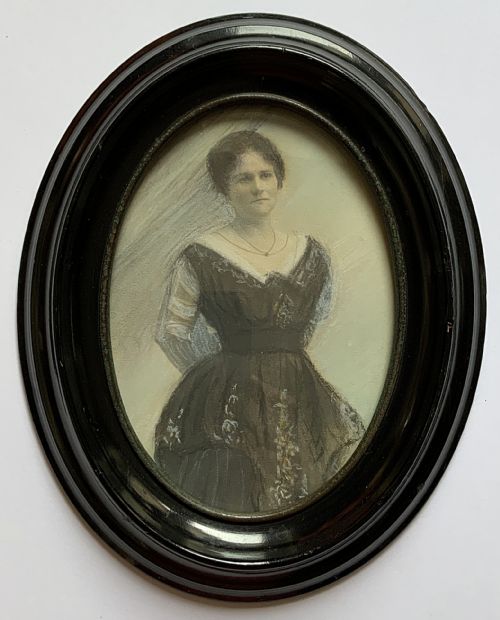


19th Century Pastel Picture
A 19th century pastel picture brings delicate pigment to paper, offering a rich portrait or landscape that captures the softness of past centuries.
19th Century Pastel Picture
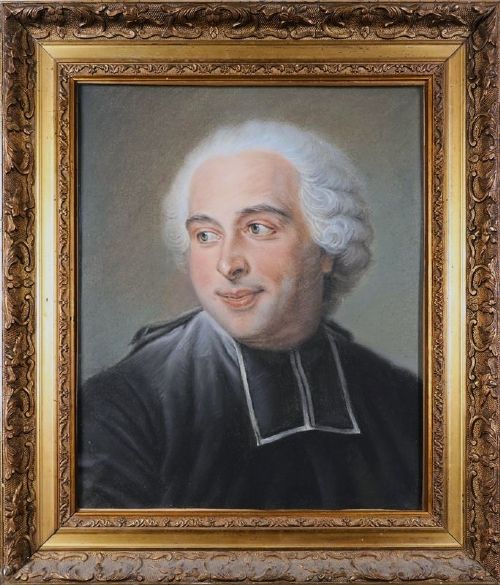
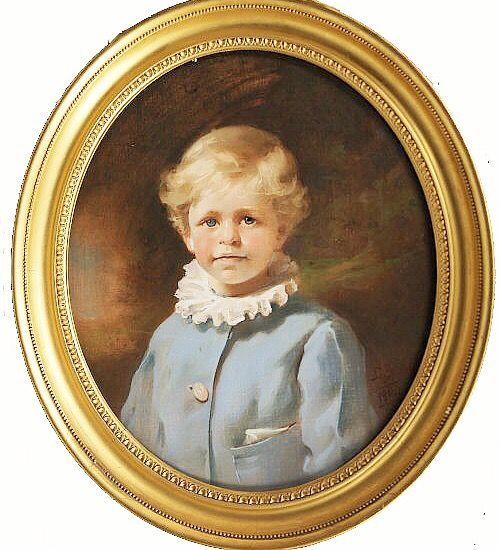
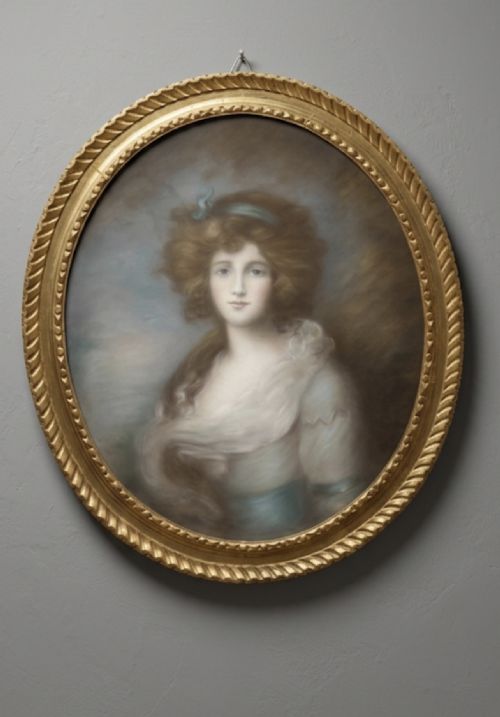
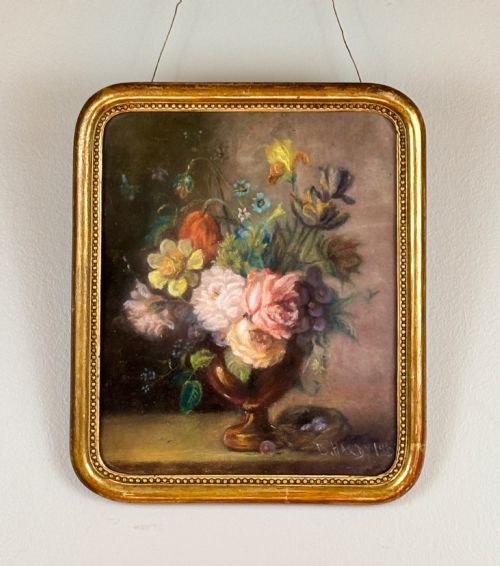
A 19th century pastel picture encompasses delicate works on paper, capturing portraits, landscapes, and still life compositions from the period. Buyers exploring this phrase will frequently encounter Victorian and Georgian examples, alongside pieces created within the French School and Norwich School traditions.
The selection ranges from intimate miniature paintings and oval formats to large landscape views with deer. Many pieces adapt earlier masterworks, such as portraits after Maurice Quentin de la Tour and Thomas Gainsborough, while others record contemporary sitters or regional British scenery.
Assessing quality and execution
Quality in a 19th century pastel picture rests upon the surety of the draughtsmanship and the preservation of the pigment surface. Works by documented hands or those retaining strong provenance demonstrate a higher level of artistic accomplishment than anonymous decorative output.
The integration of secondary media, such as watercolour or bodycolour, distinguishes more ambitious compositions from simpler sketches. Furthermore, the condition of the paper and the clarity of the underlying detail dictate the visual impact of the finished artwork.
19th Century Pastel Picture Retail Price Guide 2026
Typical asking prices for 19th century pastel picture among the pieces listed under this phrase on Sellingantiques today, from the lower quarter to the upper quarter. They describe what is for sale here now, not the wider market.
Listings feature paper, pastel, and wood materials across Victorian and Georgian periods.
Maurice Quentin de la Tour·Leon Sprinck·Thomas Gainsborough·John Raphael Smith·Robert Faulkner·Josiah Gilbert·Henry Bright
The 19th Century Pastel Picture Glossary
- Pastel
- A dry art medium consisting of powdered pigment and a binder, shaped into sticks for direct application to paper. It yields a velvety texture and soft colour graduation.
- Giltwood
- Wood that has been treated with a thin layer of gold leaf or gesso finish. This material frequently frames fine art from the period.
- Miniature painting
- A small-scale portrait or artwork executed with fine detail. These pieces often measure only a few inches across.
- Norwich School
- A regional group of artists inspired by the landscapes of Norfolk. Henry Bright represents this artistic tradition.
- Gouache
- An opaque watercolour medium used alongside pastel to add highlights. It provides dense colour blocks within the composition.
19th Century Pastel Picture: Frequently Asked Questions
How do I care for a pastel picture?
Keep the artwork away from direct sunlight to prevent the delicate pigments from fading over time. Ensure the protective glass remains sealed against the paper surface to stop loose particles from shifting.
Avoid hanging these pieces in rooms with high humidity, such as kitchens or bathrooms. Stable indoor temperatures protect both the paper support and the antique wooden frame.
Are pastels painted or drawn?
Art historians generally refer to working in pastel as drawing rather than painting because the medium consists of dry pigment sticks. Artists build up the image through smudging, layering, and linear strokes.
Despite this technical distinction, finished pieces achieve the tonal depth and richness of oil paintings. The terminology often overlaps depending on the density of the pigment application.
Why are some pastels under glass?
Pastel pigment sits loosely on the paper support without a liquid binder to permanently glue it down. Without glass protection, the slightest touch or vibration causes the powder to smudge.
Glazing creates a vital physical barrier against dust, moisture, and accidental contact. Most antique examples retain their original glass and framing for this reason.
How can I identify a Georgian pastel?
Georgian examples often feature sitters in period attire, accompanied by eighteenth-century hairstyles and formal framing styles. The paper stock and backing boards on these early works show distinct signs of age.
Comparing the stylistic markers with documented portraits from the same decade helps confirm the date. Many pieces also carry inscriptions or historical labels on the reverse.