



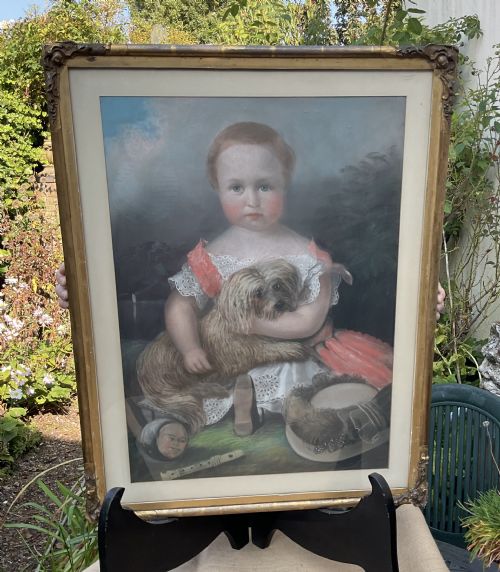


Victorian Framed Pastel Drawing
These Victorian framed pastel drawing works capture likenesses and scenes with soft colour and delicate line under glass.
Victorian Framed Pastel Drawing
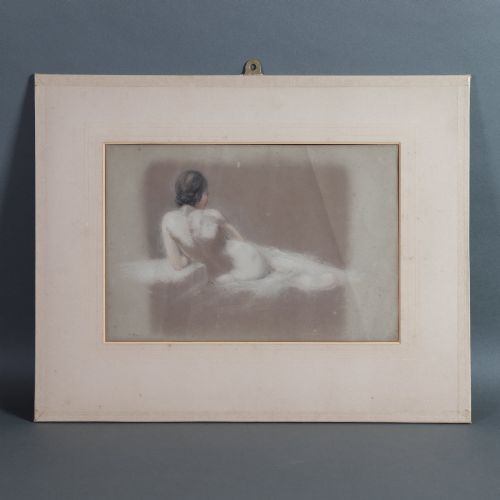
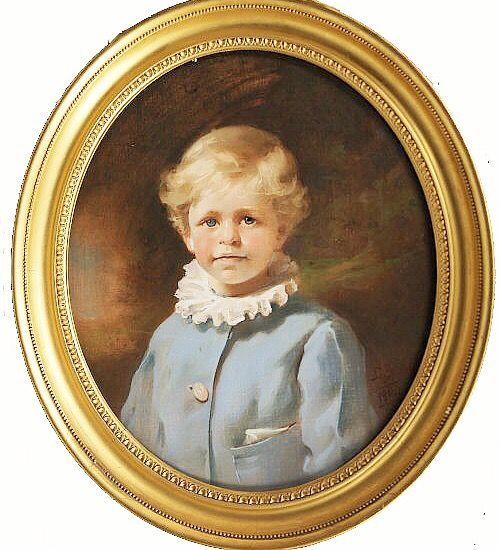
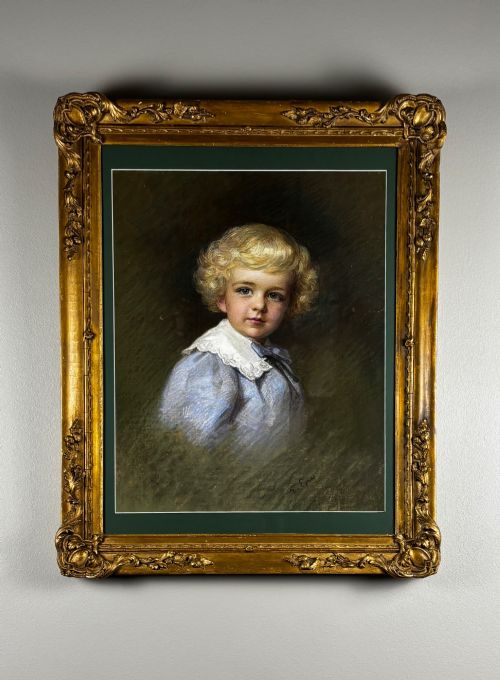
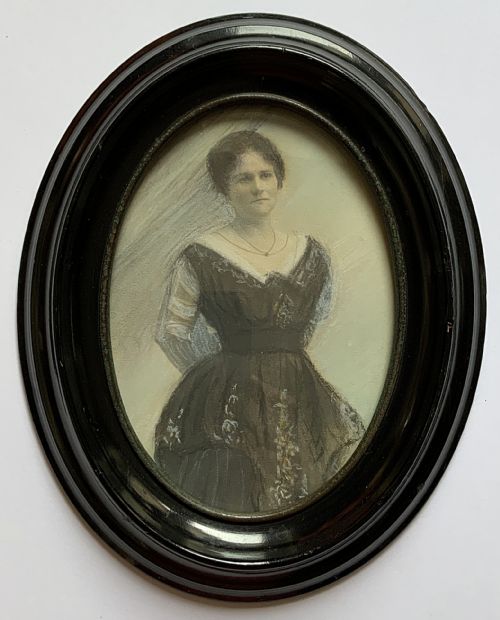
When you search for a victorian framed pastel drawing, you find works on paper, canvas, and board that span the nineteenth and early twentieth centuries. The examples here include portraits of children, gentlemen, and ladies, alongside figurative studies and animals.
Most pieces date from the Victorian era and the decades immediately following, showing romantic, academic, and orientalist influences. They arrive ready to hang in period wooden and gilded frames behind protective glass.
How they were made
Artists built these images using pastel, chalk, and charcoal sticks, frequently combining them with watercolour or gouache on paper or canvas surfaces. The friable pigment particles required mounting beneath glass to prevent smudging and loss.
Makers housed the completed drawings in timber frames, often finished with giltwood mouldings or specific regional styles such as chinoiserie.
Victorian Framed Pastel Drawing Retail Price Guide 2026
Typical asking prices for victorian framed pastel drawing among the pieces listed under this phrase on Sellingantiques today, from the lower quarter to the upper quarter. They describe what is for sale here now, not the wider market.
Framing materials recorded here include glass, wood, and giltwood, alongside academic and romantic stylistic influences.
What varies in quality
Originality of the matching frame and the stability of the paper or canvas support also distinguish finer examples from those with heavy past damage.
William Etty·Leon Sprinck·Emily Eyres·J Bizo·Robert Faulkner·John Macallan Swan·Josiah Gilbert·John Parry
The Victorian Framed Pastel Drawing Glossary
- Pastel
- A dry drawing medium composed of powdered pigment and a binder. It produces velvety surfaces with soft colour gradations.
- Giltwood
- Timber coated with a thin layer of gold leaf or gilt gesso. It provides a bright decorative border for many nineteenth-century works.
- Orientalism
- Artistic style depicting scenes and people from the Middle East and North Africa. It appears in several nineteenth-century portrait subjects.
- Chinoiserie
- European decorative style reflecting Chinese artistic traditions. It influences the aesthetic of certain frames and compositions.
- Watercolour
- Paint using water-soluble pigments that artists occasionally mixed with pastel. It adds sharp detail to broader chalk areas.
Victorian Framed Pastel Drawing: Frequently Asked Questions
Where should I hang these?
Select an interior wall that avoids direct sunlight and heavy dampness. Pastel pigments fade quickly under strong daylight, so indirect ambient light preserves the colours best.
Ensure the room maintains a stable temperature to protect the antique paper, canvas, and wooden frame from warping or cracking over time.
Are these drawings fragile?
Yes, because pastel is essentially loose pigment held by minimal binder. Any severe vibration or tapping on the glass can cause microscopic dust particles to fall from the surface.
Professional framing with proper spacers keeps the glass from touching the drawing itself, which safeguards the delicate composition during handling.
How do I date them?
Examine the style of dress, hair, and framing materials for clues to the decade of creation. Written inscriptions on the reverse or artist signatures often provide exact attribution.
Compare the paper type and frame construction methods with known manufacturing standards from the nineteenth and early twentieth centuries.