





Victorian Pastel Portrait
A victorian pastel portrait captures the direct likeness of a sitter through soft chalk pigments, offering a vivid window into nineteenth-century life.
Victorian Pastel Portrait
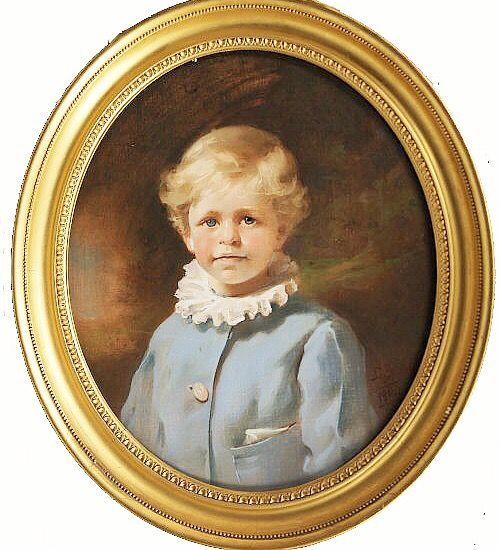
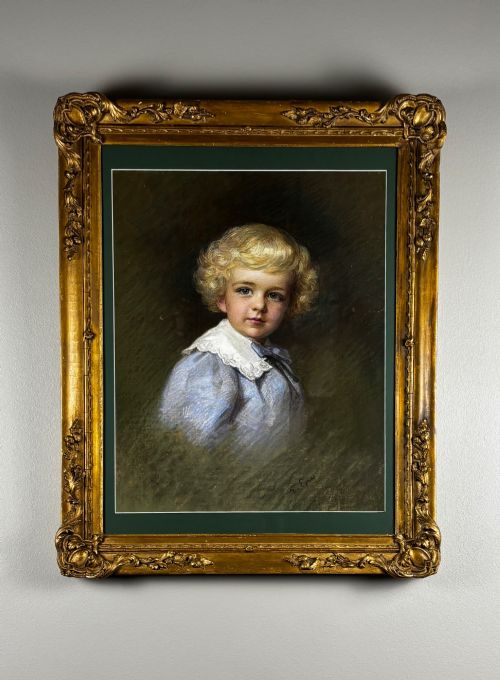
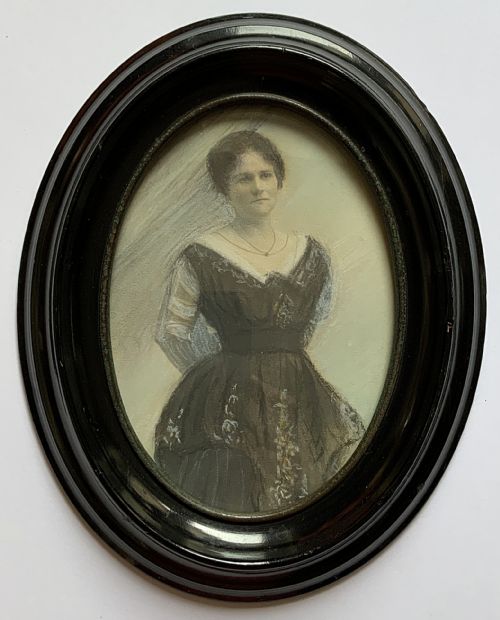
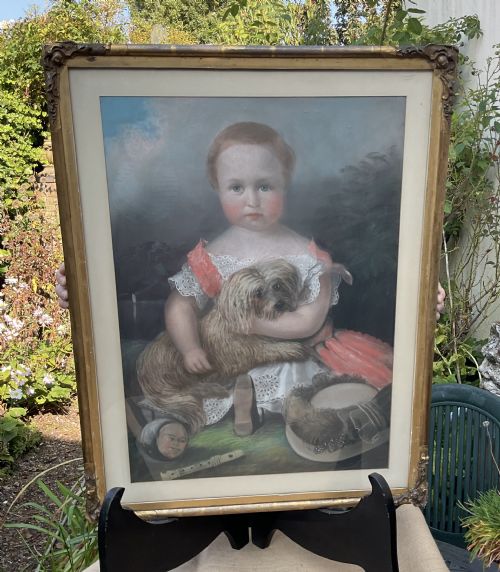
A victorian pastel portrait brings nineteenth-century subjects directly into view through delicate, hand-drawn likenesses executed on paper or canvas. These works range from intimate oval miniatures to large framed depictions of children, gentlemen, and ladies.
The pieces appearing here span the broader nineteenth century and stretch into the early twentieth century, reflecting shifting tastes in portraiture. Subjects vary from notable historical figures and poets to anonymous family members and children accompanied by pets.
What Varies in Quality
The skill of the draughtsman dictates the finesse of expression, anatomical proportion, and psychological depth captured in the sitter's face. Superior examples demonstrate confident handling of light across fabric and skin, avoiding heavy or overworked chalk applications.
Conservation and original framing significantly influence desirability, particularly when pieces retain their period burr maple or giltwood surrounds under glass. Works documented by named artists or featuring well-provenanced subjects command greater attention from collectors.
Victorian Pastel Portrait Retail Price Guide 2026
Typical asking prices for victorian pastel portrait among the pieces listed under this phrase on Sellingantiques today, from the lower quarter to the upper quarter. They describe what is for sale here now, not the wider market.
At least one discerning Victorian poodle named in the records achieved immortality through pastel chalks.
Leon Sprinck·Emily Eyres·J Bizo·Robert Faulkner·Josiah Gilbert·John Parry·George Richmond
The Victorian Pastel Portrait Glossary
- Pastel
- A dry painting medium consisting of powdered pigment and a binder rolled into sticks. It creates luminous, velvety surfaces that require protection behind glass.
- Giltwood
- Wood carved and coated with gold leaf or gold paint. This finish was widely applied to ornate nineteenth-century picture frames.
- Burr Maple
- Timber featuring twisted, knotty grain patterns highly prized for Victorian picture frames. It provides a rich, dappled frame border around portraits.
- Gouache
- An opaque water-based paint frequently used alongside pastel and watercolour to add highlights and solid colour passages.
Victorian Pastel Portrait: Frequently Asked Questions
Can pastel portraits be cleaned?
Professional paper conservators should handle any cleaning or restoration work required on the delicate pastel surface. Attempting to clean the drawing independently risks smudging the dry pigment and permanently damaging the artwork.
The exterior glass and frame can be wiped down gently with a soft cloth, taking care not to let moisture seep beneath the glazing.
How do I identify a Victorian pastel?
Examine the framing materials, paper texture, and backing boards for signs of nineteenth-century manufacture, such as old hand-cut nails or period framer labels. Victorian examples often utilise distinctive wood surrounds like burr maple or heavy giltwood.
The clothing, hairstyles, and accessories worn by the sitter frequently offer reliable chronological clues matching the broader Victorian era.
Why are some pastels under glass?
Pastel chalk consists of loose pigment bound with minimal gum, meaning the surface remains inherently delicate and vulnerable to touch. Glass acts as a crucial physical barrier preventing smudging, dust accumulation, and airborne pollutants from settling on the image.
Historical framers sealed these portraits tightly behind glazing to preserve the vibrant microscopic powder particles for future generations.