



Victorian Portrait Artwork
Victorian portrait artwork encompasses painted, drawn and sculpted likenesses produced across the nineteenth and early twentieth centuries.
Victorian Portrait Artwork
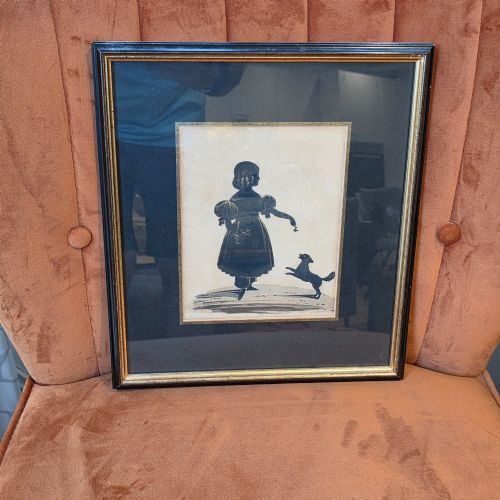
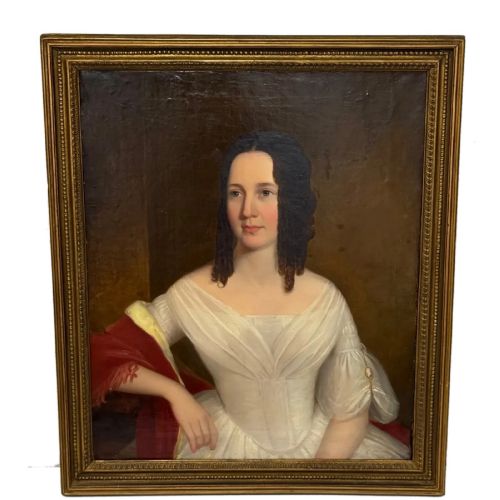
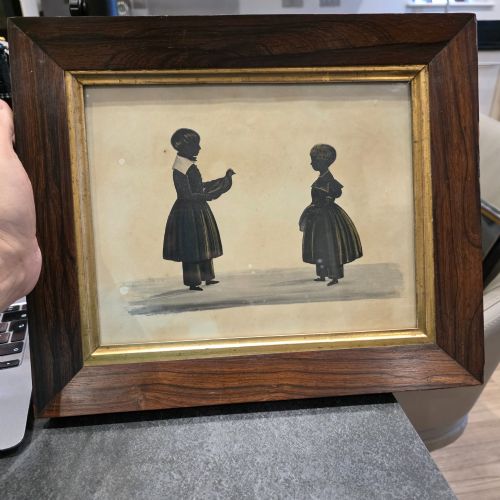
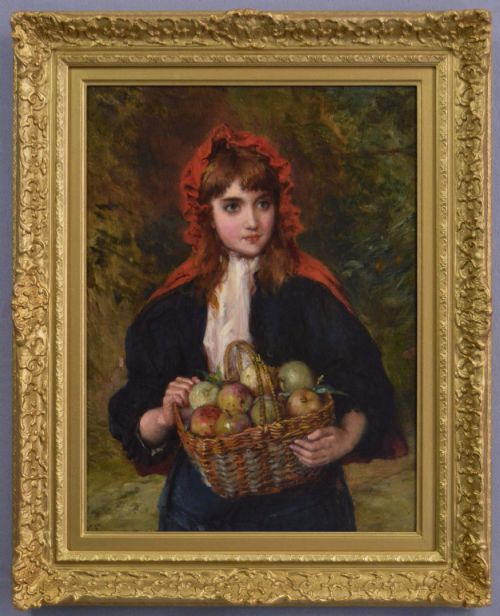
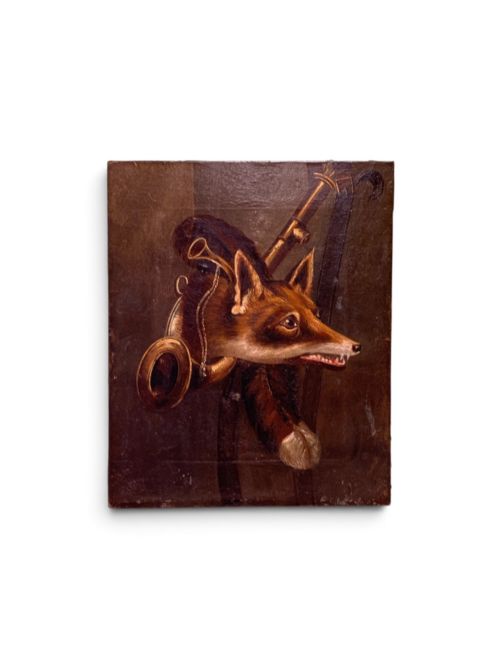
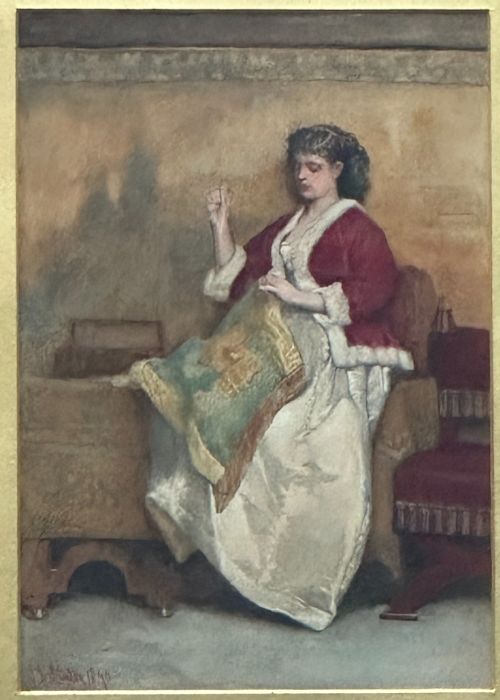
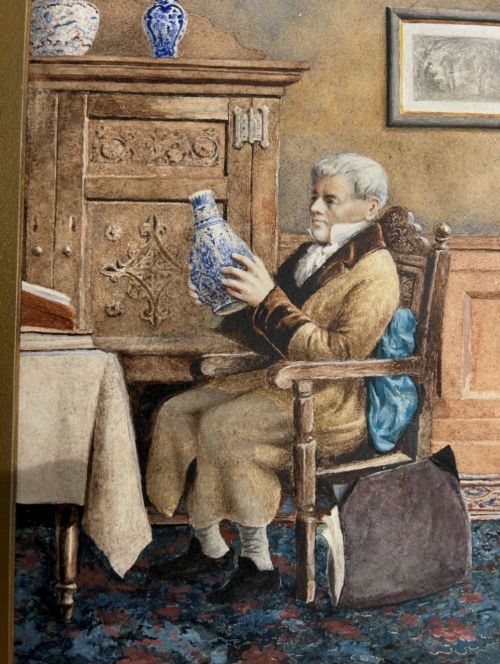
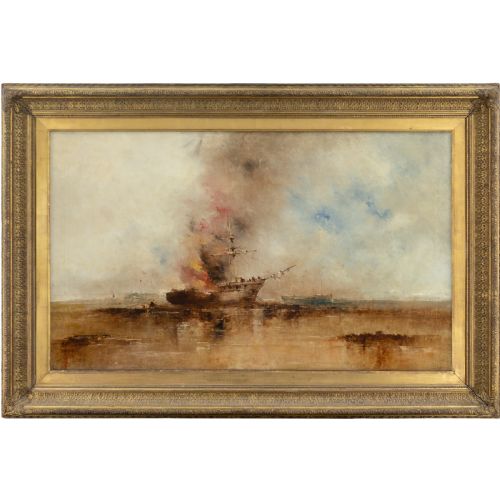
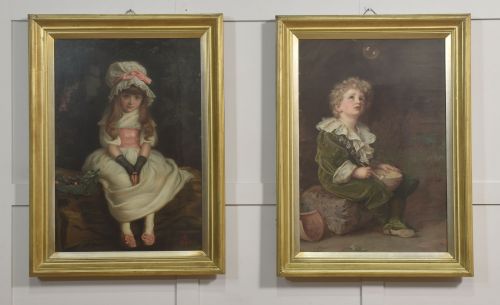
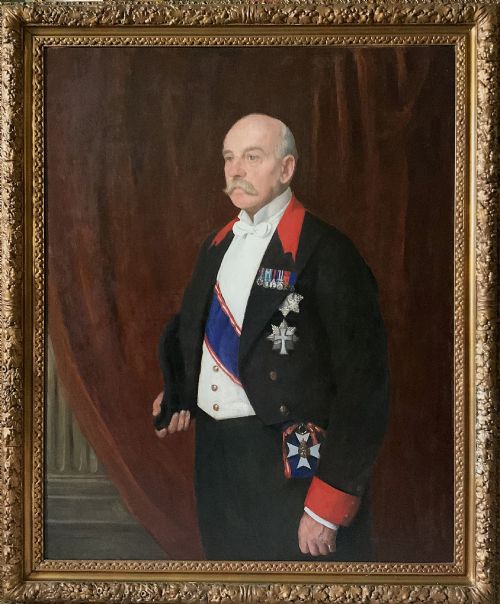
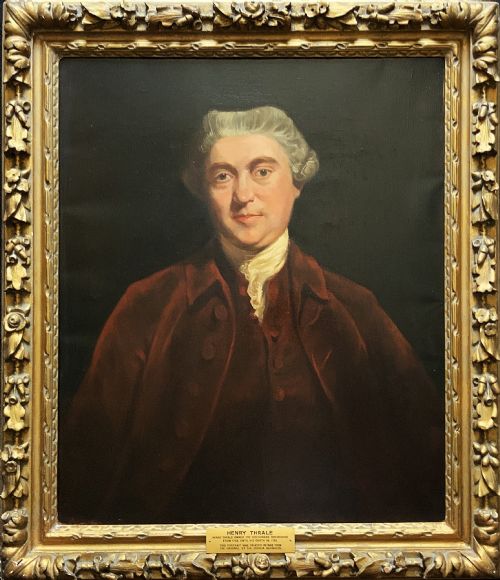
Victorian portrait artwork captures individuals, family groups and animals across the nineteenth century and into the early twentieth century. These pieces appear as oil paintings on canvas or board, watercolours on paper, detailed silhouettes, and occasionally marble busts.
The subjects range from formally dressed gentlemen, architects and young women with animals to sporting subjects and children. Works span periods from Regency through to Edwardian eras, reflecting both British and continental European schools.
Oil paintings on canvas dominate the selection, frequently housed within period giltwood or burr maple frames. Buyers encounter both original artist-signed works and skilled watercolours executed after earlier academic masters.
Materials and Techniques
Artists relied primarily on oil paint applied to stretched canvas or wooden panels, building rich colour depth through layered glazing techniques. Watercolours on paper offered a lighter medium for detailed portraiture and domestic interior scenes.
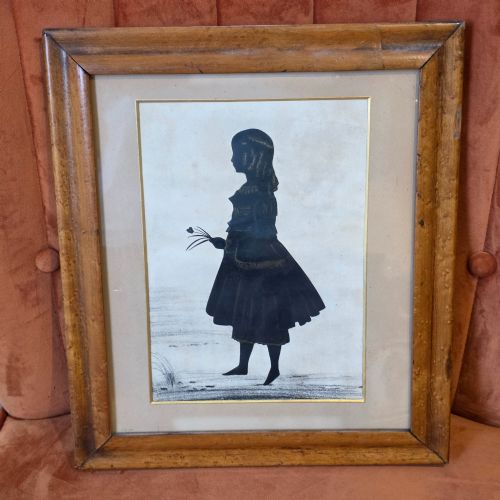
Silhouettes combined cut paper and watercolour details to produce crisp profile likenesses, often mounted within protective glass frames. Frames utilised solid wood, gilded wood finishes, and burr maple veneers to complement the artwork.
Racing pigeons and prize bulls share wall space with aristocrats, proving that nineteenth-century artists took animal portraiture just as seriously as human ones.
Evaluating Quality
The integrity of the original framing significantly impacts the piece, with period giltwood or burr maple surrounds adding historical context. Attribution to a recorded artist or documented school elevates the standing of a canvas above anonymous works.
William James Hubard·William Oliver·Eugène Verboeckhoven·Sir James Dromgole Linton·Valentine T. Garland·Dumini Leopoldo·Henry Stacy Marks·William McAlpine·Sir Joshua Reynolds·Frederick Morgans·Sir Thomas Lawrence·Vittorio Reggianini·Leon Sprinck·Samuel De Wilde·Gian Paolo Pace·Albert Clark·James Robert Creighton·W. R. Waters·G. J. S. Bary·W. D. Almond
The Victorian Portrait Artwork Glossary
- Oil on canvas
- Pigments bound in drying oil applied to a woven fabric support stretched across a wooden frame. This method allowed artists to achieve rich tonal gradations and lasting durability.
- Silhouettes
- Solid dark profile cut from paper or painted against a pale background. These portable likenesses gained popularity before photography became widespread.
- Giltwood
- Timber carved and coated with a thin layer of gold leaf or metallic powder. It provided ornate, reflective borders for formal nineteenth-century portraits.
- Watercolour
- Paint consisting of colour pigments suspended in a water-based solution applied to paper. It yielded translucent washes favoured for delicate studies.
- Burr maple
- Wood harvested from maple tree growths displaying swirling, mottled grain patterns. Cabinetmakers sliced it into veneers to frame prized domestic pictures.
Victorian Portrait Artwork: Frequently Asked Questions
What defines a Victorian portrait?
A Victorian portrait is a painted, drawn or sculpted likeness produced during the nineteenth century that captures human subjects, domestic animals or livestock with realistic detail. These works reflect the social standing, fashions and artistic conventions of the era.
Artists utilised oil on canvas, watercolours and silhouettes to record sitters ranging from prominent architects and military officers to children and everyday citizens.
How should I hang oil portraits?
Oil paintings on canvas require stable indoor environments away from direct sunlight and excessive humidity to protect the pigments and wooden stretchers. Hanging them on interior partition walls helps maintain consistent temperature.
Ensure the weight of heavier framed canvases is supported by proper wall fixings suited to plaster or brick surfaces.
Are frames usually original?
Many nineteenth-century artworks retain their period giltwood, wood or burr maple frames, which collectors value for historical completeness. Original frames show age-appropriate wear that matches the patina of the canvas within.
Replacement frames occasionally occur when earlier surrounds suffered irreparable damage over generations of domestic display.
How do I identify different periods?
Stylistic clues within the clothing, hairstyles and furniture depicted in the artwork help narrow down the production period. Regency pieces display neoclassical simplicity, while late Victorian and Edwardian works show heavier ornamentation and broader colour palettes.
Framing materials and backing papers also provide physical evidence regarding the date of assembly.