





Bearded Gentleman Artwork
These bearded gentleman artwork pieces capture character and presence through oil paintings and bronze studies from the eighteenth to the early twentieth century.
Bearded Gentleman Artwork
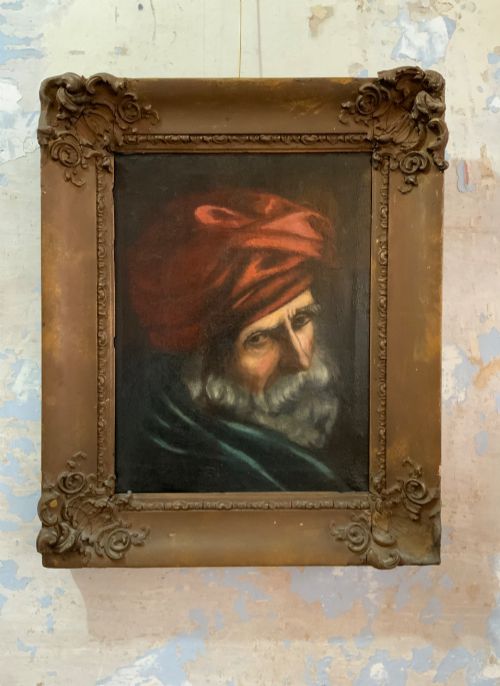
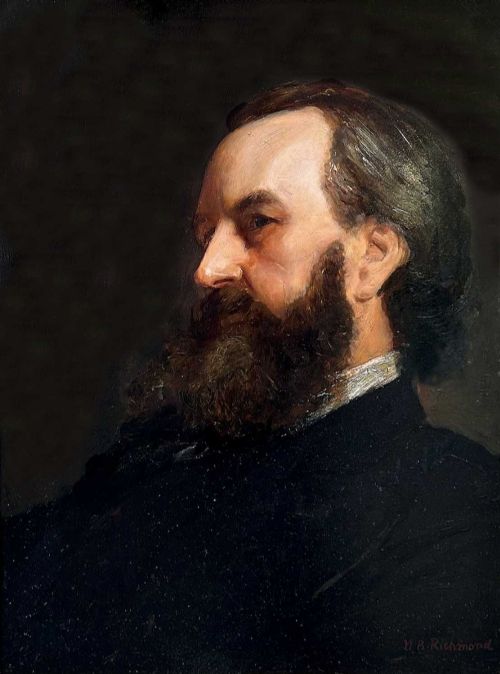
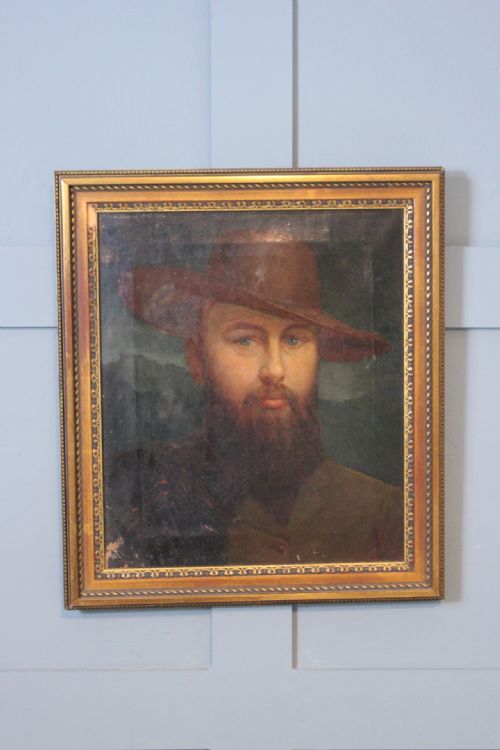
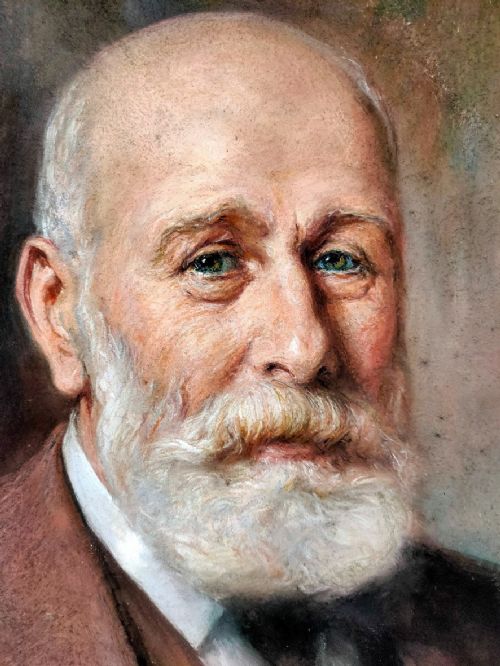
When you search for bearded gentleman artwork, you encounter character studies and formal portraits executed in oil on canvas or board, alongside bronze busts. These works span from the eighteenth century through the Victorian and Edwardian eras, capturing figures ranging from named engineers and scholars to anonymous sitters and literary archetypes like musketeers.
The version you are most likely to meet on this page is a nineteenth-century oil painting in a gilded wood frame. Such pieces typically present a mature male subject with detailed facial hair, reflecting academic realism, Orientalist subjects, or traditional portraiture from British and continental European schools.
How they were made
Artists built these works primarily using oil paint applied to stretched canvas, wooden panels, or rigid board supports. The technique relies on layered brushwork to achieve depth in skin tones and the intricate texture of facial hair, often finished with varnishes that have deepened over the decades.
Sculptural representations utilise bronze cast through traditional foundry methods, capturing fine details in the hair and expression before receiving patination. Framing is integral to the presentation, featuring gilded wood and gesso moulding designed to complement the palette of the portrait.
Bearded Gentleman Artwork Retail Price Guide 2026
Typical asking prices for bearded gentleman artwork among the pieces listed under this phrase on Sellingantiques today, from the lower quarter to the upper quarter. They describe what is for sale here now, not the wider market.
Listings feature oil paint, canvas, board, and gilded wood across nineteenth-century and Edwardian pieces.
What varies in quality
The distinction between standard works and superior examples rests upon the artist's ability to convey psychological depth and individual character rather than mere likeness. Finer paintings demonstrate confident handling of light across the subject's face and beard, creating a convincing sense of volume and presence.
Material preservation and framing also define the hierarchy of these pieces. Original gilt gesso frames that match the period of the artwork and surfaces free from extensive overpaint elevate the standing of a piece within its genre.
Ferdinand Victor Leon Roybet·Sir Thomas BROCK·Frederick Christian Lund·Charlotte Blakeney Ward·Otto Rothenburgh·William Biscombe Gardner
The Bearded Gentleman Artwork Glossary
- Academic Realism
- A style of painting and sculpture produced under the influence of European academies of art. It prioritises precise drawing, smooth finishes, and classical composition.
- Gilt Gesso
- A material composed of plaster of Paris or chalk mixed with glue, used on wooden frames to create relief ornamentation before gilding with gold leaf. This combination provides the ornate border typical of period portraits.
- Orientalism
- The depiction of Eastern themes and subjects by Western artists, prevalent in the nineteenth century. These works often feature sitters in traditional regional dress, such as Arabic or Persian gentlemen.
- Oil on Canvas
- A medium formed by pigments suspended in a drying oil, applied to a woven fabric support. This combination allows for rich colour blending and longevity.
Bearded Gentleman Artwork: Frequently Asked Questions
What periods do these portraits cover?
The works span from the eighteenth century through the Victorian and Edwardian eras up to the early twentieth century. Most examples date from the nineteenth century.
Production methods and framing styles reflect the prevailing tastes of these distinct periods, moving from formal academic oils to bronze sculptural studies.
How were these artworks displayed?
Historically, portrait paintings of gentlemen hung in libraries, institutional halls, and private drawing rooms to denote status, profession, or lineage. They served as both decorative centerpieces and familial records.
Today, they function effectively in contemporary interiors as focal points that introduce historical depth and character to a room.
Are the sitters usually identified?
Some pieces record specific historical figures, engineers, scientists, and artists by name, complete with biographical dates. Other works depict anonymous sitters or theatrical archetypes such as musketeers.
Both named portraits and anonymous character studies offer insight into historical fashion, grooming, and portraiture conventions.
What materials support these paintings?
Artists used stretched canvas, wooden panels, and rigid boards as the primary supports for their oil paints. Canvas remains the most common foundation for nineteenth-century portraits.
These varied supports influence how the paint ages and interacts with environmental conditions over time.