






Gesso Framed Oil Painting
These gesso framed oil painting examples combine canvas, board and panel works with ornate gilded wooden surrounds.
Gesso Framed Oil Painting
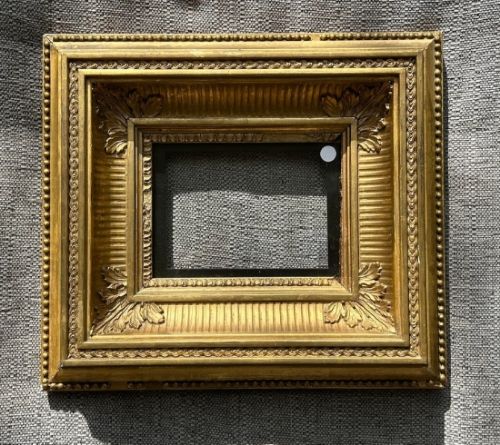
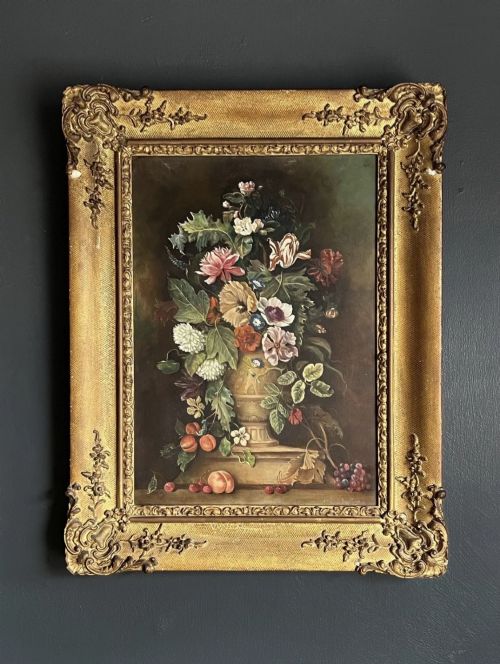
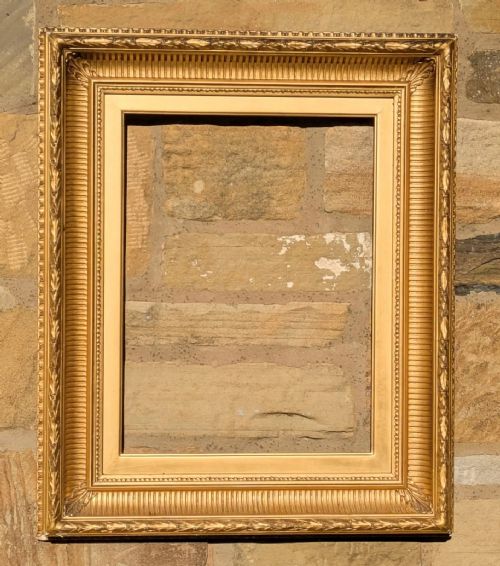
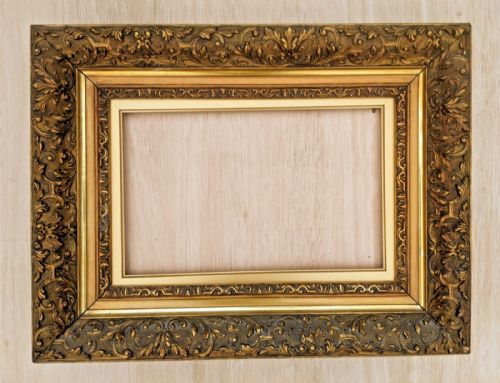
A gesso framed oil painting brings together an artwork created in oil paint on canvas, board or panel and a decorative surround shaped from gesso over wood. Buyers seeking this combination find both complete portraits or landscapes and empty antique frames intended for pictures.
The selections span centuries, featuring Victorian works alongside Dutch Golden Age style pieces, Post-Impressionism and 17th-century items. Victorian portraiture and landscapes dominate the forms available here.
Origins stretch across British and continental European traditions, encompassing Dutch winter scenes, French post-impressionist landscapes and domestic studies. The physical pairing of moulded ornament and oil pigment defines the entire category.
How they were made
Makers built the decorative surrounds by applying layers of gesso - a mixture of plaster of Paris or chalk with glue - over a wooden base. This pliable composition allowed artisans to carve, stamp or mould intricate relief patterns before applying gold leaf or liquid gilding.
Artworks themselves utilise oil paint applied to woven canvas stretched over wooden frames, or directly onto rigid wooden boards and panels. The final assembly married the finished painting to its custom-fitted or adapted surround.
Gesso Framed Oil Painting Retail Price Guide 2026
Typical asking prices for gesso framed oil painting among the pieces listed under this phrase on Sellingantiques today, from the lower quarter to the upper quarter. They describe what is for sale here now, not the wider market.
Victorian gentlemen and Dutch winter landscapes peer out from beneath centuries of accumulated gold leaf.
What varies in quality
Depth and crispness of the moulded ornament set superior frames apart from simpler, flatter moulding profiles. Hand-tooled gesso work retains sharp undercut details in the floral or scroll motifs, whereas mass-produced or heavily worn examples lose definition.
The artistry and condition of the central canvas influence overall desirability just as much as the frame. Expert brushwork, stable paint layers and original canvas stretching indicate a higher grade of production.
The Gesso Framed Oil Painting Glossary
- Gesso
- A foundational plaster mixture applied to wood frames to create a smooth or relief-carved surface for gilding.
- Giltwood
- Timber carved and covered with a thin layer of gold leaf or metallic powder, creating a bright reflective finish.
- Oil painting
- Artwork created using pigments bound with a drying oil, typically applied to canvas, board or panel.
- Rococo Revival
- A decorative 19th-century style marked by asymmetrical curves, C-scrolls and elaborate naturalistic plant motifs.
Gesso Framed Oil Painting: Frequently Asked Questions
How do I date a frame?
Dating relies on examining the construction of the underlying wooden corners, the composition of the gesso layer and the style of the ornamentation. Victorian and nineteenth-century pieces often display distinct revival motifs and machine-sawn timber elements.
Earlier examples from the seventeenth century feature heavier hand-carved wooden foundations beneath thicker, more brittle gesso and traditional gold leaf applications.
Are frames sold separately from art?
Many listings offer empty antique picture frames specifically designed for landscape or portrait oil paintings. These pieces function independently as decorative architectural elements or housings for unmounted canvases.
Other entries present complete works where the oil painting and the gesso frame have remained together since their creation.
How should I clean gesso frames?
Dust accumulation requires only a very soft, dry brush or feather duster applied gently across the raised relief details. Moisture and commercial cleaning solutions must be avoided entirely to prevent dissolving the water-soluble gesso and lifting the delicate gold leaf.
Professional conservators handle structural repairs and deep cleaning when the surface accumulates stubborn grime over the centuries.
What is post-impressionism?
Post-impressionism describes an art movement following impressionism where painters explored emotional depth and structural brushwork rather than purely optical effects. Artists working in this style utilised bold colour and distinct application techniques on canvas.
These later works frequently appear housed in period gesso surrounds that complement the expressive character of the paintings.