



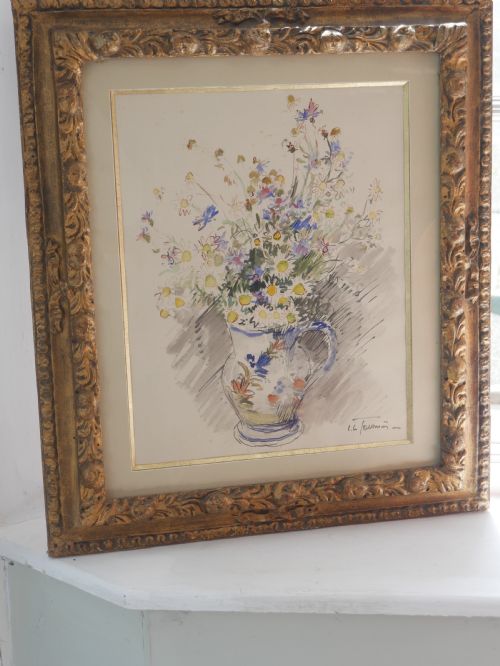
Carved Giltwood Frame Art
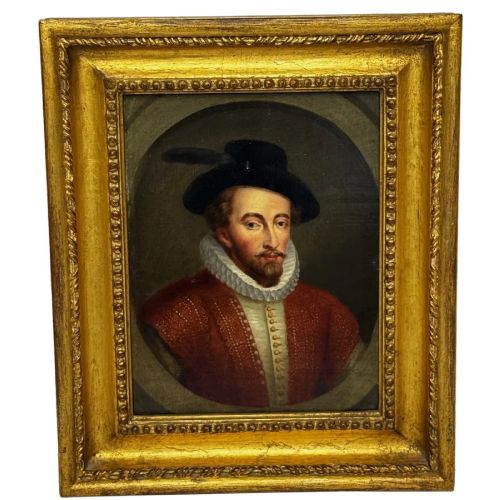
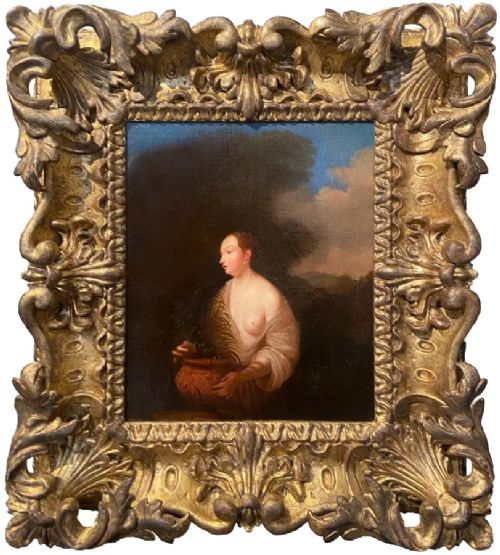
Carved giltwood frame art brings together historic oil paintings and heavy wooden surrounds carved with rich detail and finished in gold leaf.
Carved Giltwood Frame Art
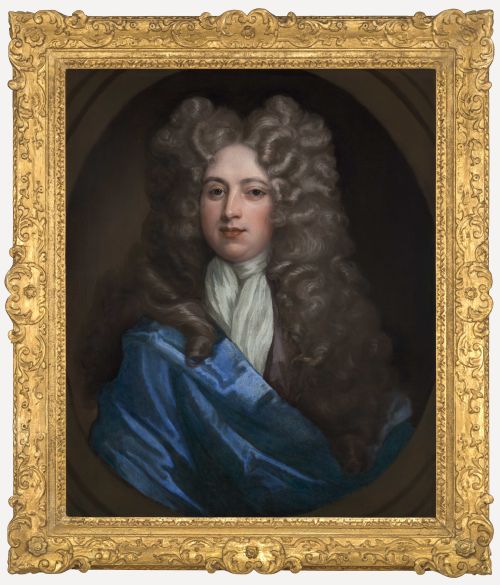
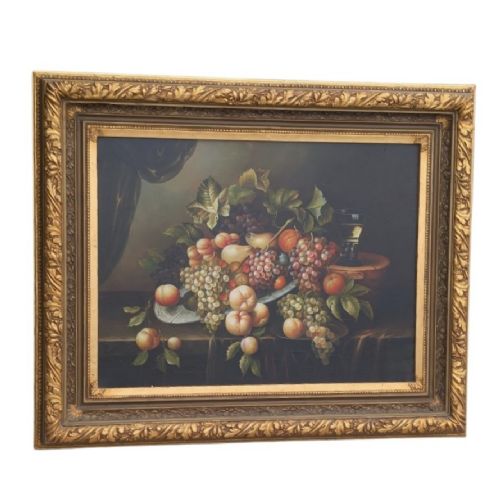
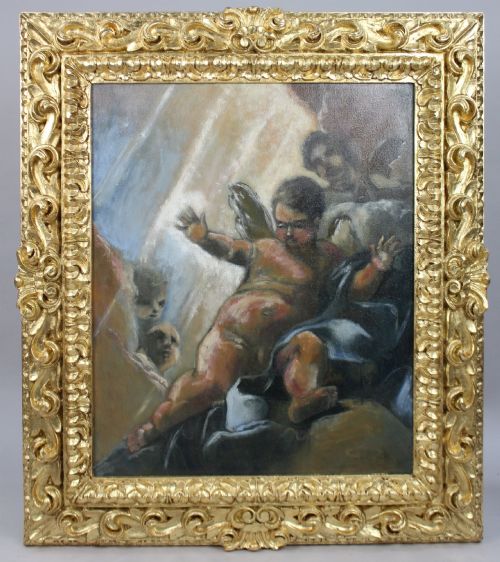
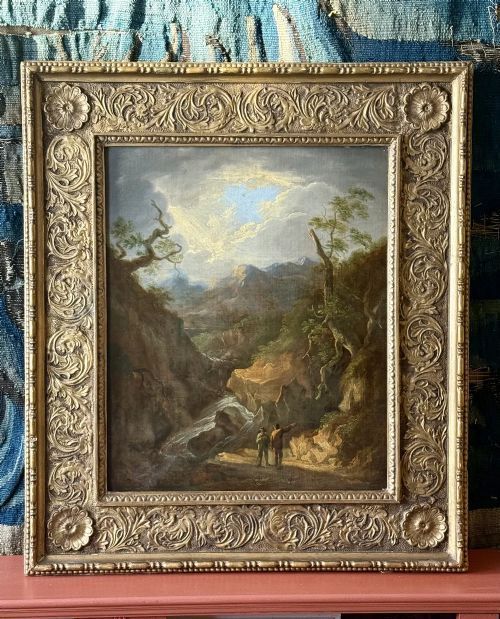
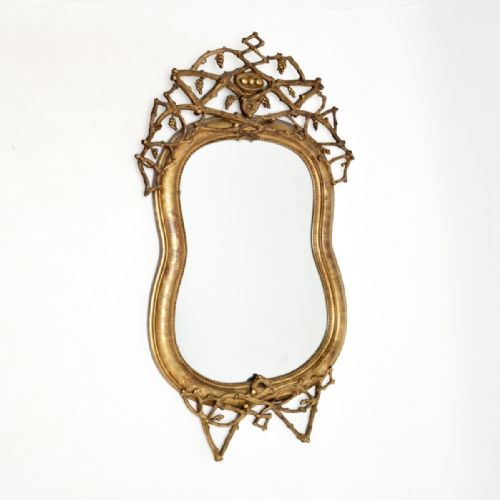
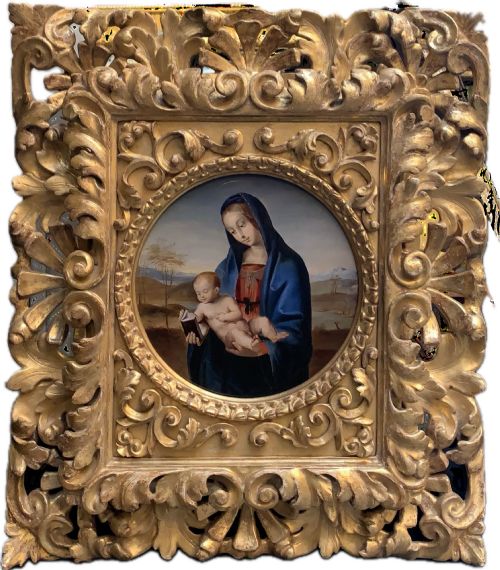
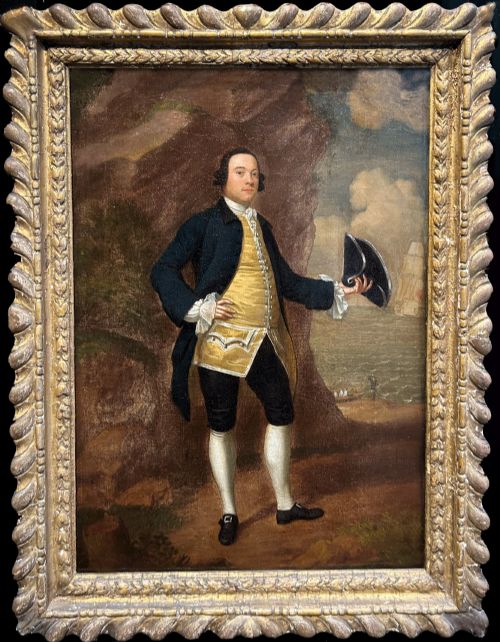
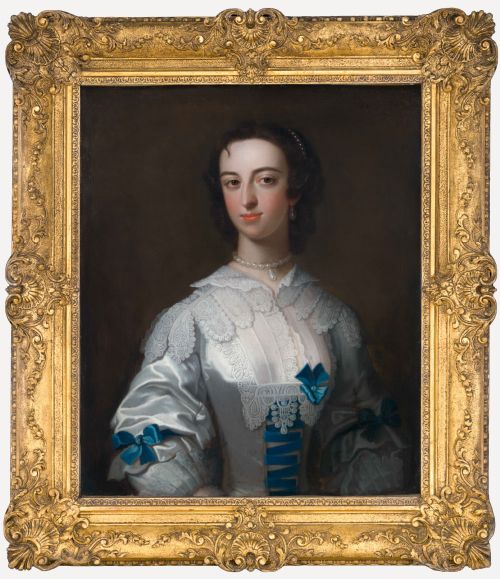
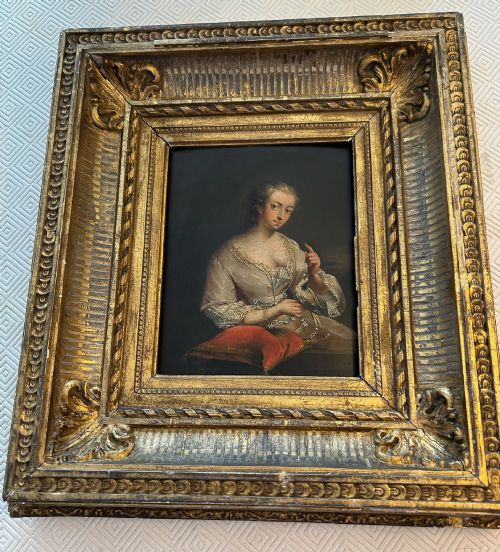
Buyers looking at carved giltwood frame art examine a mix of historic oil paintings, portraits, and decorative wall mirrors set inside ornate wooden surrounds. These pieces span from the sixteenth century through the nineteenth century, including seventeenth-century baroque portraits and eighteenth-century British and continental canvases.
The version most frequently met on this page is the oil painting on canvas housed within its period or revival giltwood enclosure, ranging from small devotional panels and miniatures to large scale portraits of gentlemen, ladies, and royalty.
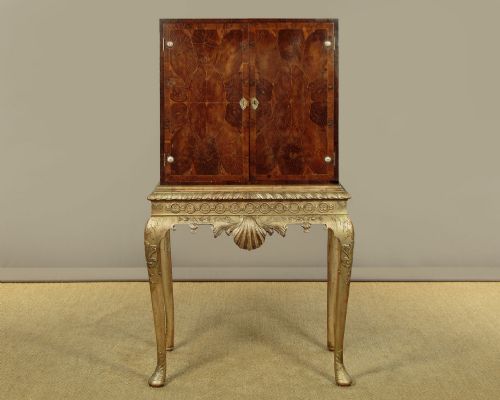
Beyond standard portraits and landscapes, the selection includes cabinets on stands and needlepoint tapestries, demonstrating how the carved giltwood frame encompasses various decorative and fine art forms across multiple centuries.
Materials and construction techniques
Artisans built these pieces using wood and gesso as a base before applying gold leaf or oil paint to the finished surface.
Makers carved intricate patterns directly into the wood or moulded them onto the gesso layer to achieve high relief ornamentation before applying the gilding.
Animals make charming appearances here, including dogs after Landseer, a painting of a monkey, and cattle at a river.
Indicators of quality and execution
Quality shows in the depth and precision of the carving on the wooden frame, where crisp lines and well-defined motifs separate superior work from simpler execution.
The application of gold leaf and the preservation of the underlying oil paint on canvas determine the visual cohesion and overall integrity of the artwork.
Sir Anthony van Dyck·Thomas Murray·Benjamin Barker of Bath·Henry Pickering·Sir Joshua Reynolds·Nicolaes Maes·Thomas Sidney Cooper
The Carved Giltwood Frame Art Glossary
- Giltwood
- Wood that has been coated with gold leaf or a gold-coloured finish. This material provides the brilliant metallic sheen characteristic of these historic frames.
- Gesso
- A plaster mix applied to wood surfaces as a preparation for painting or gilding. It allows artisans to carve intricate details smoothly.
- Oil on Canvas
- Pigments bound in a medium applied to a stretched cloth support. This technique forms the primary medium for the paintings found within these frames.
- Baroque
- An artistic style originating in the seventeenth century characterised by drama, deep relief, and exuberant ornamentation. It heavily influences the design of many frames and portraits in this category.
Carved Giltwood Frame Art: Frequently Asked Questions
How do I date a giltwood frame?
Dating relies on examining the wood construction, the composition of the gesso layer, and the specific carving style relative to known historical periods.
Changes in decorative motifs from the sixteenth century through the nineteenth century offer clear clues to a frame's age.
Are the paintings and frames original to each other?
Many historic artworks retain their original frames, though framing often changed over centuries as tastes evolved or damage occurred.
Matching the wear and tear between the canvas and the giltwood helps determine if they have a long history together.
How should I clean a giltwood frame?
Cleaning requires extreme care because moisture and aggressive rubbing can damage the delicate gold leaf and gesso base.
Dusting gently with a soft, dry brush is generally the safest method to maintain the surface without causing harm.
What subjects appear most often in these paintings?
Portraits of nobility, officers, and gentlemen dominate the selection, alongside landscapes, religious scenes, and animal studies.
These subjects reflect the commissioning trends of European artists from the sixteenth to the nineteenth centuries.