

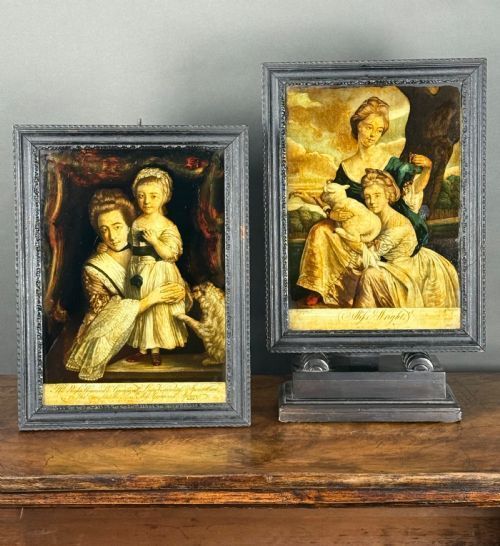
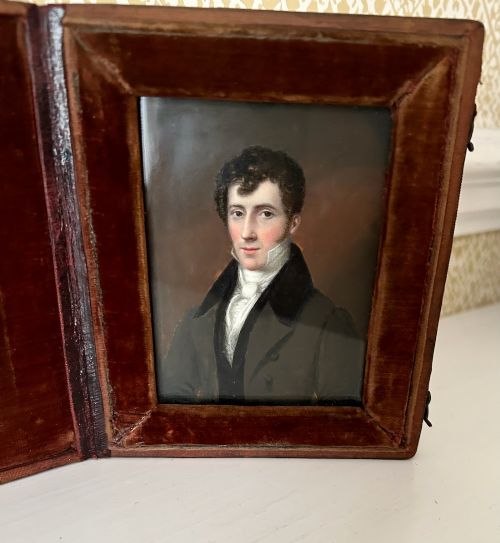


Fine Art Portrait Miniature
Fine art portrait miniature examples capture personal likenesses in miniature scale across the Georgian, Regency, and nineteenth-century periods.
Fine Art Portrait Miniature
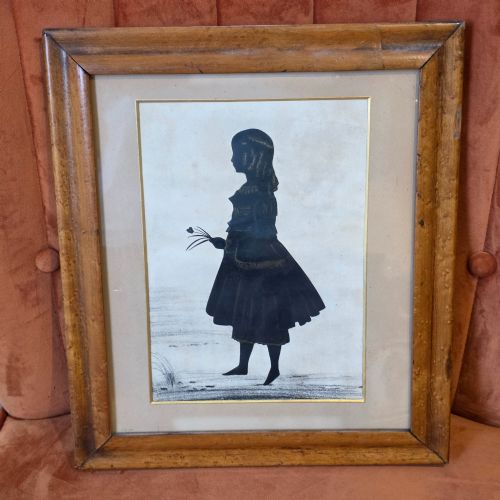
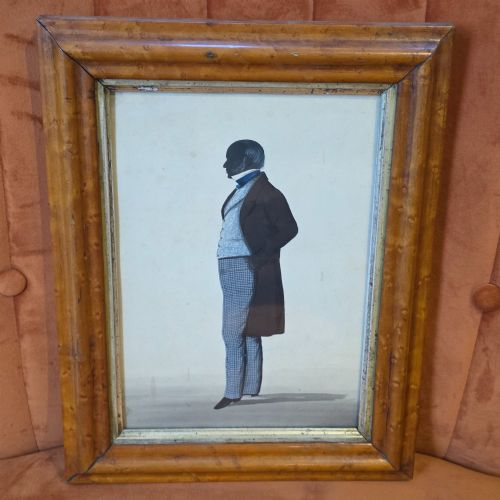
The selections available here span diverse media, including hand-cut silhouettes, reverse glass mezzotints, and delicate paintings on agate panels or copper. Makers utilise paper, card, and glass to achieve striking detail within restricted dimensions.
How They Were Made
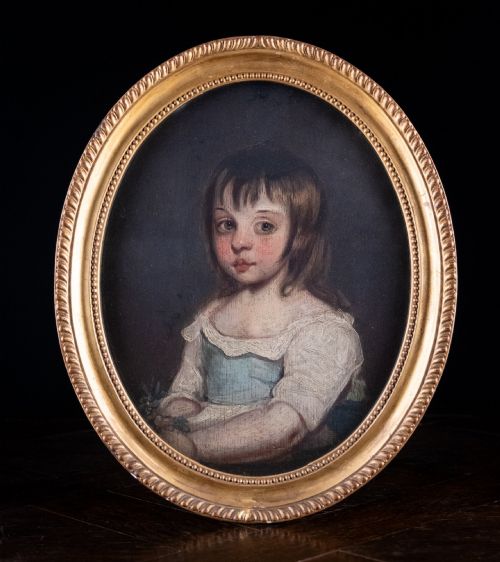
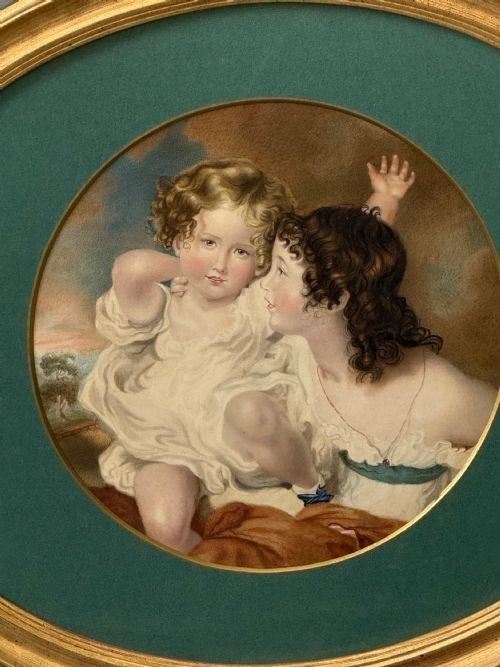
Artists executed these small works using watercolour, oil paint, or gouache on specialised surfaces like paper, card, agate panels, and copper. Fine brushwork required steady hands and specialised magnification.
Protective framing often involved gilt metal, wood, or giltwood surrounds, frequently incorporating glass panels to safeguard delicate pigments from moisture and handling.
Listings span from the seventeenth century through to the early twentieth century, utilising oil paint, watercolour, paper, and gilt metal.
What Varies in Quality
Mastery of proportion and facial expression distinguishes superior works from more rigid or formulaic examples. The handling of light, drapery, and background detail shows the true skill of the artist.
The preservation of the original surface and the integrity of the antique frame significantly influence the overall character of the piece.
James Sharples·John Taylor·William Naish·Nicolas Freese·Frederick Buck·Albin R Burt·William Egley·Susie Lassam·Louis Leopold Boilly·Edward Pugh·Samuel Cotes·Isaac Wane Slater·Diana Hill·AE Chalon·Sir Peter Lely·George Perfect Harding·John Scougall·Elisabeth Vigee Le Brun·Francis Alleyne·George Engleheart
The Fine Art Portrait Miniature Glossary
- Plumbago
- A delicate drawing executed in graphite or black lead, often seen in eighteenth-century portraiture. This technique allowed artists to achieve remarkable detail in monochrome.
- Gouache
- An opaque water-based paint that provides solid colour and strong highlights in miniature paintings. It is frequently combined with watercolour on paper or card.
- Mezzotint
- A printmaking process of the intaglio family where tones are created by roughening the metal plate. Reverse glass examples involve imagery applied directly to the glass substrate.
- Silhouette
- A two-dimensional profile portrait, commonly cut from black paper or painted in ink. These items often feature fine hand-cut details and subtle highlights.
Fine Art Portrait Miniature: Frequently Asked Questions
How were portrait miniatures displayed historically?
These intimate items were frequently worn as personal jewellery, kept in travel cases, or displayed on parlour walls. Owners carried them close to the body to maintain a connection with absent family members.
Over time, collectors transitioned to hanging them in groups on dedicated gallery walls to showcase diverse artistic hands and historical costumes.
What lighting is best for viewing miniatures?
Natural, indirect light reveals the delicate brushwork and subtle pigment variations without causing damage. Avoid placing these sensitive works in direct sunlight.
Soft ambient room lighting protects the fragile watercolours and paper components from fading over extended periods.
How do I identify the period of a miniature?
Costume details, hairstyles, and framing styles offer the clearest clues to the date of execution. Clothing cuts and accessories match documented historical fashions from the Georgian, Regency, and Victorian eras.
Signatures, inscriptions on the reverse, and the material of the backing or housing also help establish the timeframe.
Are these pieces painted on ivory?
The recorded materials for these items include paper, card, agate panels, copper, and glass. Artists utilised these varied supports alongside watercolour, oil paint, and gouache.
Inspecting the substrate reveals the specific medium chosen by the artist for the commission.