
Paper Watercolour Portrait Art
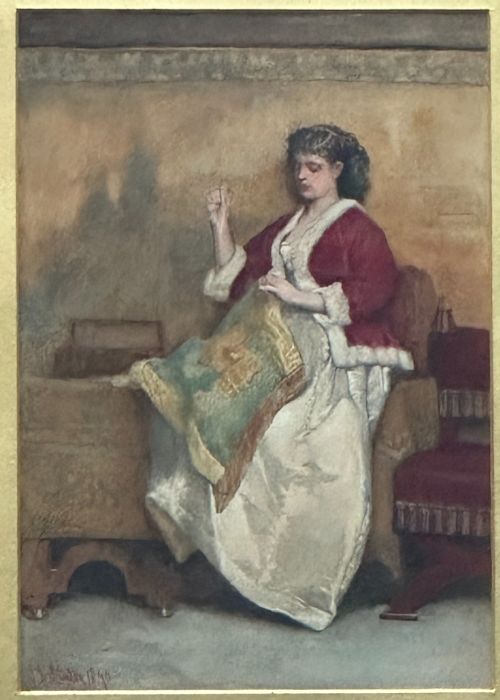
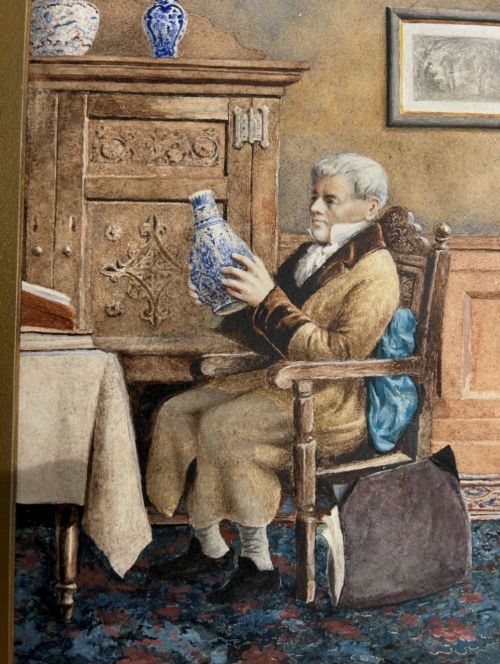
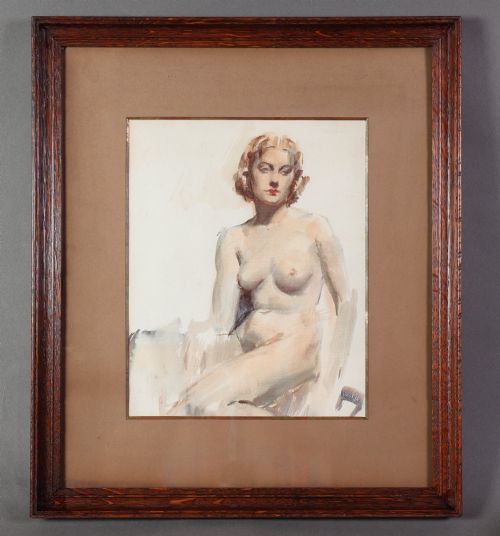
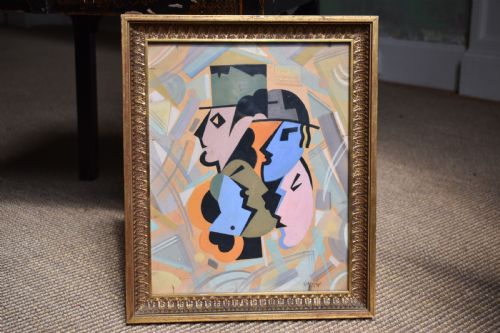
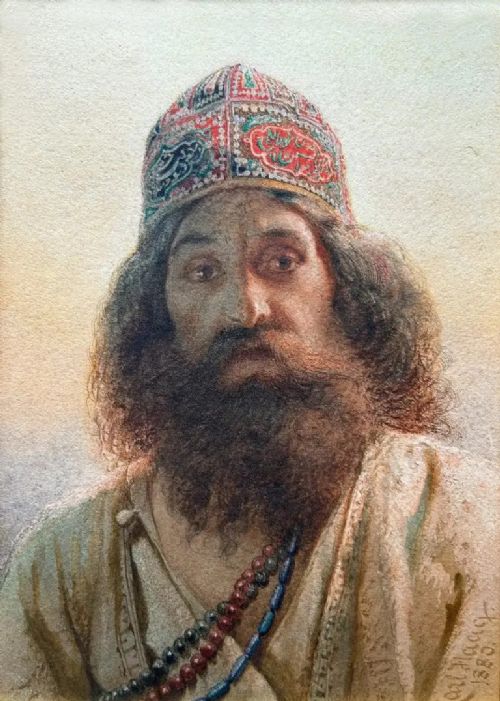
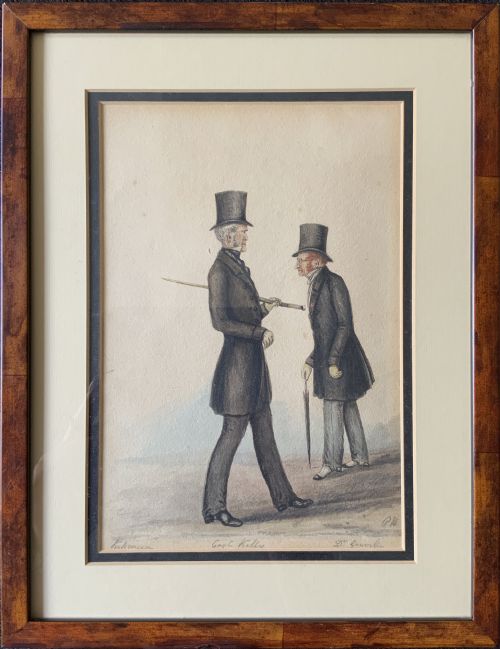
When you search for paper watercolour portrait art, you find delicate character studies and likenesses executed on paper using pigment and ink.
Paper Watercolour Portrait Art
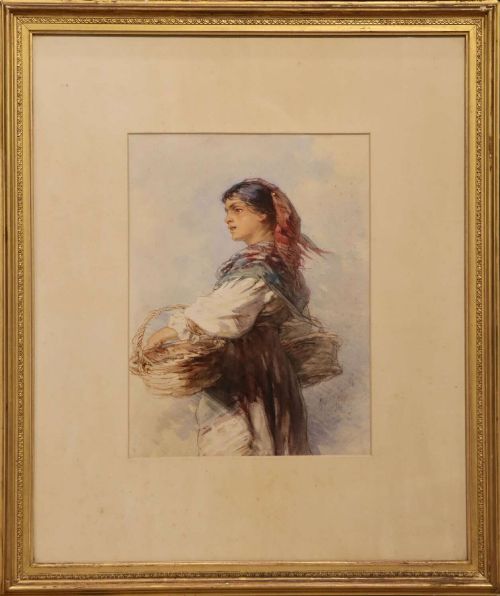
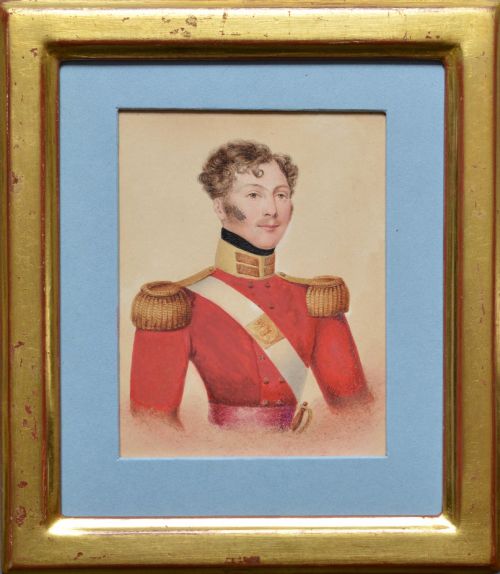
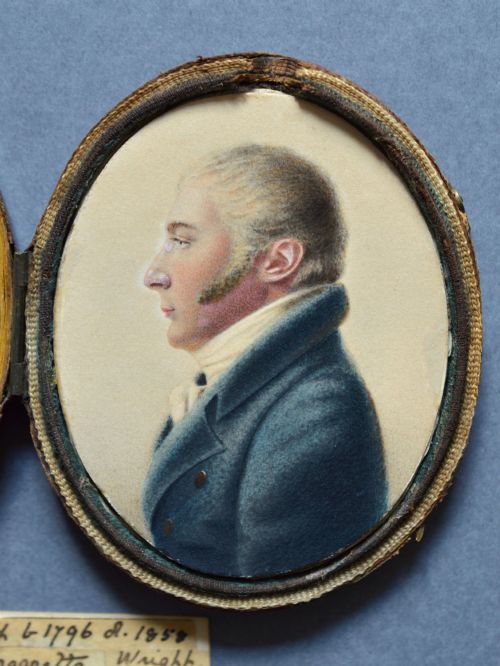
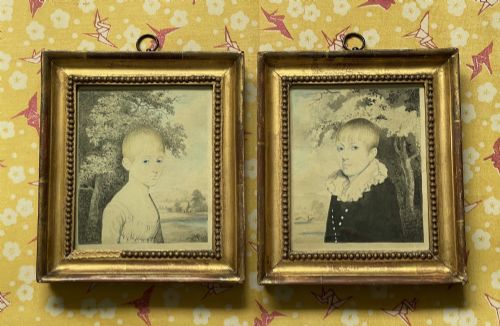
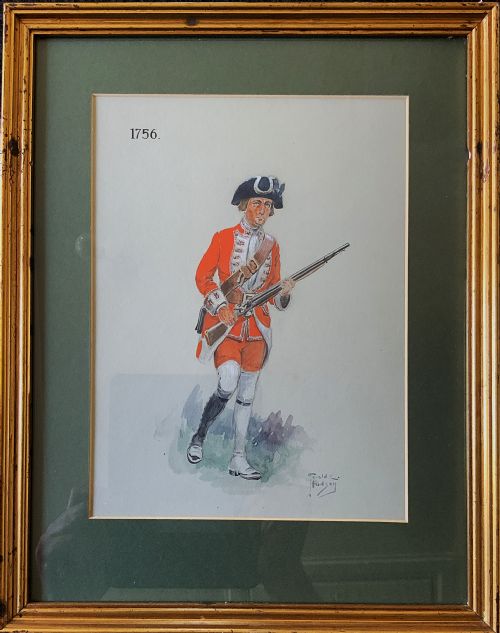
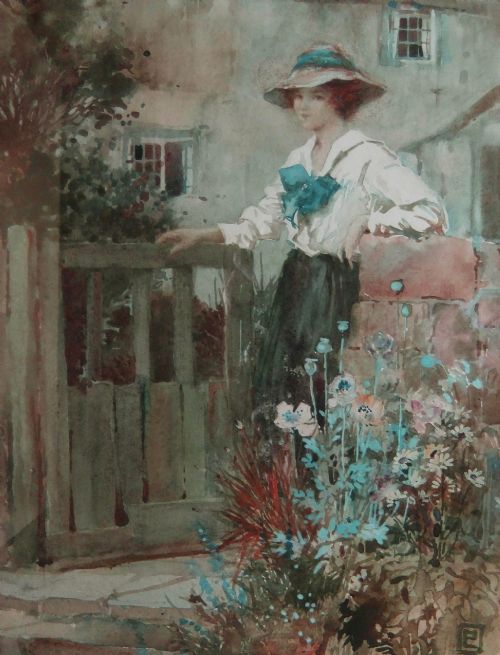
Paper watercolour portrait art encompasses framed paintings, portrait miniatures and wall art created across the Georgian, Regency and Victorian periods up through the twentieth century. These works capture specific individuals, military personnel and genre figures rendered with distinct regional and stylistic approaches.
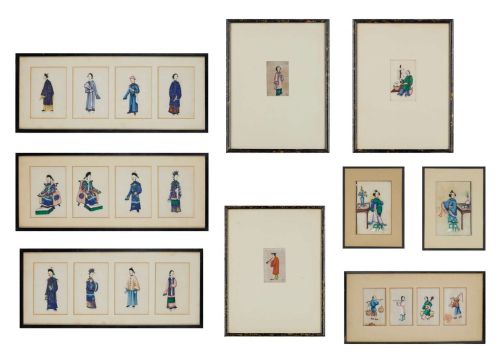
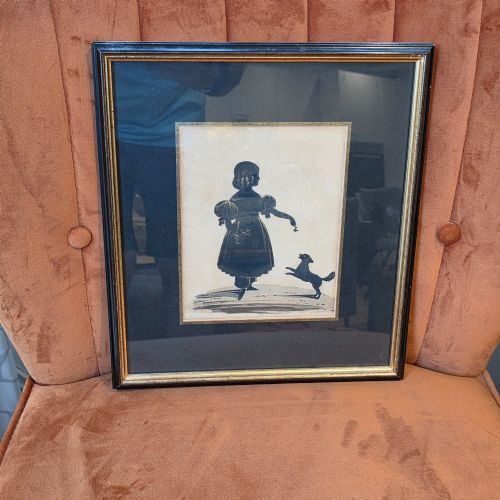
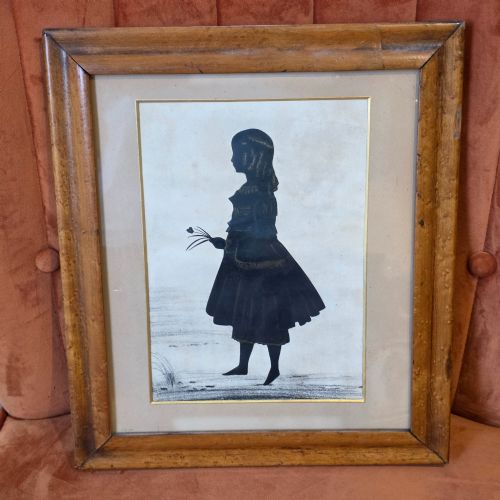
The pieces most frequently met on this page include nineteenth-century British school watercolours, Chinese pith paper paintings and intricate cut-paper silhouettes enhanced with watercolour pigments. Such works range from intimate miniature likenesses to full-length studies framed behind glass in original wood or gilt frames.
Materials and Technique
Artists painted primarily upon paper, card or pith paper using water-soluble pigments, often combining watercolour with ink, gouache or pencil underdrawing to build fine facial details. Cut-paper silhouettes incorporated layered card and hand-applied washes to achieve depth and costume detail.
Framing materials typically involved wood, maple, gilt wood and gold leaf, with protective glass glazing essential for preserving the delicate water-soluble pigments and paper supports from atmospheric moisture.
Several portraits preserve the likenesses of unexpected subjects, including a three-month-old infant and a remarkably attentive horse.
Assessing Quality
The condition of the paper support and the vibrancy of the original pigment heavily influence the standing of a piece, alongside the presence of period framing materials such as maple or gilt wood that preserve the work safely.
Guido Bach·William James Hubard·Sir James Dromgole Linton·Carl Haag·Philip Richard Morris·Alice Anne Renshaw·Filipo Indoni·Augustus Jules Bouvier
The Paper Watercolour Portrait Art Glossary
- Watercolour
- A painting method in which the pigments are suspended in a water-based solution, applied chiefly to paper. It allows for transparent washes and delicate tonal gradations.
- Gouache
- An opaque water-based paint consisting of pigment massed with chalk, producing a heavier, solid matte finish. It frequently appears alongside watercolour to highlight details.
- Pith paper
- A delicate material formed from the pith of the rice paper plant, used for traditional nineteenth-century Chinese paintings. It absorbs water-based pigments to produce vibrant colour effects.
- Silhouette
- A portrait represented as a solid shape of a single colour, usually black, showing the profile. These were frequently cut from paper and embellished with ink or watercolour.
- Miniature portrait
- A small-scale painting executed with meticulous detail on paper, card or ivory. These portable likenesses were highly popular throughout the Georgian and Victorian eras.
Paper Watercolour Portrait Art: Frequently Asked Questions
How should I hang these watercolours?
Keep them away from direct sunlight to prevent the pigments from fading over time. Position them on interior walls where temperature and humidity remain stable.
Ensure the protective glass does not press directly against the paper surface. Proper framing preserves both the paper support and the delicate washes.
What periods do these portraits cover?
The works span from the eighteenth century through the Georgian and Regency eras, extending into the Victorian period and the early twentieth century. Each era brings distinct clothing styles, framing choices and painting techniques.
Nineteenth-century examples dominate the selection, showing diverse British and international artistic traditions.
What is pith paper art?
Pith paper paintings originate from nineteenth-century China and utilise a spongy plant material as the painting surface. The delicate substrate absorbs watercolour and gouache to create luminous figural scenes.
These fragile sheets require careful housing behind glass to prevent crumbling or tearing.