


Antique British Portrait
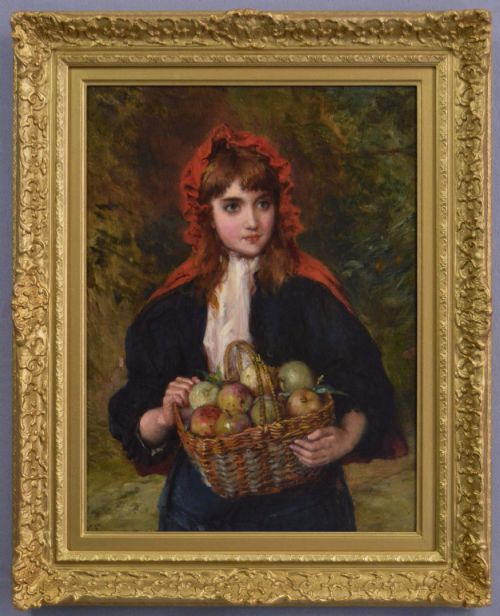
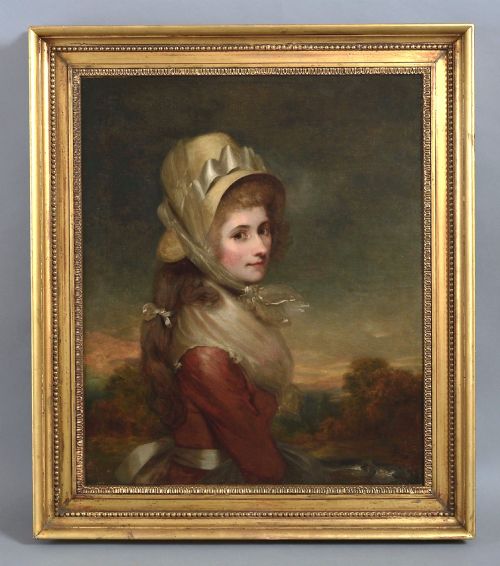
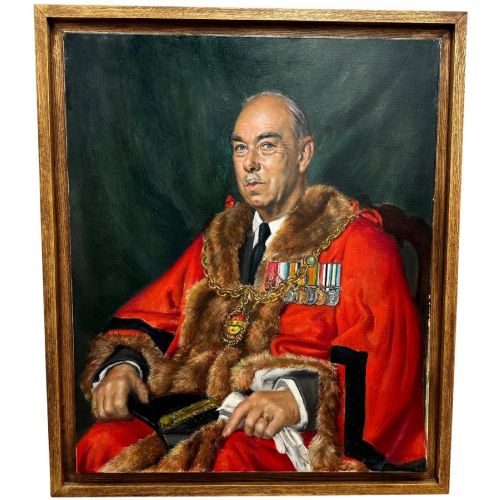
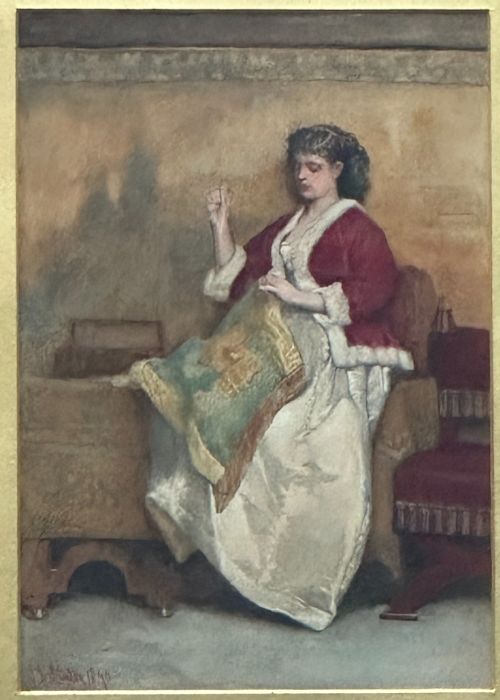
An antique british portrait captures centuries of individual character, offering a direct link to historical sitters through oil, canvas, and paper.
Antique British Portrait
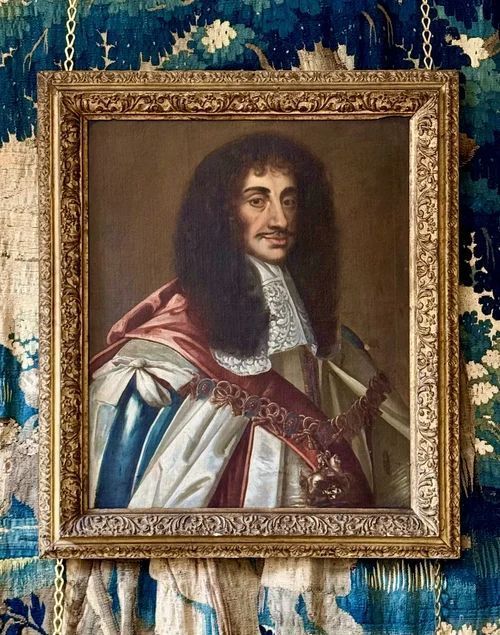
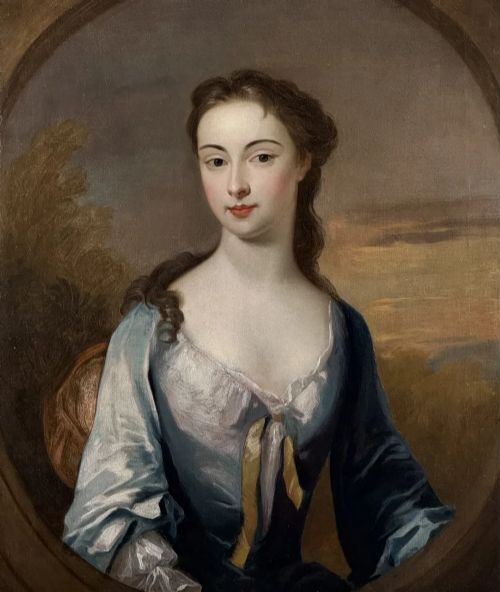
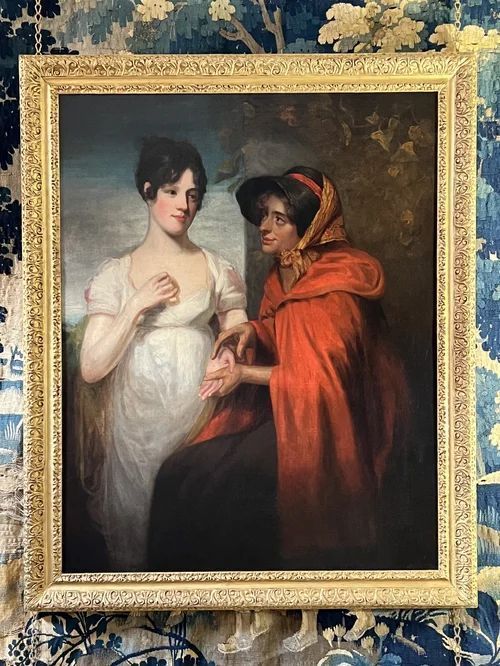
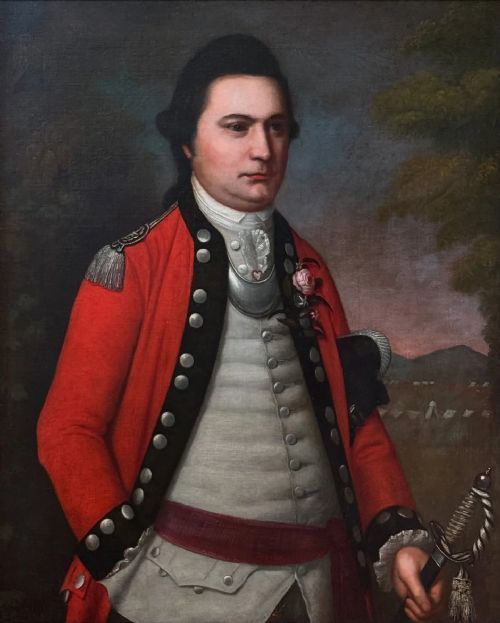
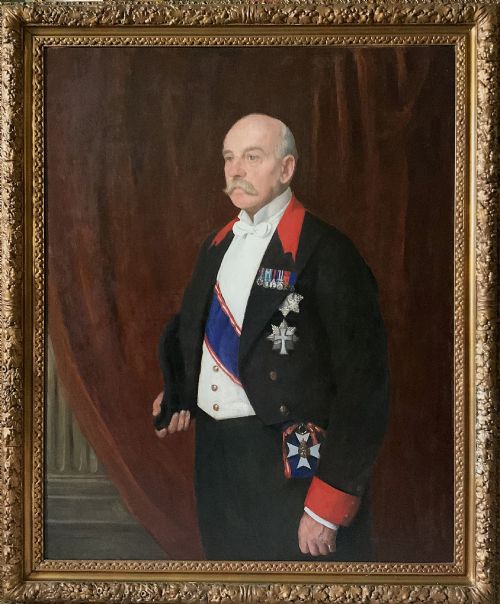
An antique british portrait represents historical subjects ranging from seventeenth-century nobility to nineteenth-century gentlemen and ladies, preserved through paintings, drawings, and prints.
The selections encountered here span eighteenth-century oil canvases, Victorian watercolors, and twentieth-century pastels, often framed in period giltwood.
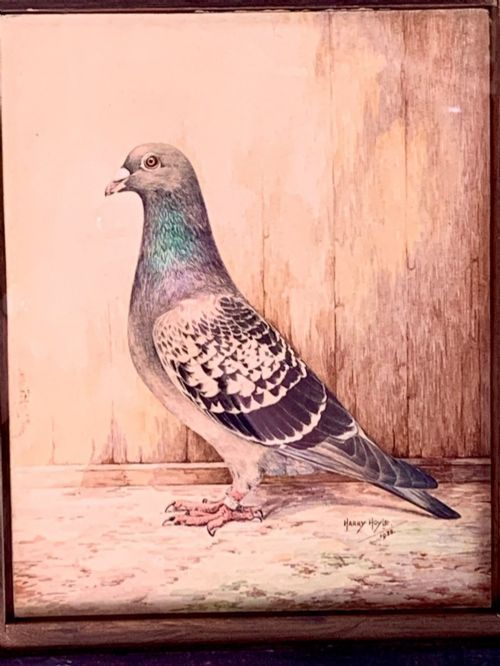
Beyond human subjects, the category extends to prized animals, sporting dogs, and racing pigeons, reflecting British portraiture traditions across multiple centuries.
How They Were Made
Artists applied oil paint to stretched canvas or wooden panels, utilising glazing techniques and pigments to capture fabrics, lace collars, and skin tones.
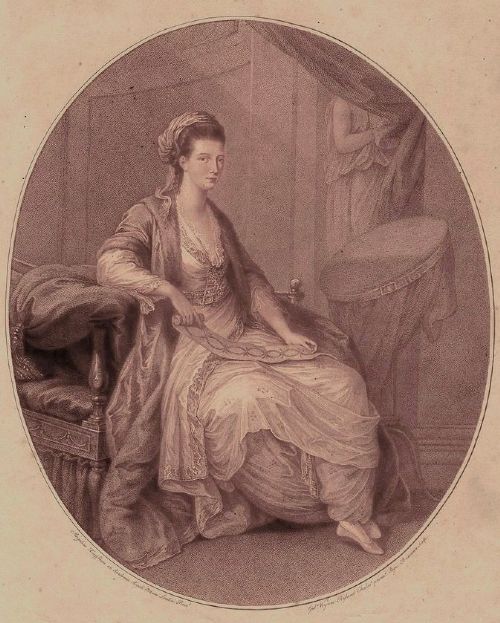
Works on paper utilised watercolor and pastel media, while printmakers produced mezzotints and engravings on paper using engraved metal plates.
Listings feature oil on canvas, watercolor, pastel, and mezzotint across the seventeenth, eighteenth, nineteenth, and twentieth centuries.
What Varies in Quality
The distinction between workshop productions and master paintings lies in the handling of facial anatomy, lighting depth, and the texture of garments.
Material survival affects overall integrity, distinguishing works retained in original frames from those with extensive restoration to the canvas support.
Sir Peter Lely·Sir Godfrey Kneller·Charles Jervas·John Opie·Sir Joshua Reynolds
The Antique British Portrait Glossary
- Mezzotint
- A printmaking process of the intaglio family where the plate is roughened to achieve tonal gradations. This technique allows for rich dark backgrounds and subtle shading ideal for portraiture.
- Canvas
- A heavy woven fabric used as a surface support for oil paintings. Traditional grounds were applied before the artist began painting.
- Pastel
- A dry medium composed of powdered pigment and a binder, pressed into stick form. It produces velvety surfaces seen in nineteenth and twentieth-century portrait drawings.
- Giltwood
- Wood carved and coated with a thin layer of gold leaf. Period frames utilise this finish to complement oil paintings.
- Periwig
- A voluminous man's wig fashionable in the seventeenth and early eighteenth centuries. Its presence helps date male portrait subjects accurately.
Antique British Portrait: Frequently Asked Questions
How do I date an antique portrait?
Costume, hairstyles, and framing styles provide the primary evidence for dating. Gentlemen in periwigs point to the late seventeenth century, while high-waisted muslin dresses indicate the Regency period.
Secondary clues include canvas stamps, stretcher construction, and inscriptions on the reverse of the panel or frame. Comparing brushwork to documented examples from specific centuries narrows the timeframe further.
What is the difference between oil and pastel portraits?
Oil paintings utilise pigments suspended in drying oils applied to canvas or wood, creating durable surfaces with deep lustres. Pastels consist of dry pigment sticks applied to paper, offering a soft, matte finish.
Pastel works require glass protection to prevent pigment loss, whereas oil paintings tolerate ambient conditions better once fully cured.
Why are some portraits attributed to a school or circle?
Attributions to a school indicate an anonymous artist working within the style and region of a known master during that era. Circle references denote painters who worked closely alongside or were heavily influenced by a specific master.
These designations reflect the workshop practices of historical British art, where assistants and followers produced works sharing aesthetic characteristics with prominent painters.
How should I hang and light oil portraits?
Display oil paintings away from direct sunlight and fluctuating heat sources to protect the canvas and pigment. Stable indoor humidity prevents wood panels and giltwood frames from warping or cracking.
Use dedicated picture lights with low-heat LED bulbs to illuminate the canvas without causing fading or thermal damage to the aged paint layers.