



Earl Portrait Painting
An earl portrait painting captures titled nobility and statesmen in oils, watercolours, and miniatures across centuries of British history.
Earl Portrait Painting
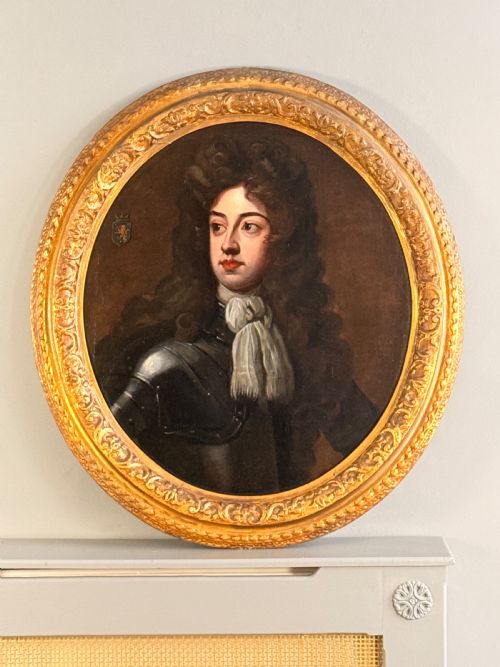
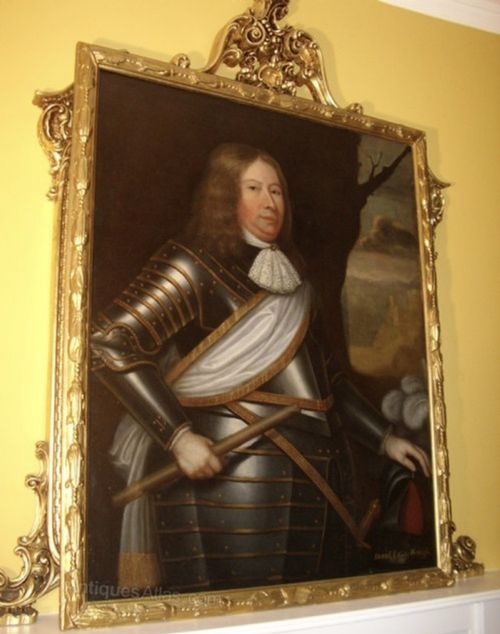
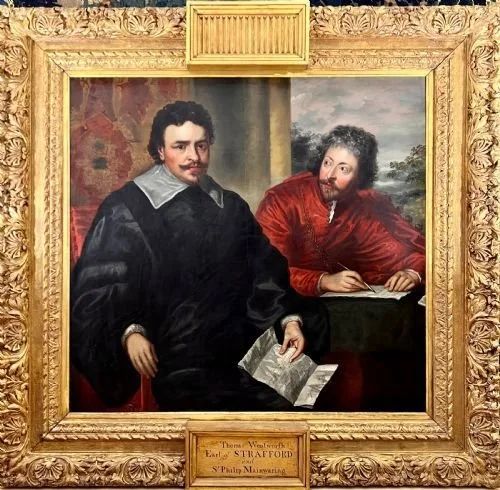
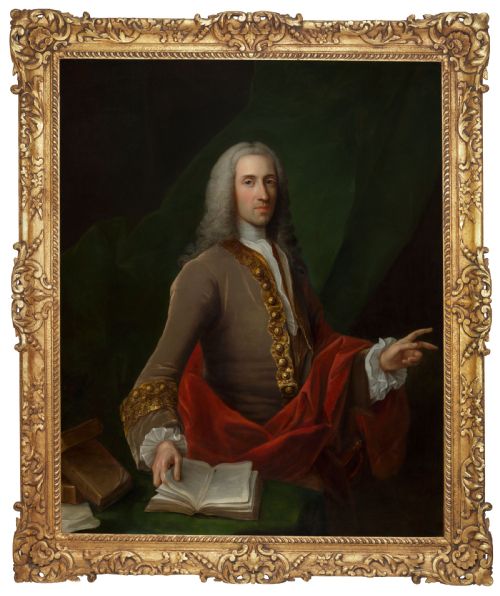
An earl portrait painting depicts specific members of the peerage, rendered across the seventeenth, eighteenth, nineteenth, and early twentieth centuries. These works serve as historical records of prominent figures such as earls, lords, and admirals, often captured during periods like the Georgian and Regency eras.
The selections range from full oil paintings on canvas to delicate miniature portraits housed on gilt metal stands or framed in wood. Subjects appear alongside distinct attributes denoting their station, including books, armour, robes, or specific landscapes.
Most examples originate from British schools and circles of notable painters, capturing the likeness of historical personages from the Earl of Morton to the Earl Beatty. Buyers encounter both large formal canvases intended for stately homes and intimate portrait miniatures.
What varies in quality
The distinction in these portraits lies in the handling of the sitter's likeness and psychological presence, where master hands achieve a lifelike depth in the eyes and skin tones. Weaker works display rigid posture and formulaic drapery lacking individual character.
Compositional complexity also dictates standing, with superior pieces integrating symbolic background elements like distant landscapes, heraldry, or personal objects that reflect the earl's station. The preservation of the original canvas, pigment stability, and the quality of the period frame further influence the stature of each piece.
Earl Portrait Painting Retail Price Guide 2026
Typical asking prices for earl portrait painting among the pieces listed under this phrase on Sellingantiques today, from the lower quarter to the upper quarter. They describe what is for sale here now, not the wider market.
The listings show works spanning the seventeenth to the early twentieth centuries, executed in oil, watercolour, and gouache.
Jeremiah Davison·Sir Godfrey Kneller·Trajan Hughes·George Earl·Sir William Beechey·Sir James Guthrie·George Hayter·Henry L Gates
The Earl Portrait Painting Glossary
- Oil on Canvas
- A traditional painting medium where pigments suspended in drying oils are applied to stretched woven fabric. This method allowed artists to achieve rich colours and subtle tonal gradations.
- Portrait Miniature
- A small, highly detailed painting, often executed on metal, vellum, or paper. These portable likenesses were frequently kept as personal mementos or displayed in specialised stands.
- Giltwood
- Wood that has been coated with a thin layer of gold leaf or gold paint. Frames utilising this technique were standard for displaying formal oil paintings.
- Circle of
- A term used when a painting shows the distinct influence and style of a master artist without being directly by their hand. It often denotes a contemporary working within the same artistic environment.
- Gouache
- An opaque water-based paint mixed with a fine white pigment. It produces a dense, matte finish suited to detailed miniature work.
Earl Portrait Painting: Frequently Asked Questions
What is an earl portrait painting?
An earl portrait painting is a historical artwork depicting a member of the peerage holding the title of earl. These pieces document figures from British history through various artistic styles spanning several centuries.
Subjects are usually painted in formal attire, sometimes accompanied by objects indicating their rank or profession. They range from large oil canvases to small miniature portraits.
How do I identify the period?
Dating relies on the clothing style, hair fashions, and painting techniques visible in the artwork. Details like lace collars, armour, or Regency coats provide clear chronological markers.
Reference to specific historical figures with known birth and death dates also helps establish the era in which the portrait was created.
Where were these portraits displayed?
Original locations included country houses, town residences, and private libraries belonging to aristocratic families. Large canvases hung in reception rooms to display lineage and status.
Miniatures were kept in more private spaces, sometimes carried on the person or placed on desks using specialised stands.
How should I care for an oil portrait?
These paintings require stable environmental conditions away from direct sunlight and excessive humidity. Regular dusting with a soft, dry brush keeps the canvas surface clear.
Original giltwood frames should be handled with care to prevent chipping of the gold leaf surface.