



Ancestral Portrait Artwork
Ancestral portrait artwork captures family lineage through oil paintings and hanging scrolls spanning the seventeenth to twentieth centuries.
Ancestral Portrait Artwork
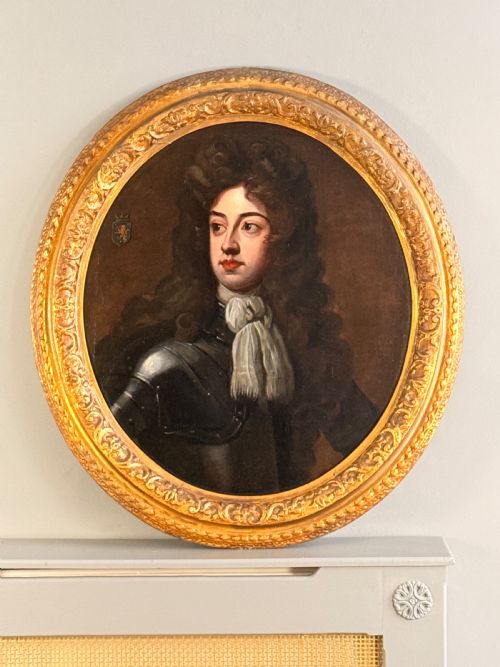
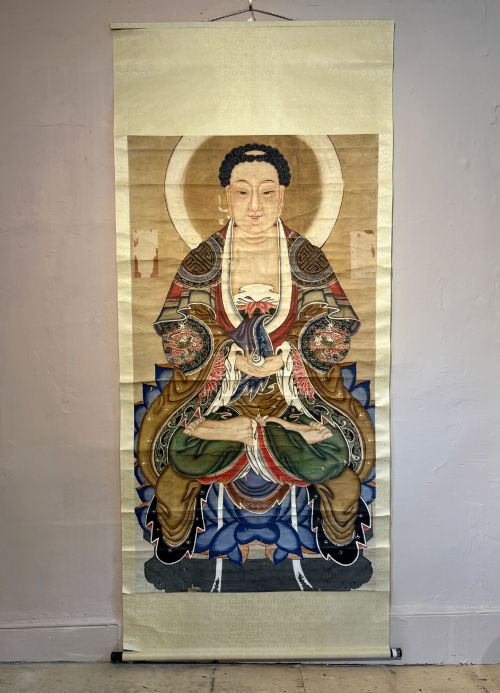
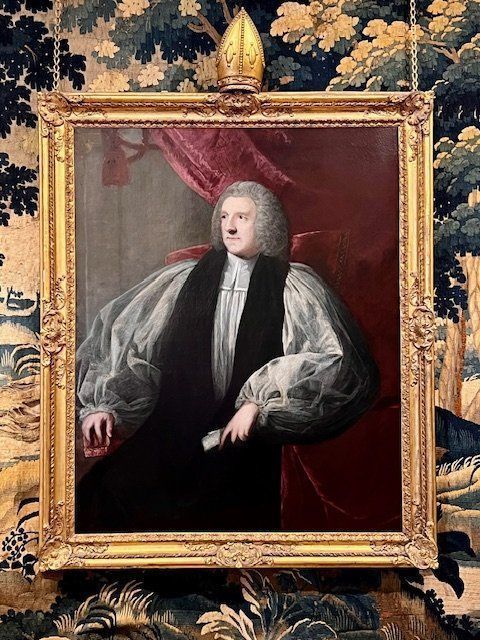
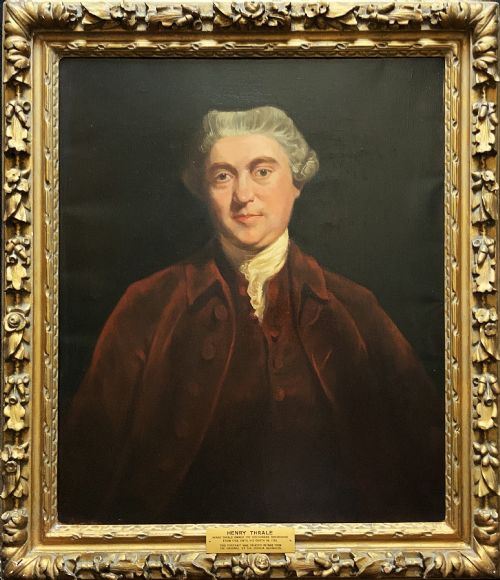
Ancestral portrait artwork encompasses oil paintings and hanging scrolls that depict named individuals and seated subjects from past centuries. These works range from seventeenth-century British school oils to nineteenth-century Chinese ancestor group portraits.
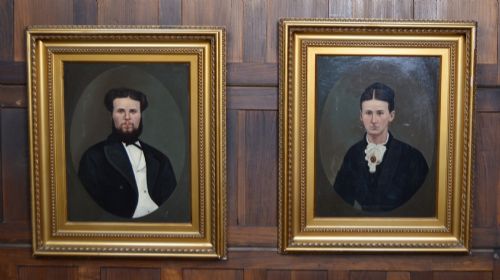
Buyers will encounter framed pairs of gentlemen and ladies alongside single subjects rendered in oil on canvas or ink and colour on silk and paper. The selection includes works by listed makers alongside pieces from the English and Scottish schools.
Dating spans the seventeenth, eighteenth, and nineteenth centuries, with later pieces extending into the Edwardian era and nineteen-sixty. Formats vary from oval oil paintings and large giltwood-framed canvases to vertical hanging scrolls.
Markers of distinction
Quality in these works rests upon the precision of facial rendering and the psychological presence captured by the hand. Master painters command superior handling of fabric textures, lighting, and anatomical proportion compared to anonymous provincial workshops.
The integrity of the original support, the retention of period framing such as carved giltwood, and documented attributions to known painters elevate the standing of individual pieces.
Ancestral Portrait Artwork Retail Price Guide 2026
Typical asking prices for ancestral portrait artwork among the pieces listed under this phrase on Sellingantiques today, from the lower quarter to the upper quarter. They describe what is for sale here now, not the wider market.
Listings feature works spanning the 17th, 18th, and 19th centuries, executed in oil on canvas, giltwood, silk, and paper.
Sir Godfrey Kneller·Sir Joshua Reynolds·Thomas Beach
The Ancestral Portrait Artwork Glossary
- Oil on canvas
- Pigments suspended in a drying oil medium applied to a woven fabric support. This surface has served as the primary medium for European portraiture since the Renaissance.
- Giltwood
- Wood carved and coated with a thin layer of gold leaf or metallic powder. It frequently frames formal oil paintings from the seventeenth through nineteenth centuries.
- Hanging scroll
- A vertical scroll format used in East Asian art for mounting and displaying paintings on walls. They are typically composed of silk, paper, and decorative fabric borders.
- Gesso
- A plaster mixture used as a smooth base on wood panels or frames before gilding or painting. It provides a stable foundation for intricate carved details.
- English school
- A term applied to works produced by artists working within Britain whose specific individual identity is unrecorded or generalized. These paintings share regional stylistic conventions of their period.
Ancestral Portrait Artwork: Frequently Asked Questions
How do I hang heavy framed portraits?
Heavy oil paintings in giltwood frames require robust wall fixings secured directly into studs or masonry rather than standard plasterboard hooks. Utilise professional picture-hanging wire rated significantly above the combined weight of the canvas and frame.
Position the painting at eye level to replicate the traditional gallery display intended for these historical works. Ensure the hanging location avoids direct sunlight and damp environments to protect the canvas.
What is an ancestor scroll?
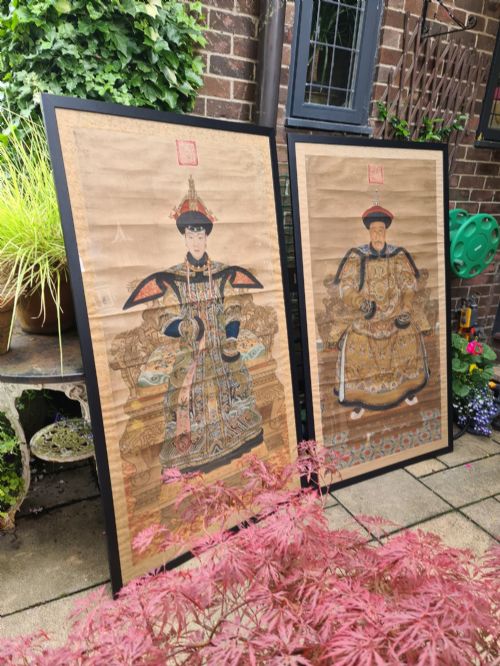
An ancestor scroll is a traditional East Asian hanging scroll depicting lineage figures, often created for commemorative purposes. These works utilise ink and colour on silk or paper, mounted within fabric borders for vertical wall display.
Such scrolls served ceremonial functions within families and feature formal seated poses that denote status and heritage. They require careful humidity control to preserve the delicate silk and paper grounds.
How do I date an antique portrait?
Dating relies on stylistic evidence including clothing fashions, hairstyles, collar styles, and the construction of the wooden stretcher or frame. Seventeenth-century subjects display distinct lace collars and armour, whereas eighteenth-century sitters often feature powdered wigs and tailored waistcoats.
Signatures, inscriptions, and labels on the reverse of the canvas or stretcher provide additional documentation. Comparing the handling of paint with dated examples from the same regional school narrows the period further.