


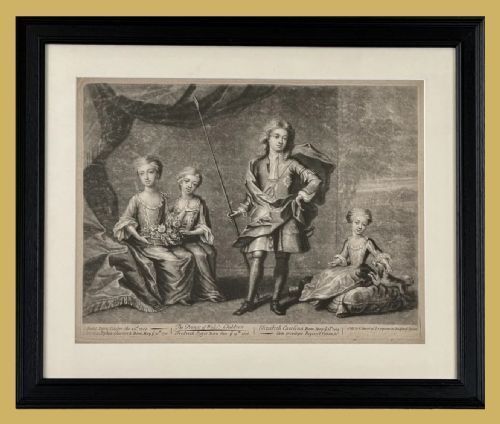
Antique Monochrome Artwork
Antique monochrome artwork brings together centuries of ink, paper and graphite to capture portraits and landscapes through tone alone.
Antique Monochrome Artwork
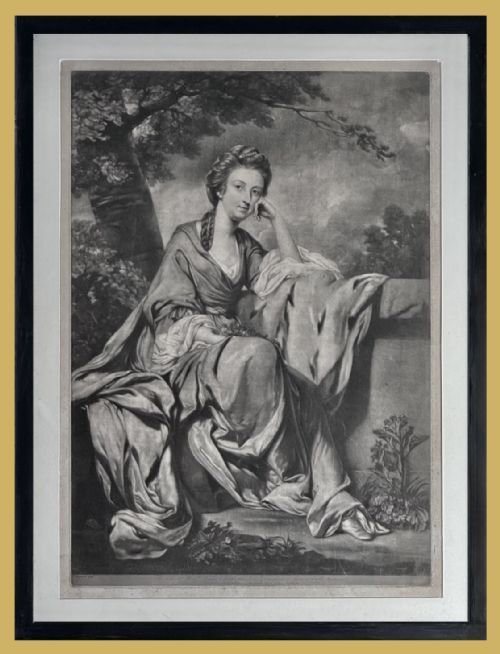
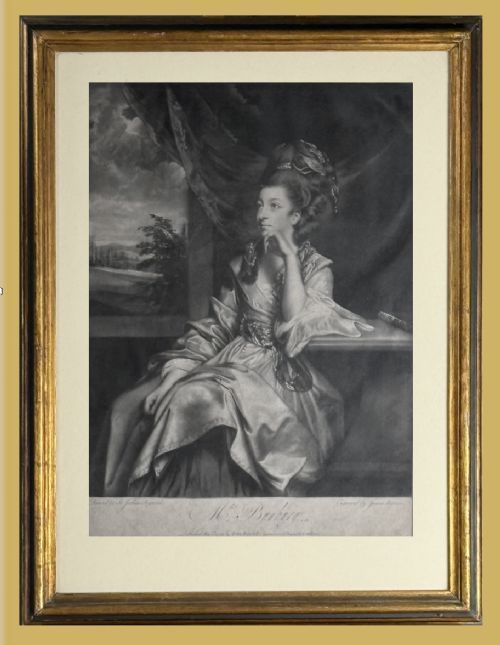
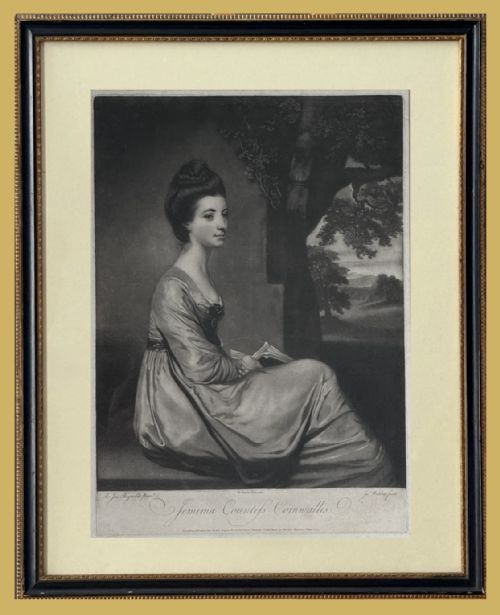
When searching for antique monochrome artwork, buyers encounter a diverse range of historic prints, engravings, mezzotints and original drawings rendered in single-colour palettes. These pieces span from the seventeenth century through the Georgian, Victorian and Edwardian eras into the early twentieth century.
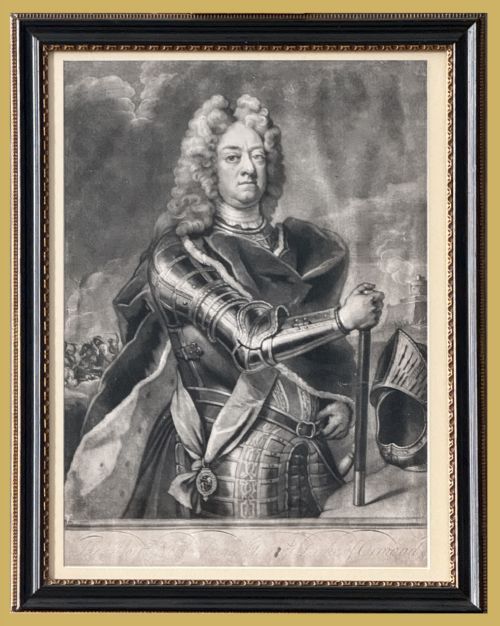
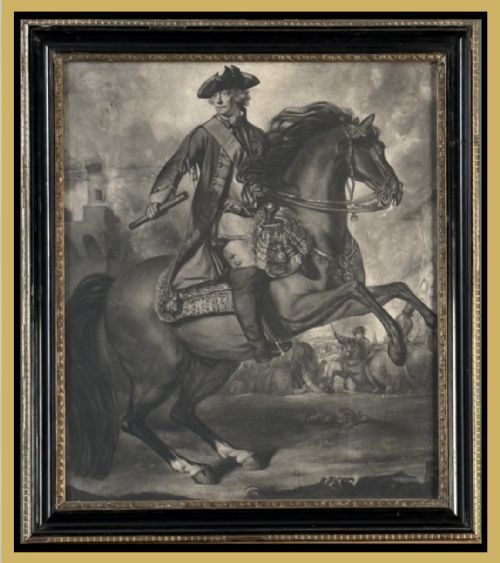
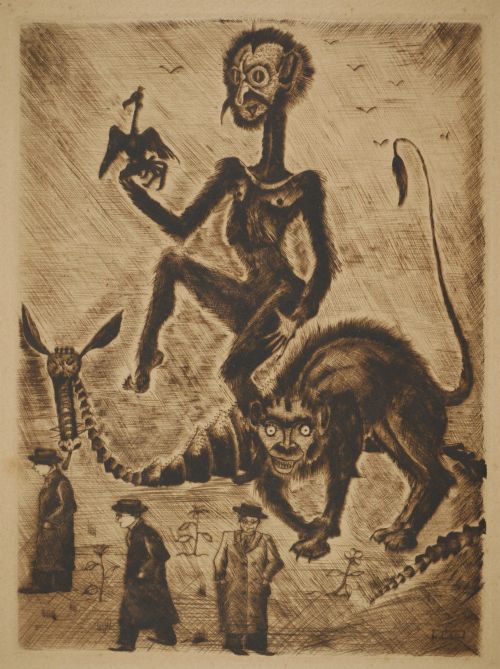
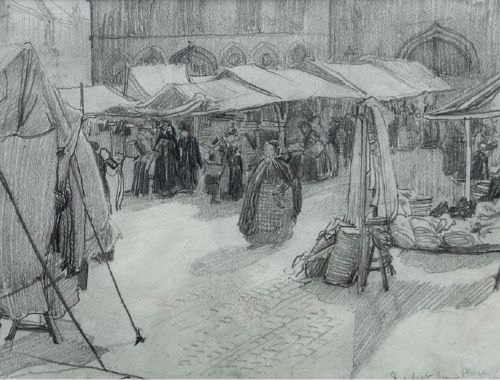
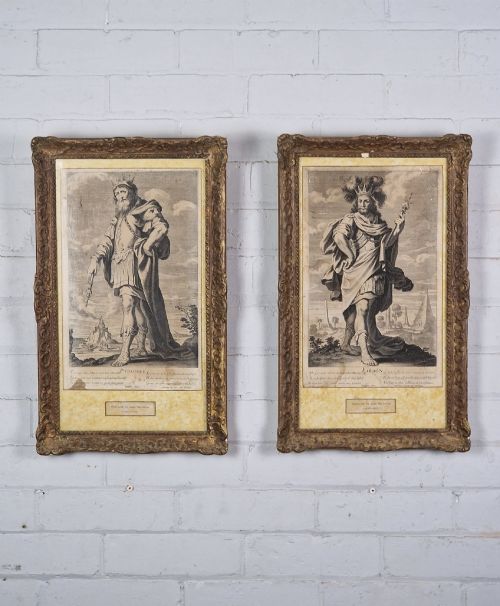
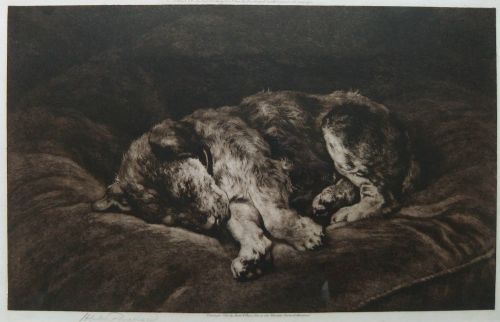
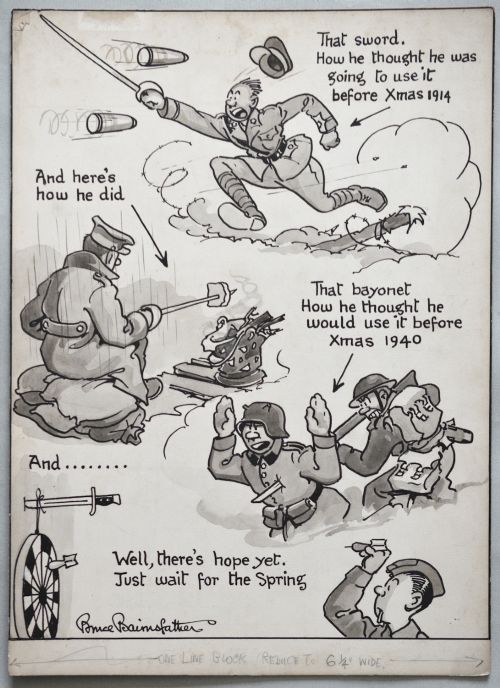
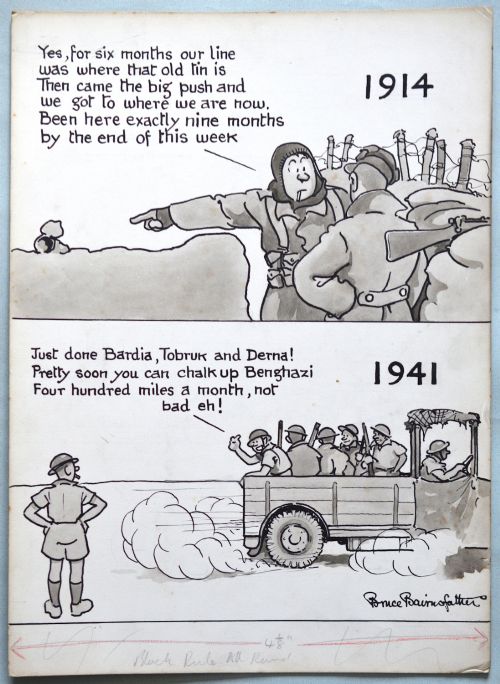
The selections on this page are dominated by detailed mezzotints and copperplate engravings after prominent painters, alongside original pencil drawings, charcoal sketches and drypoint etchings.
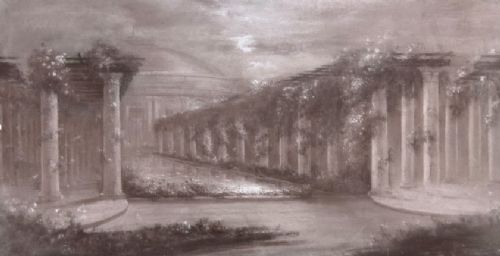
Subjects range widely from aristocratic portraiture and classical mythology to architectural studies, botanical works and moody landscapes framed in wood, often retaining period characteristics.
How they were made
Printmakers of the seventeenth, eighteenth and nineteenth centuries utilised copper and steel plates, working surfaces with burins, drypoint needles and rockers to hold ink.
Mezzotints required working a roughened plate from dark to light to achieve rich tonal gradations, while engravings relied on precise incised lines carved directly into the metal.
Original works on paper deployed graphite, charcoal, ink and washes, often mounted behind glass with gilt or gold leaf accents and housed within oak or moulded frames.
Listings feature works spanning from the 17th century through the 1930s, using paper, ink, graphite, and charcoal.
What varies in quality
The impression quality of prints dictates much of the visual depth, where early strikes from a fresh copper plate display crisp lines and velvety dark tones compared to worn later editions.
Paper selection and preservation also determine value, as heavy laid paper with visible watermarks and minimal foxing holds ink better than brittle, acidic modern replacements.
The integrity of the framing, whether an original period wood moulding with gilded elements or a later replacement, affects the historical coherence of the piece.
John Simon·Edward Fisher·John Smith·James Watson·Herbert Dicksee
The Antique Monochrome Artwork Glossary
- Mezzotint
- A printmaking process where the copper plate is roughened uniformly to produce rich dark tones and subtle graduations of light. This tonal method became the primary medium for reproducing oil paintings in eighteenth-century Britain.
- Drypoint
- An intaglio printmaking technique where an artist scratches an image directly onto a metal plate with a sharp needle. The process raises a small ridge of metal called a burr, which catches the ink to create a velvety line.
- Engraving
- A method of cutting designs into a hard surface using a steel tool called a burin. The resulting lines hold the ink for printing under high pressure.
- Foxing
- Brown spots and discolouration that develop on old paper due to chemical reactions involving iron impurities in the pulp. It appears commonly on prints and drawings from damp storage conditions.
- Laid paper
- Handmade paper featuring a grid of parallel chain and wire lines visible when held to the light. This paper stock is typical of books and prints produced before the nineteenth century.
Antique Monochrome Artwork: Frequently Asked Questions
What is a mezzotint?
A mezzotint is an intaglio printmaking process that achieves deep shadows and smooth tonal gradients without relying on traditional line work.
Artists roughened copper plates entirely to hold heavy ink, then scraped away areas to create highlights and midtones.
How do I date antique paper?
Dating paper involves examining its texture, watermark, and deckle edges. Handmade sheets from earlier centuries often show distinct chain lines from the wire moulds used during production.
Typography, ink composition, and stylistic clues in the artwork provide further chronological context.
Should I reframe antique prints?
Original frames, especially period oak or moulded wooden surrounds, contribute significantly to the historic character of monochrome art.
Conservation framing is recommended only when acidic backing materials threaten to damage the delicate paper inside.
Why are some prints signed in pencil?
Pencil signatures, particularly on early twentieth-century etchings and drypoints, indicate that the artist personally inspected and approved the impression.
This practice became standard among printmakers wanting to verify the quality of limited editions.