


Stuart Period Art
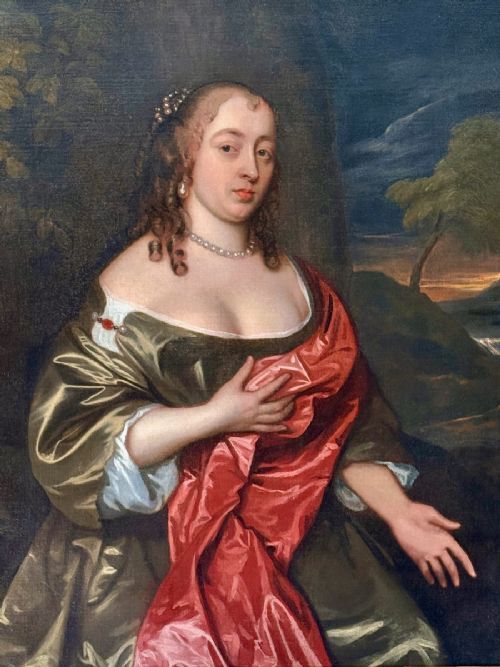
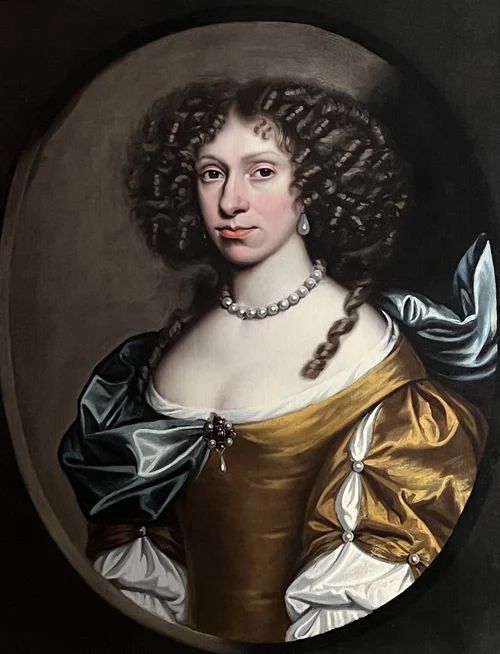
When you search for stuart period art, you encounter oil paintings, mezzotints and textile panels that capture the likenesses of nobility and royalty from the seventeenth century.
Stuart Period Art
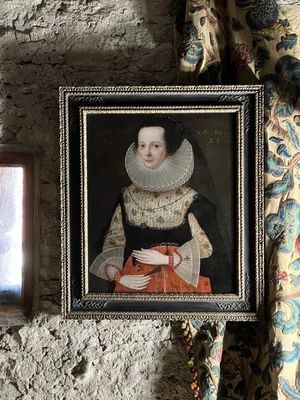
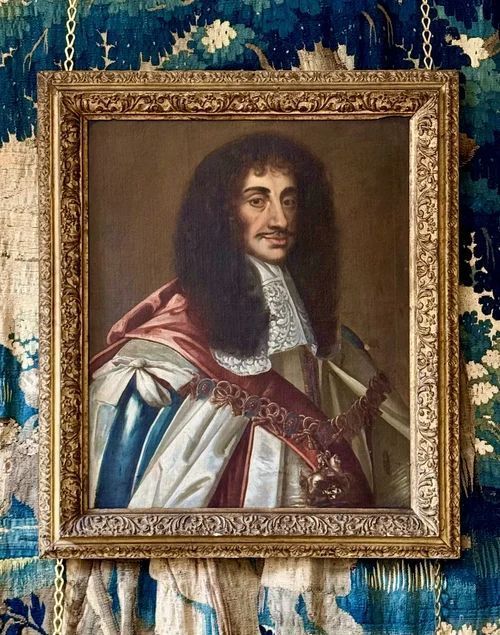
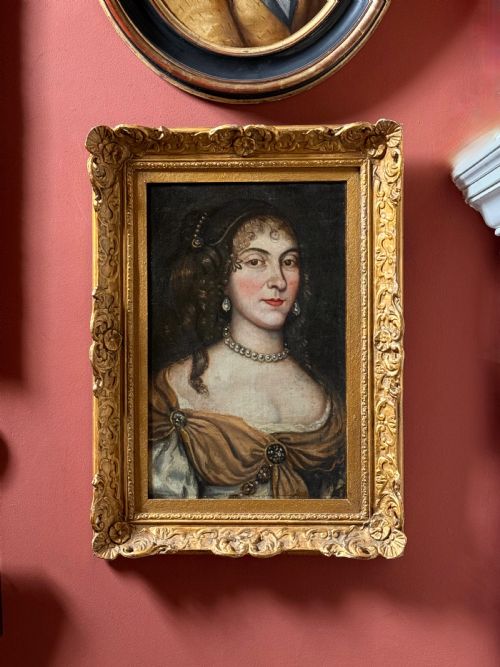
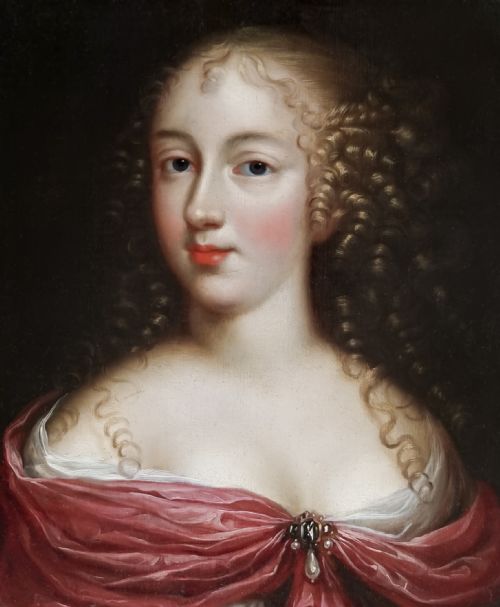
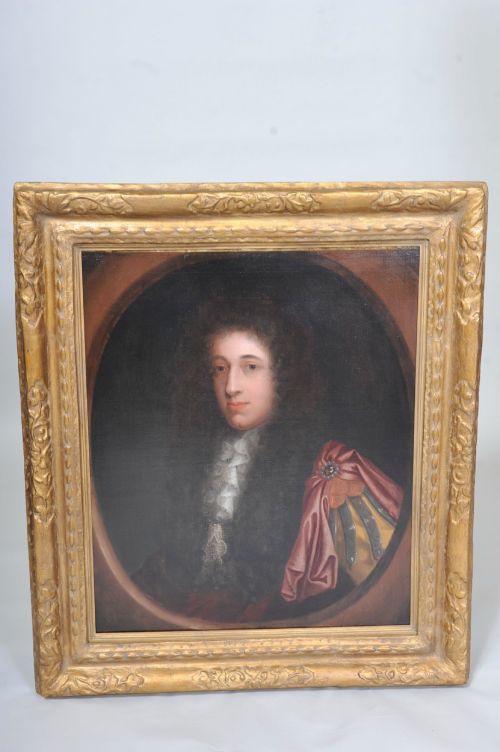
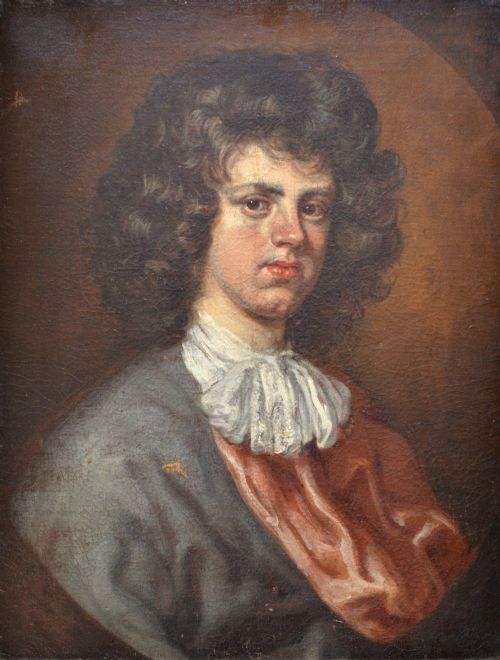
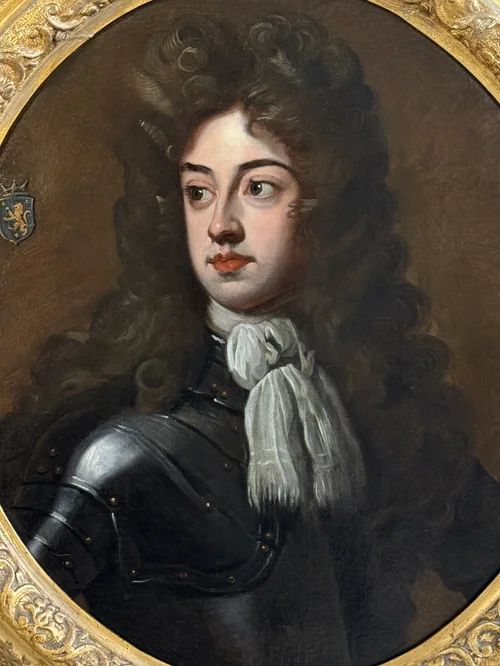
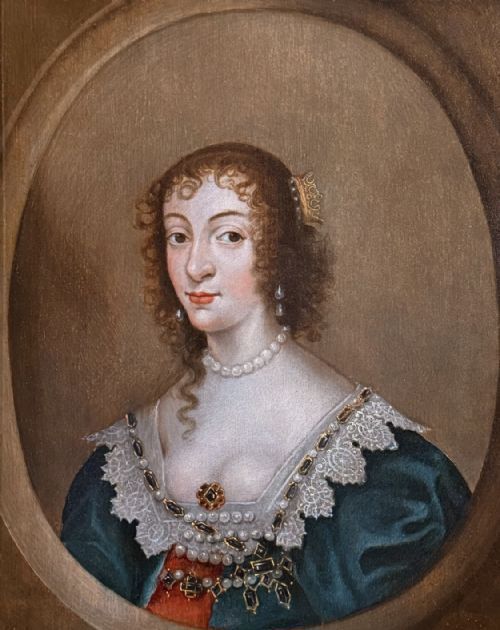
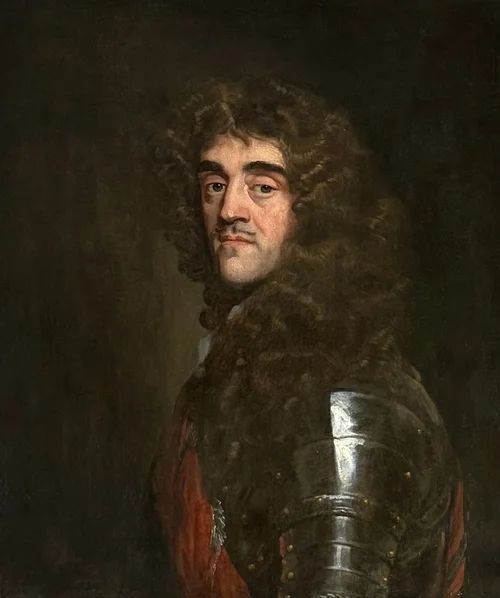
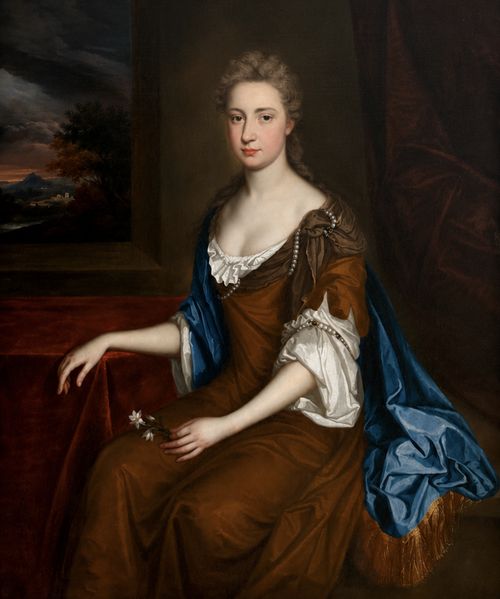
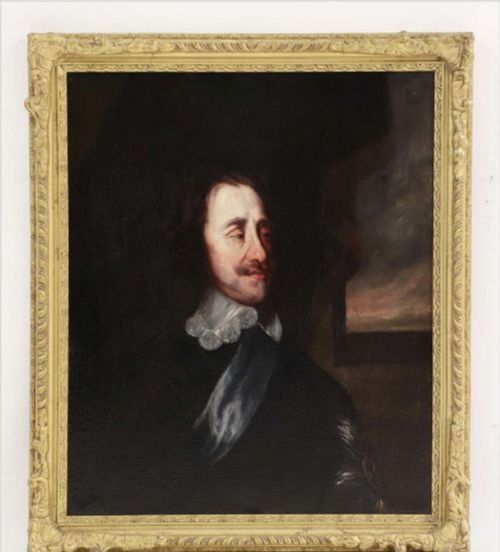
The selection centres primarily on portrait paintings executed in oil on canvas or panel, depicting noblemen, ladies and monarchs from the seventeenth century.
You will also find works created in the nineteenth and eighteenth centuries that replicate these earlier seventeenth-century styles and historical royal subjects.
Alongside oil paintings, the range includes mezzotint prints and framed textile works such as stumpwork panels and beadwork fragments.
Materials and methods
Artists painted using oil on woven canvas or wooden panels, applying layers of pigment to build deep tones for garments and backgrounds.
Makers of textile pieces utilised detailed embroidery techniques, combining stumpwork raised padding with metal thread and silk to render elaborate historical scenes.
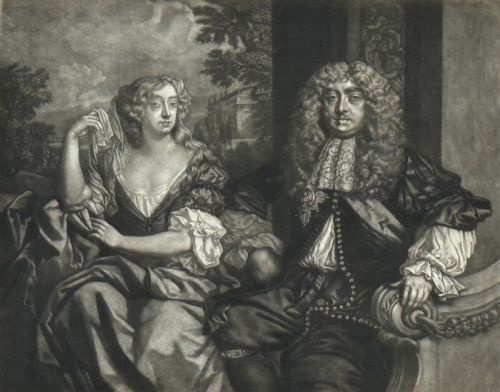
Printers produced works on paper using the mezzotint technique, scraping and roughening copper plates to create graduated tones from dark to light.
Several embroidered panels immortalise King Charles II alongside his favourite mistresses in tiny, raised silk stitches.
Distinctions in execution
Works attributed to established portraitists or their immediate circles display superior handling of light, shadow and posture compared to anonymous school pieces.
Sir Peter Lely·Sir Godfrey Kneller·John Michael Wright·Mary Beale·Cornelius Johnson
The Stuart Period Art Glossary
- Mezzotint
- A printmaking process where the copper plate is roughened uniformly to hold ink, allowing rich tonal variations to be scraped out.
- Stumpwork
- A raised embroidery style popular in the seventeenth century, using padded underlays of wool or felt to give figures a three-dimensional form.
- Panel
- A rigid wooden support used by artists instead of canvas, common in earlier seventeenth-century portraiture.
- Circle of
- A designation indicating an artist worked in the studio or direct influence of a named master during the period.
Stuart Period Art: Frequently Asked Questions
How do I identify a seventeenth-century portrait?
Look closely at the costume details, hair styling and framing techniques typical of the period, such as lace collars, slashed sleeves and dark neutral backgrounds. These stylistic markers help distinguish seventeenth-century portraiture from later copies.
Compare the handling of paint and canvas weave with known examples from the era, keeping in mind that nineteenth-century revivals often mimic these historical motifs.
What is stumpwork embroidery?
Stumpwork is a form of raised embroidery where figures, foliage and pavilions are built over padded wooden moulds or wool foundations to create a high-relief surface. It often depicts royal subjects and biblical scenes.
These textile panels were meticulously stitched by hand using fine silk and metal threads, surviving today within glazed wooden frames.
How should I care for oil paintings on panel?
Keep wooden panel paintings away from direct heat sources and sudden temperature shifts, which cause the wood to expand and contract. Stable indoor conditions prevent the paint layer from cracking.
Dust the surface gently with a dry, soft brush and avoid using liquid cleaners or abrasive cloths on the painted canvas or giltwood frames.
What is a mezzotint print?
A mezzotint is an intaglio printmaking method where the engraver works from dark to light by roughening a copper plate with a rocker. This technique produces velvety blacks and smooth tonal gradations.
Printmakers used this method to reproduce popular painted portraits of nobility and military commanders for broader distribution during the period.