

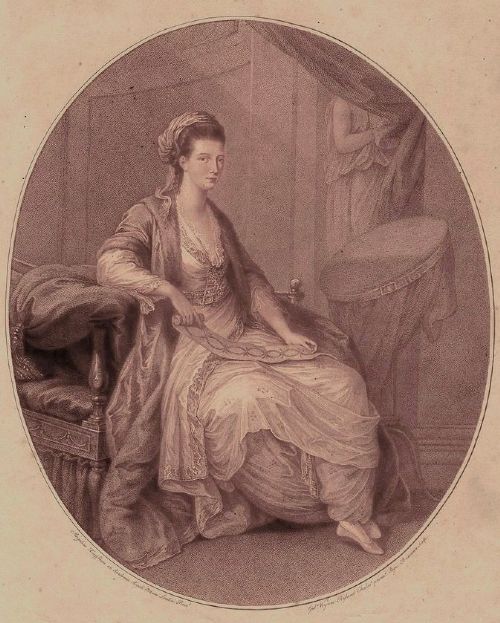
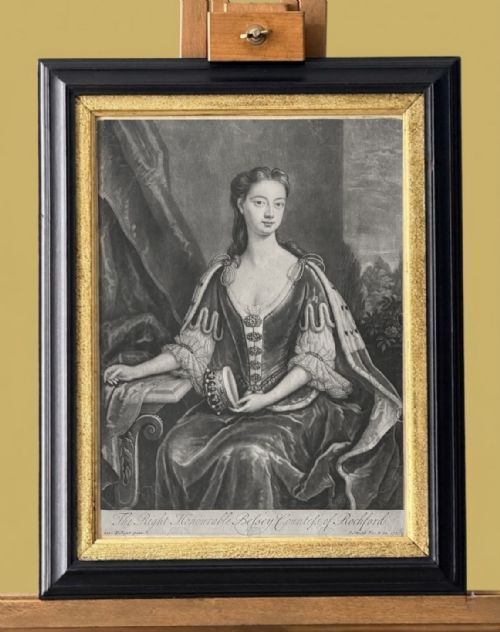
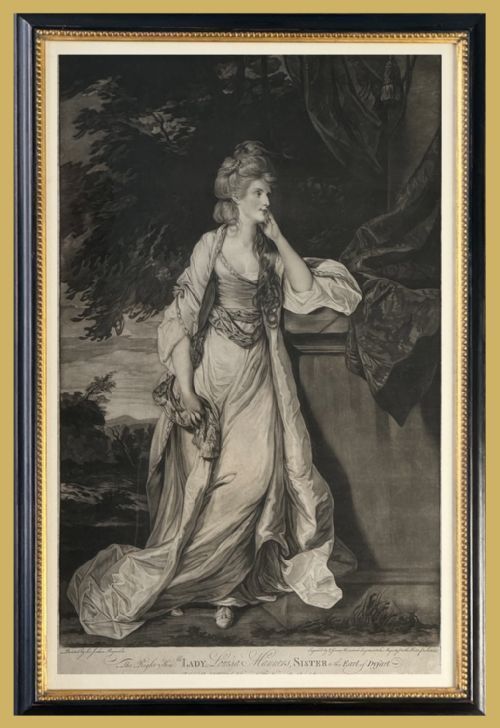
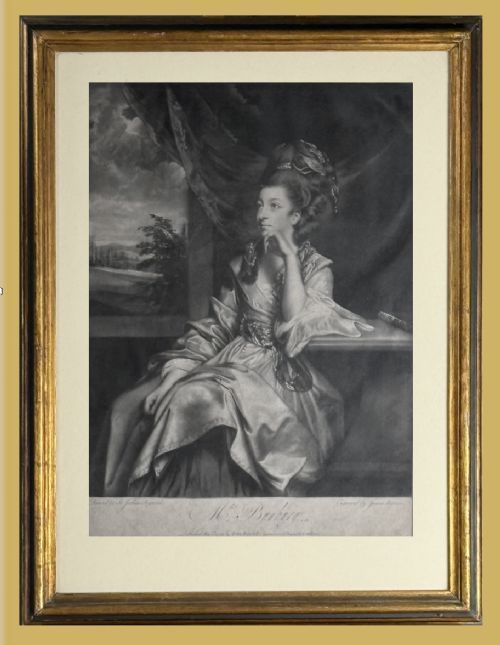
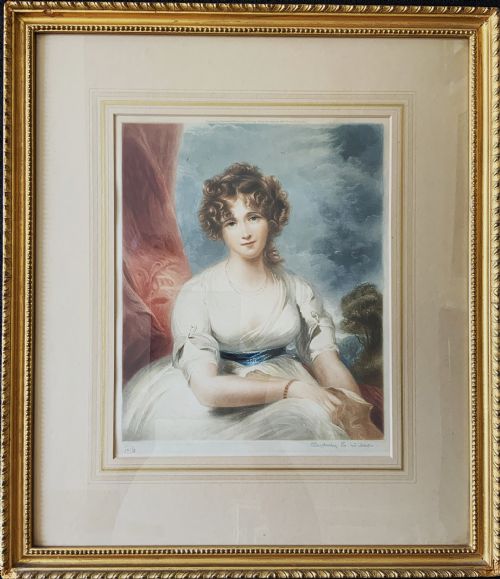
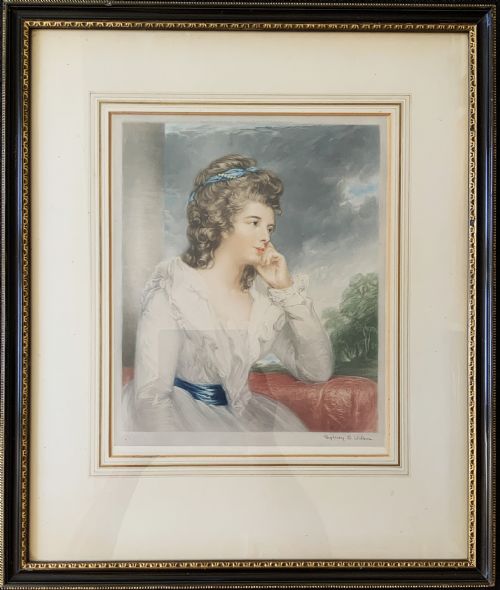


Engraved Female Portrait
An engraved female portrait brings the stately elegance of past centuries directly onto a wall, offering timeless character through fine historic printmaking.
Engraved Female Portrait
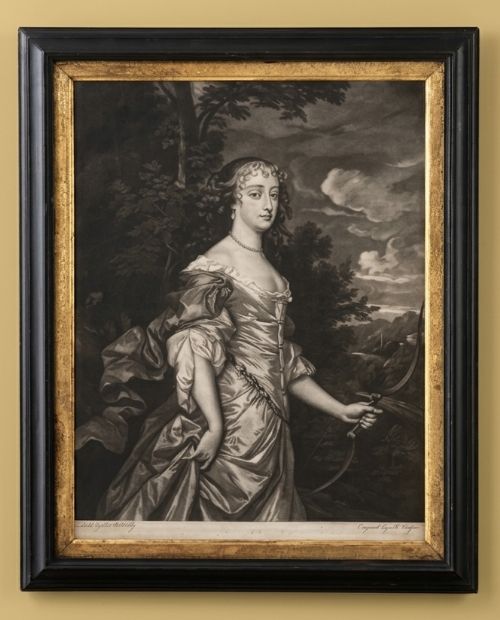
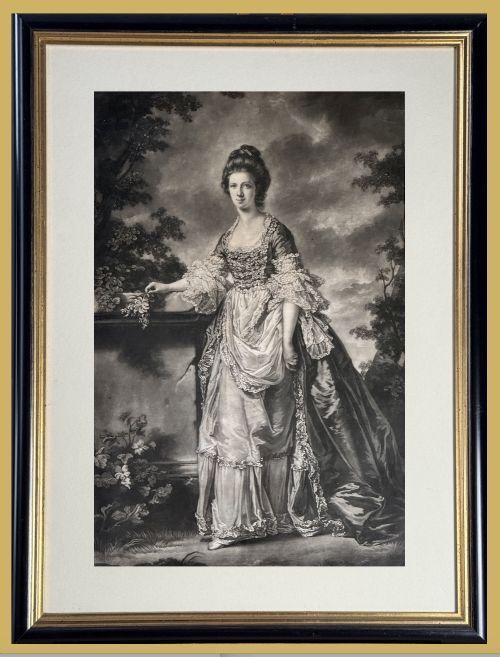
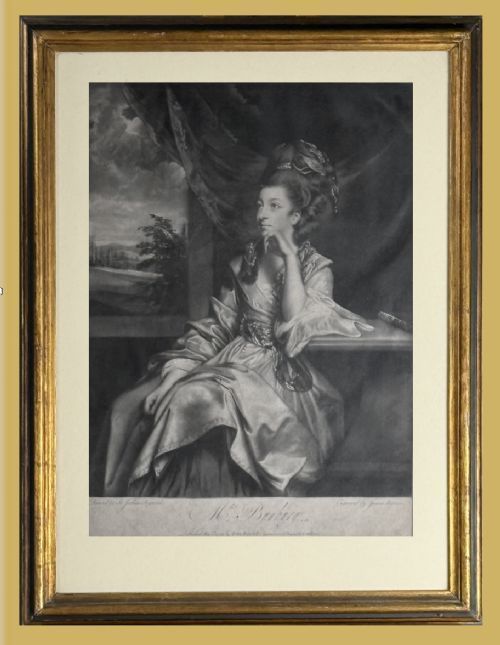
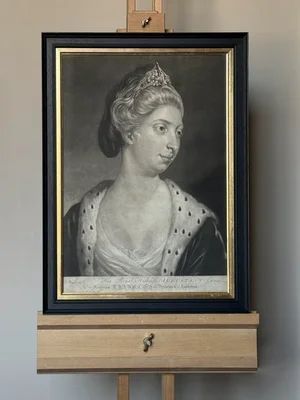
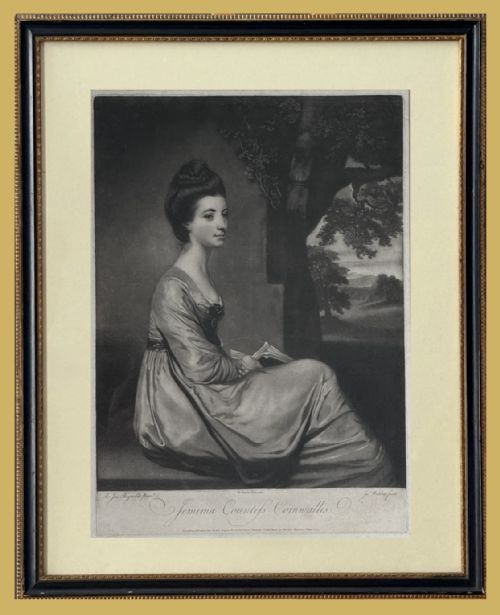
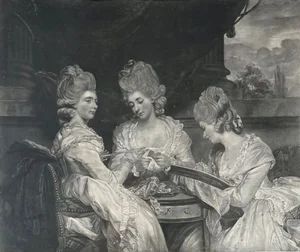
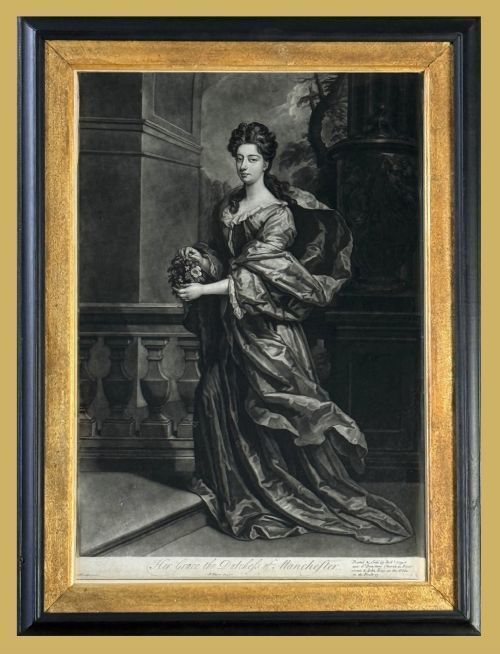
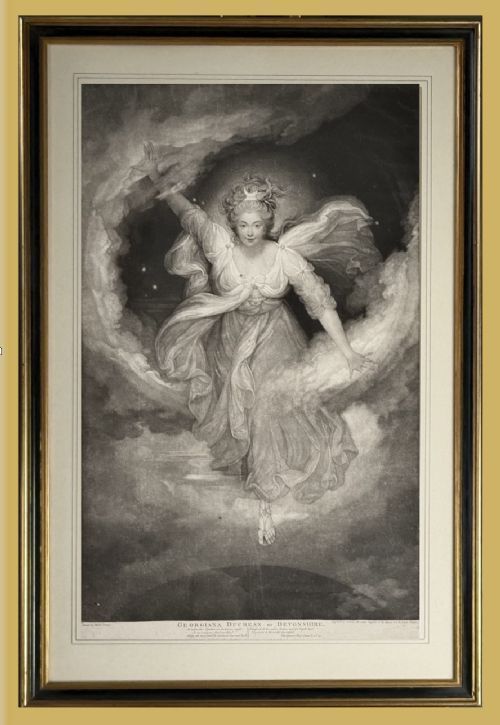
An engraved female portrait captures aristocratic ladies, duchesses and historical figures through detailed printmaking. These works primarily emerge from the eighteenth and nineteenth centuries, spanning Georgian, Victorian and Regency periods.
Framed prints and mezzotints dominate the selection, often housed in traditional wooden or giltwood frames. Buyers typically encounter striking depictions of notable historical women rendered on paper or glass.
Materials and methods
Printmakers utilised specialised metal plates and rich ink on paper to produce deep, tonal mezzotints and line engravings. Hand-colouring sometimes added subtle hues to these monochrome prints after initial impression.
Frames incorporate timber, gold leaf and gilt wood to complement the paper artworks. Reverse glass techniques also appear, fixing the image directly beneath a glass panel.
Engraved Female Portrait Retail Price Guide 2026
Typical asking prices for engraved female portrait among the pieces listed under this phrase on Sellingantiques today, from the lower quarter to the upper quarter. They describe what is for sale here now, not the wider market.
Listings feature paper, glass, wood, and gold leaf across eighteenth and nineteenth-century styles.
Assessing quality
The clarity of the impression and the crispness of the plate marks distinguish finer examples from worn strikes. Strong contrast and rich black tones in a mezzotint indicate a superior early impression.
The originality and condition of the period framing, such as Hogarth mouldings or giltwood surrounds, influence the integrity of the piece. Well-preserved paper free from excessive toning reflects careful preservation over centuries.
James Watson·Valentine Green·John Smith·John Faber Jr·Sydney Wilson
The Engraved Female Portrait Glossary
- Mezzotint
- A printmaking process where the copper plate is roughened to produce rich dark tones and subtle gradations of light. This technique allows for remarkably soft and painterly portraits.
- Artist proof
- An impression printed before the formal edition is finalized, typically retained by the printmaker. These often carry signatures and are valued for their early clarity.
- Giltwood
- Timber carved and coated with a thin layer of gold leaf or metallic powder. It provides a luminous decorative border common in period framing.
- Reverse glass print
- An image applied directly to the underside of a glass sheet, often sealed for protection. This method creates a glossy surface finish distinct from standard paper.
Engraved Female Portrait: Frequently Asked Questions
What is an engraved female portrait?
These works are historic printed depictions of notable women, ranging from Duchesses to literary figures, produced using traditional intaglio print techniques. They capture the likeness and status of subjects from past eras.
Most examples date from the eighteenth and nineteenth centuries, reflecting the artistic styles of the Georgian, Regency, and Victorian periods.
How were these portraits displayed originally?
Period portraits were framed in timber or giltwood mouldings to adorn the walls of grand drawing rooms and private libraries. They served as both decorative art and displays of lineage or admiration.
Today, they function similarly in domestic interiors, adding historic depth and classical balance to modern wall arrangements.
How do I care for a paper engraving?
Paper works require protection from direct sunlight to prevent fading of the ink and yellowing of the sheet. Maintaining stable indoor humidity prevents foxing and paper degradation.
Glazing helps shield the delicate surface from dust and atmospheric pollutants while it hangs on the wall.
How can I tell a mezzotint from a standard engraving?
A mezzotint relies on rich velvety dark areas and smooth tonal transitions rather than fine etched lines. This gives the portrait a softer, more atmospheric quality akin to an oil painting.
Standard engravings use networks of lines and cross-hatching to build up shadows and form.